
Classification of shipping containers
There are more than 70 different modifications for the division of shipping containers. Shipping containers are an essential element of the modern transportation industry. Their versatility and standardization have enabled global trade and logistics on a level that was only dreamed of a few decades ago. But what is their basic typological division, and why are different types of containers produced? And what about all those abbreviations that are used in connection with containers?
Basic Division of Shipping Containers
There are several main categories of shipping containers, which differ in their construction and intended use. The most common types include:
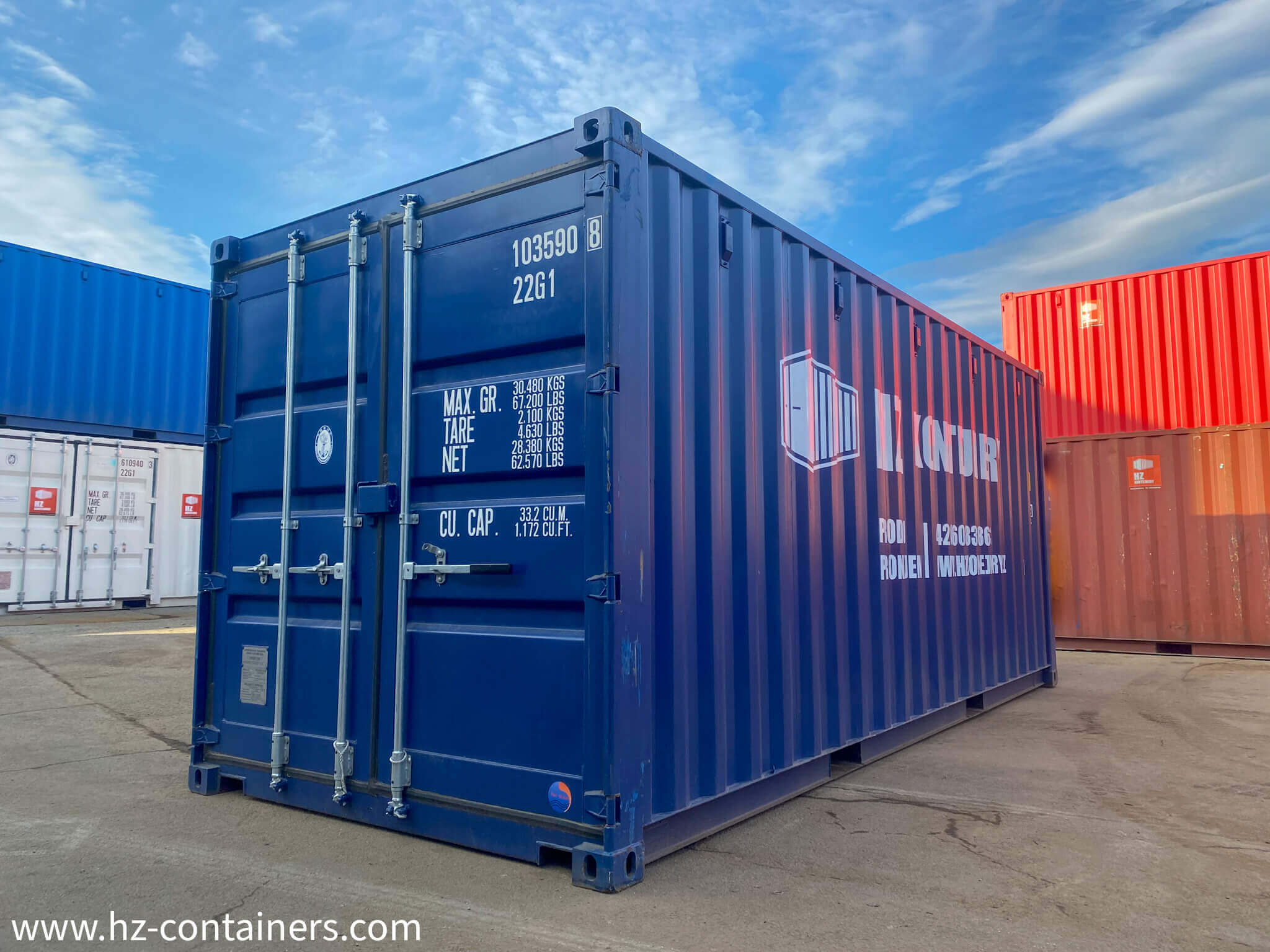 | 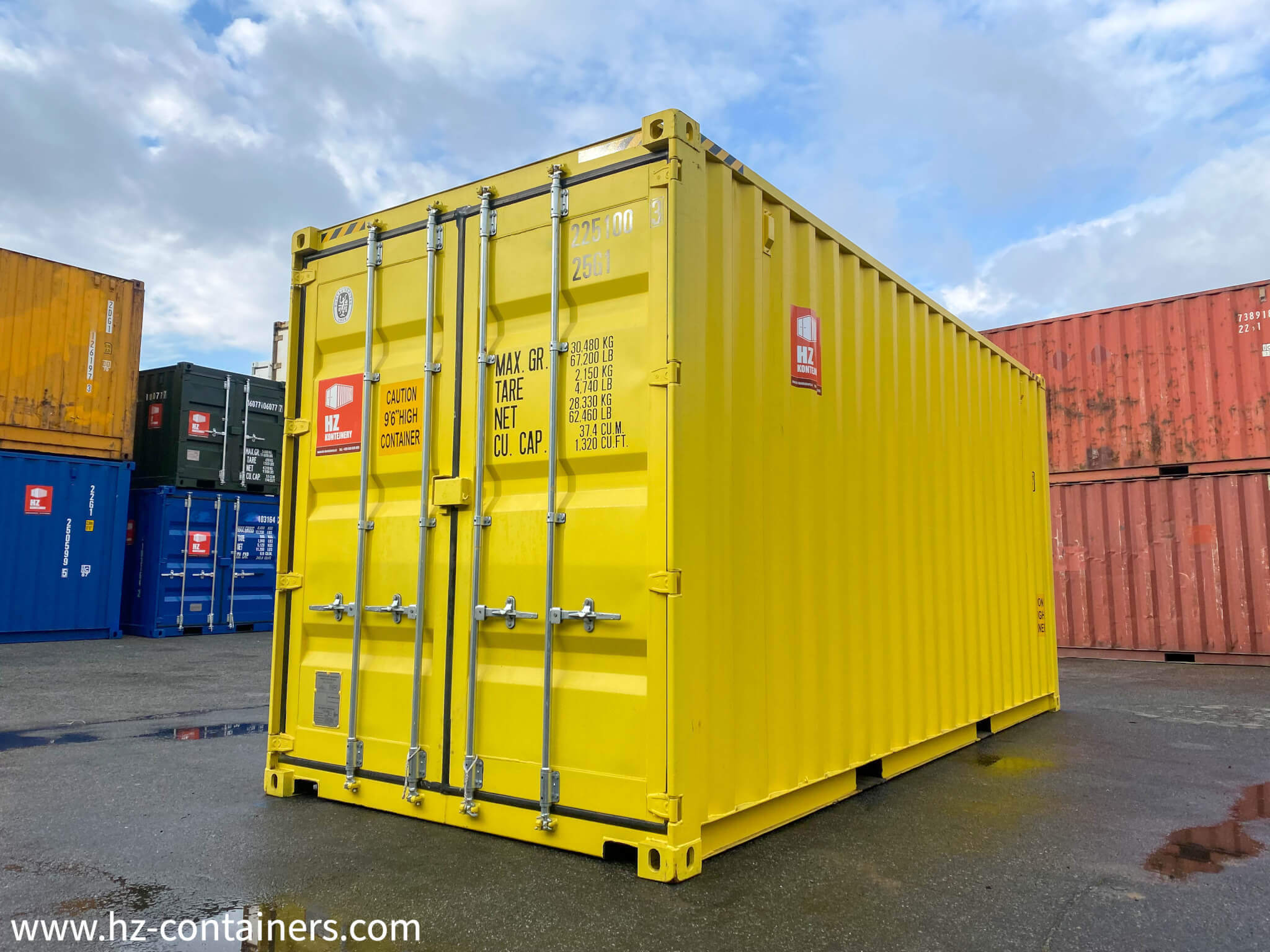 | 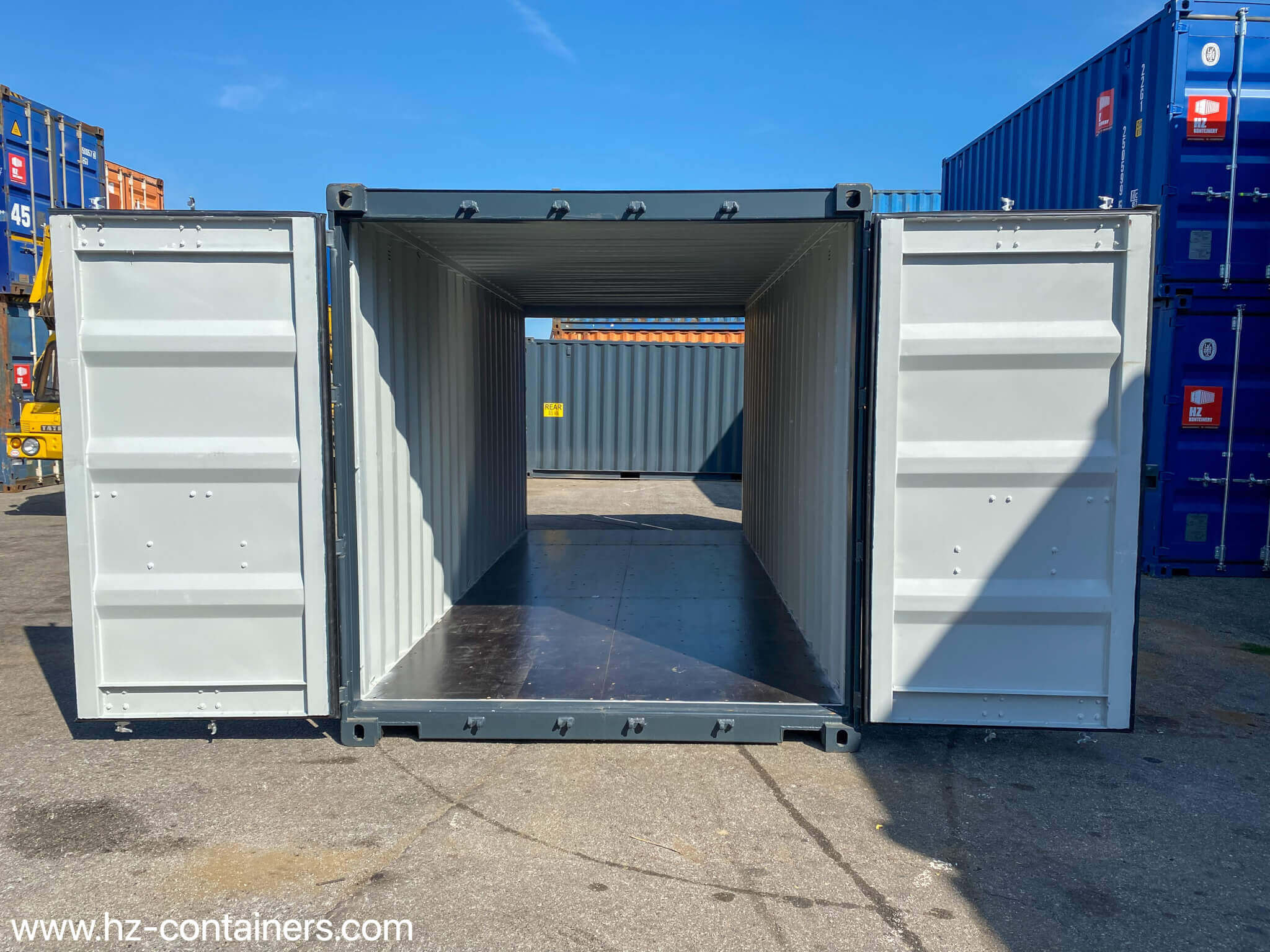 |  |  |  |
| STORAGE CONTAINER | HIGH CUBE CONTAINER | DOUBLE DOOR CONTAINER | PALLET WIDE CONTAINER | SIDE DOOR CONTAINER | OPEN TOP CONTAINER |
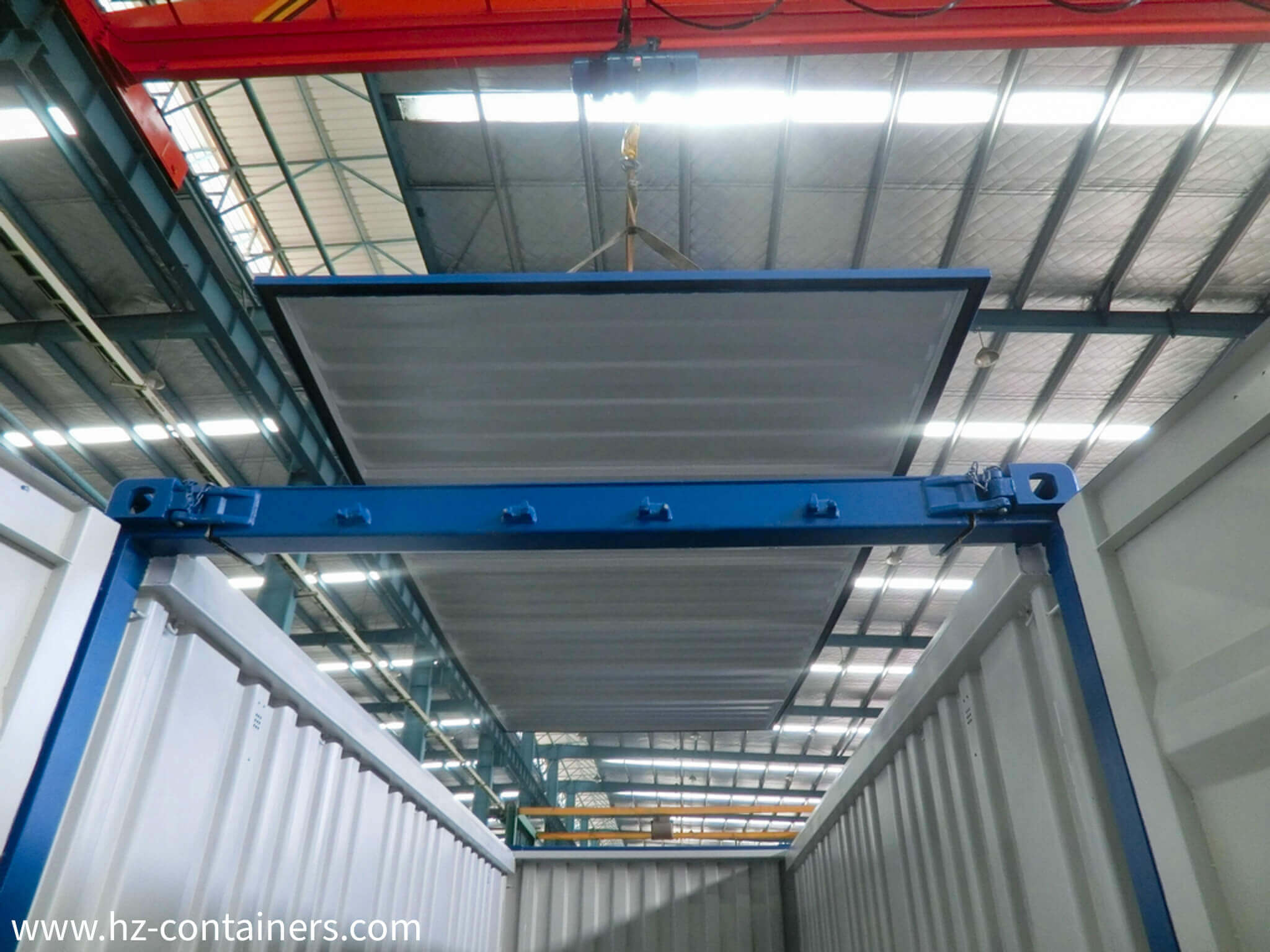


Please select the type of shipping container you are interested in. After clicking on a specific type of image, a detailed offer of possible sizes and dimensions of shipping containers will appear. In addition to the listed options, there are many special modifications and dimensional variants usually made for specific purposes.
TRANSPORT CONTAINERS FOR SALE – COMPLETE OFFER HERE
1. Dry Storage Containers – Dry Storage Container
Dry storage containers, also known simply as “dry containers,” are the most common and widely used type of containers in the transport industry. They are designed for the transportation and storage of dry goods without temperature control. They are most often made in lengths of 20 feet, 40 feet, and 45 feet. These containers are ideal for transporting a wide range of goods that do not require specific temperature conditions.
They can be further divided into two popular variants:
- double door container – which has doors on both shorter sides of the container for better access to the cargo
- side door container – similar to the previous type, this container also has multiple doors on one or more sides (particularly suitable for heavy cargo)
2. High Cube Container – HC
High Cube (HC) containers are similar to dry storage containers but have greater height. The standard height of a container is 8.5 feet, while High Cube containers have a height of 9.5 feet. This greater height is beneficial for transporting bulkier goods or for situations where the container is used as storage space with a higher clear height, such as when building garages or homes from shipping containers.
3. Pallet Wide Container – PW
Pallet Wide containers, abbreviated as PW, have wider internal dimensions that allow for two euro pallets to be placed side by side. The standard width of containers is 2.438 meters, while Pallet Wide containers have a width of 2.462 meters. This type of container is ideal for transporting goods on euro pallets, which increases the efficiency of loading and unloading.
4. Open Top Container OT – Hard Top Container – HT
Open Top containers have a removable roof, allowing for easy loading and unloading of goods from above. This type of container is suitable for transporting oversized goods that cannot easily be loaded through the doors at the end of the container.
5. Reefer Container – Refrigerated and Freezing Container – RF
Reefer containers are equipped with a cooling system that allows for temperature control inside the container. This type of container is essential for transporting food, medicines, and other goods that require specific temperature conditions during transport.
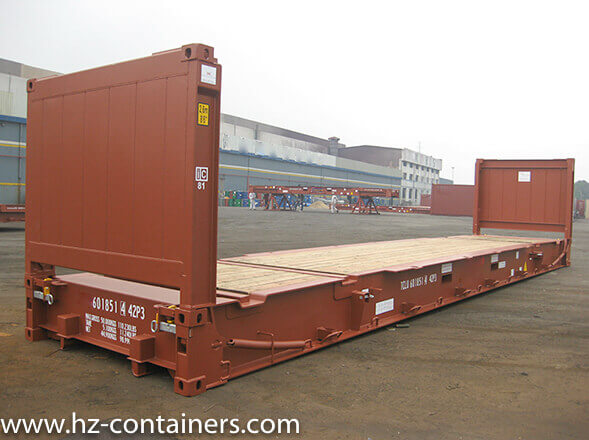
6. Flat Rack Container – FR
Flat Rack containers have open sides and ends, allowing for the transportation of oversized and heavy goods that cannot be loaded into a standard container. These containers are ideal for transporting machinery, vehicles, and construction materials.
7. Special Containers and Tanks
These may include special containers made to order, variously modified containers, or containers for specific purposes – such as tanks for transporting liquid materials.
Comparison of Basic Sizes of Shipping Containers and High Cube

How to understand commonly used abbreviations?
When working with containers, you will often encounter abbreviations that facilitate communication and the identification of various types of containers. Here are some of the most common abbreviations and their meanings:
- TEU (Twenty-foot Equivalent Unit) – A unit equivalent to a twenty-foot container. It is used to measure the capacity of shipping vessels and ports.
- HC (High Cube) – A container with a greater height than standard containers.
- PW (Pallet Wide) – A container with a width that allows two euro pallets to be placed side by side.
- OT (Open Top) – A container with a removable roof for easy loading from above.
- RF (Reefer) – A refrigerated container with temperature control capabilities.
Knowing what these abbreviations mean will help you better navigate the world of shipping containers and choose the right type for your needs. Below is a detailed table of all the most commonly used abbreviations for shipping containers, which will help you with the sizes and dimensions listed.
Abbreviations used for shipping containers
| ABBREVIATION NAME | EXPLANATION | EXAMPLE | ||||||||
| size’ | size = length in feet (1ft = equivalent to 0.3048m) | 20’= 20-foot container (20 x 0.3048m = container size is 6.096m) | ||||||||
| HC | high cube = higher by approximately 30cm | The height of a standard 20′ shipping container is approximately 2.59 meters (8 feet 6 inches). A 20′ HC container (High Cube) has a higher height and is approximately 2.89 meters (9 feet 6 inches). So, the height difference between a standard 20′ container and a 20′ HC container is 0.3 meters (1 foot). | ||||||||
| LC | low cube = lower height by approximately 15cm | The low cube container has the same length but is lower. Instead of a height of 8.5 feet, the low cube container is only 8 feet (2.438 meters). This lower height offers an advantage when transporting goods that exceed the standard height restriction or that are less bulky and do not require the full height of a standard container. | ||||||||
| DD | double door = double doors | A container labeled DD has two doors on the narrower side of the container (i.e., typically front and back) | ||||||||
| PW | pallet wide = internal width approximately 9cm (3 inches) larger, allowing two European pallets to be placed side by side on the longer side | The Pallet Wide (PW) container is a special type designed to accommodate two European pallets side by side. A standard 20′ container has an internal width of approximately 2.35 meters (7 feet 8 inches). On the other hand, a 20′ PW container has a larger internal width, reaching approximately 2.44 meters (8 feet). The difference between a 20′ and a 20’PW container lies in their internal width, where the 20’PW container provides more space for placing pallets side by side. This is particularly useful when transporting goods on European pallets. | ||||||||
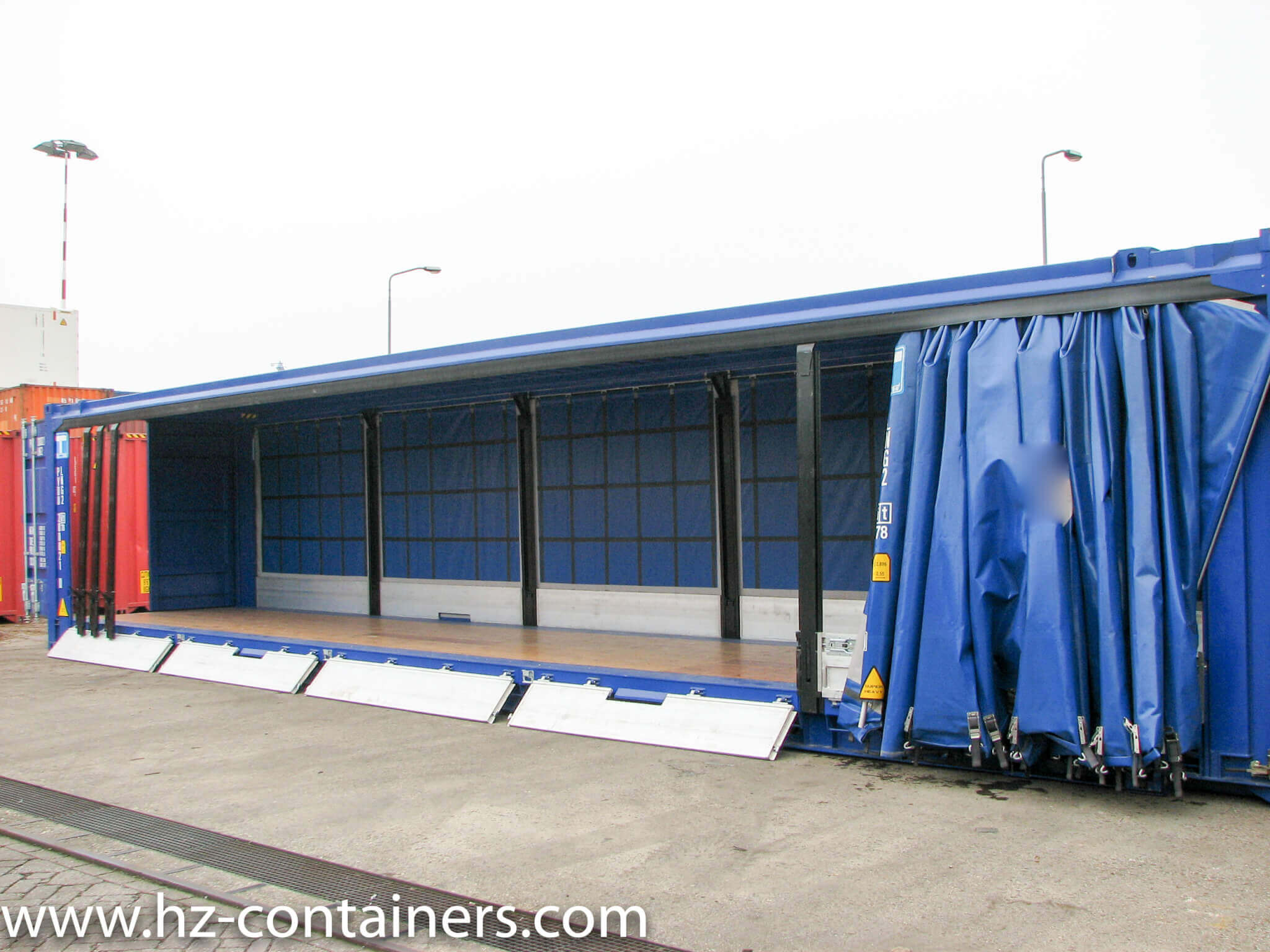
| SD (OS) | side door = side doors on the wider side of the container open side = side opening | If there are side-opening doors, it is typically labeled as “SD”. These containers are sometimes also referred to as “open side” – meaning side opening. | ||||||||
| Double SD | double side door = side-opening doors on both wider sides of the container | Double side doors – that is, “double side door” which are operable from both wider sides of the container | ||||||||
| OT | open top = open roof | open roof with tarpaulin covering | ||||||||
| HT | hard top = removable hard roof | same type as open top container, except that the roof is solid | ||||||||
| FR | flat rack = open container with side walls | Used for loading oversized goods from the sides. | ||||||||
| RF | reefer container = refrigerated or cooling container | Refrigerated or cooling container. | ||||||||
| TANK | tank = tank | Tank container for storing mostly liquid goods. | ||||||||
| SPECIAL | special = special types of containers | Standardly modifications on request. | ||||||||
| Fold | fold = foldable from all 4 sides | Foldable from all sides. | ||||||||
| Camouflage | camouflage = it is a camouflage color scheme for the container | This camouflage for shipping containers is usually done on request. The client can specify the specific colors. | ||||||||
| DT | drip tray = container with an additional tank for leaks of hazardous substances being transported | Drip tray containers have a fixed or separate tank located underneath the container and are used to capture and collect leaks, such as hazardous chemicals transported in the container. This tank serves to protect the environment and prevent contamination. | ||||||||
| Isolated | Isolated = isolated shipping container | Isolated shipping container | ||||||||
| Tridoor | tridoor = container equipped with three doors or entrances | It usually means that the container has one standard narrower opening side + on the other narrow side there are so-called additional smaller doors | ||||||||
| SF | steel floor = steel floor | Steel floor instead of the standard one | ||||||||
| Half heigh | Half heigh = refers to about half the height of a standard container | Container only about 4.25 feet high (1.29 meters) | ||||||||
| Including modifications | Including modifications = including modifications | Basically, this refers to a container of a selected type that has been modified, such as additional doors, windows, garage doors, etc. | ||||||||
| Full side | full side = openable from all sides | The container is completely openable from all 4 sides. | ||||||||
| Bulk | bulk = high-volume container | Containers for bulk cargo which have three loading hatches in the roof, each approximately 455 mm in diameter. The distance between the hatches (center to center) is 1.83 m. On the door side, there are two unloading hatches, sometimes equipped with short unloading tubes for guiding bulk cargo. | ||||||||
| GP | GP = general purpose | The GP designation is commonly used for standard shipping containers designed for general use and transporting various types of cargo. These containers have standard dimensions and are not equipped with special features or properties. GP containers are the most common type and are suitable for transporting most types of cargo. | ||||||||
Why are different types of containers produced?
Different types of containers are designed to meet the specific needs of transporting various types of goods. For example:
- Dry containers are ideal for the general transport of dry goods.
- High Cube containers provide more space for bulky goods.
- Pallet Wide containers increase efficiency when transporting goods on euro pallets.
- Reefer containers are essential for transporting goods requiring controlled temperature.
- Flat Rack containers allow for the transport of oversized and heavy goods.
Different types of containers ensure that goods can be transported as efficiently and safely as possible, minimizing costs and the risk of damage.
Shipping containers are a key element of global trade and logistics. Different types of containers allow for the efficient and safe transport of a wide range of goods. Understanding the basic types of containers and their specifics, as well as commonly used abbreviations, will help you navigate this important industry more effectively.