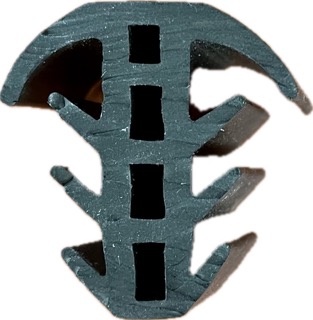
Rubber for Shipping Container Doors – How Many Meters and What Type?
Sealing rubber for shipping containers is a special type of rubber seal designed to ensure water-tightness, air-tightness, and protection against external influences. This element is a key component of shipping container doors, which are exposed to harsh conditions during transport or storage. Sealing rubber is made from durable materials, such as EPDM (Ethylene Propylene Diene Monomer), which is characterized by exceptional resistance to UV radiation, temperature fluctuations, moisture, and chemicals.

Purpose of Sealing Rubber
- Cargo Protection: Prevents water, air, dust, and pests from entering the container and protects the contents from damage.
- Temperature Regulation: In refrigerated containers, it helps maintain consistent temperature and prevents heat loss.
- Increased Durability: Sealing ensures structural stability of the container by securely sealing the doors.
- Extends Service Life: Using sealing rubbers reduces the risk of corrosion and wear of door structures.
What Types of Sealing Rubbers Exist?
Door seals for shipping containers differ in design, application, and material. The most common types include:
1. J-Type Sealing Rubber
- Specially designed for container door corners.
- Provides secure sealing at critical points where corners meet.
- Highly flexible and resistant to mechanical wear.
2. Strip Sealing
- Flat or profiled strips installed along the entire length of the door.
- Ideal for standard containers requiring simple sealing solutions.
3. Corner Sealing
- Special rubber designed to seal door corners where increased pressure or movement occurs.
- Usually used in combination with other sealing types to achieve optimal performance.

4. EPDM Sealing
- Made from EPDM material, offering excellent resistance to weather conditions, UV radiation, and chemicals.
- Universal choice for containers used in extreme climatic conditions.
5. Sealing with Adhesive Layer
- These seals have an adhesive layer for easy installation, eliminating the need for additional fastening elements.
- Suitable for temporary repairs or quick replacements.
How Many Meters of Sealing Rubber Are Needed for One Pair of Shipping Container Doors?
The required length of sealing rubber depends on the type and size of the container. Standard containers have doors with a perimeter requiring approximately:
| Container Type | Approximate Length | Composition |
|---|---|---|
| 20′ container (standard height 2.6 m) | Approximately 12 meters | 2.5 m type C and 9.5 m type J. Type C is only on the lower part of the container! |
| 20’HC container (HC, height 2.9 m) | Approximately 13 meters | 2.5 m type C and 10.5 m type J. Type C is only on the lower part of the container! |
For special containers, such as High Cube containers or custom-made containers, more material may be needed due to larger door dimensions.
Calculating Sealing Length for a 20′ Container
- Measure the door perimeter: Container doors are typically rectangular, so you need to know the height and width. For example:
- Door height: 2.28 m
- Door width: 2.34 m
- Perimeter: (2.34 × 2) + (2.28 × 3) = 11.52 m
- Account for overlaps and joints: It is recommended to add 5–10% extra for overlaps and potential repairs.
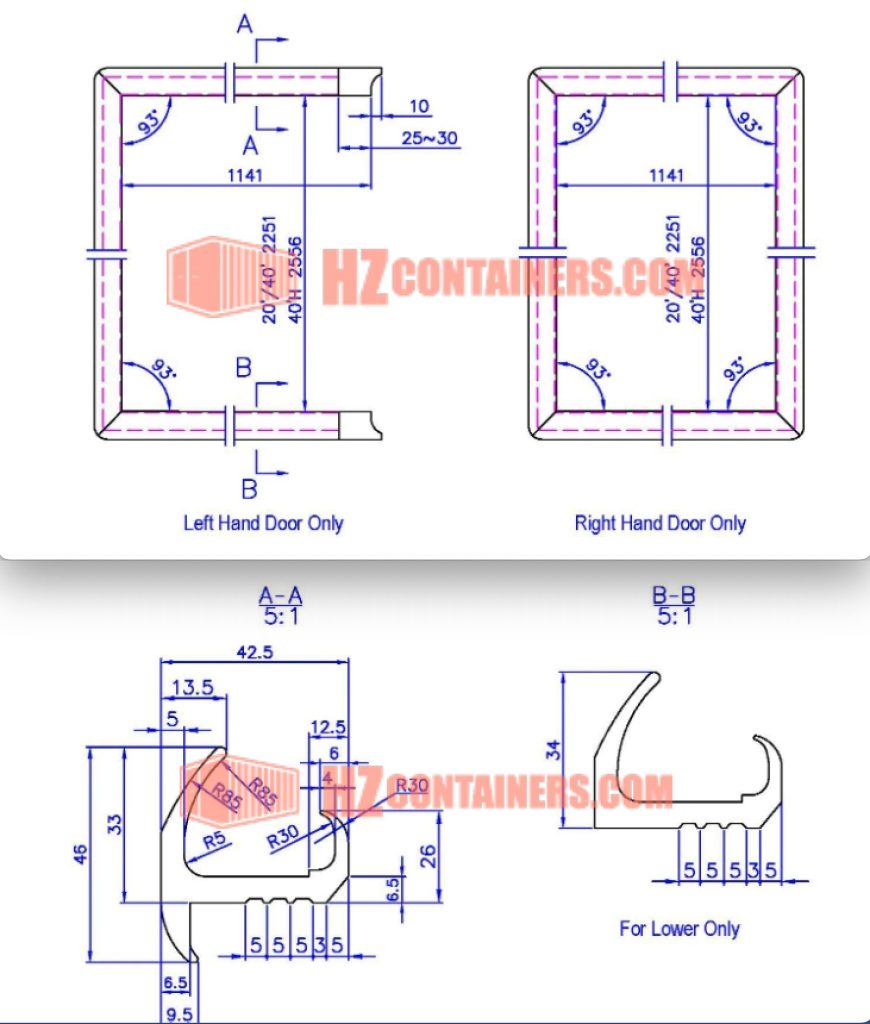
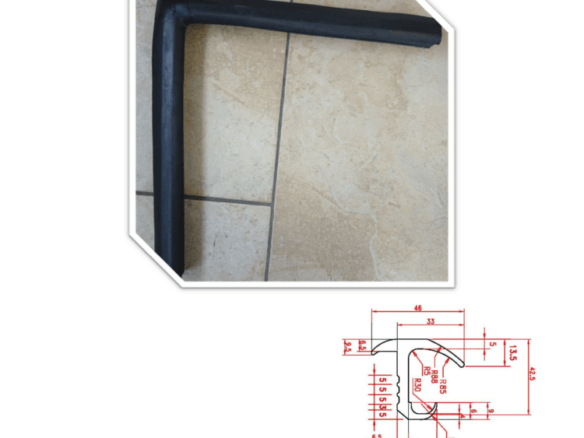
Verify all information regarding the required quantity according to reality directly from your container! It may vary slightly depending on the container manufacturer!
Why Is It Important to Use Quality Sealing Rubber?

- Safety and Durability: Quality sealing protects cargo from external influences such as water, dust, or pests.
- Standardization and Certification: Sealing rubbers meeting ISO standards guarantee compatibility with various types of shipping containers.
- Environmental Impact: Durable materials such as EPDM have a long service life, reducing the need for frequent replacement.
How to Install Sealing Rubber on Shipping Container Doors
- Surface Preparation:
- Clean door edges of dust, grease, and remnants of old seals.
- Use appropriate cleaning agents such as Multi Cleaner or seal removers.
- Measurement and Cutting:
- Measure the required length of sealing rubber and add 5–10% for overlaps.
- Use sharp tools such as a utility knife or scissors for precise cutting.
- Application:
- For seals with adhesive layer, peel off the protective layer and press the seal into place.
- For non-adhesive seals, use appropriate adhesive such as Rubber Profile Glue to secure them.
- Inspection:
- After installation, check that the seal is evenly attached and does not extend beyond the door edges.

Maintenance and Replacement of Sealing Rubbers
- Regular Inspections: Perform at least annual inspections of seals for cracks, wear, or loss of elasticity.
- Cleaning: Use gentle cleaning agents that will not damage the seal surface.
- Replacement: Replace damaged or non-functional seals with new ones to ensure proper sealing.
How to Select the Right Sealing Rubber?
Selection Criteria:
- Container Type: Dimensions and specifications differ between standard, High Cube, or special containers.
- Material: Choose EPDM rubber for its long service life and resistance to external influences.
- Certification: Ensure the rubber meets ISO standards.
- Compatibility: Choose sealing compatible with your container door type.
Sealing rubbers for shipping container doors are essential for ensuring cargo safety and integrity. Proper selection of rubber type, correct installation, and regular maintenance can significantly extend the service life of the container and minimize risks to transported goods. For one door of a standard container, you typically need 12–16 meters of sealing rubber, depending on the size and type of seal. Always choose quality and certified materials to achieve the best results.
 Czech Republic
  WITHOUT SHIPPING