Noise of Reefer Shipping Containers
What is the Noise of Reefer Shipping Containers?
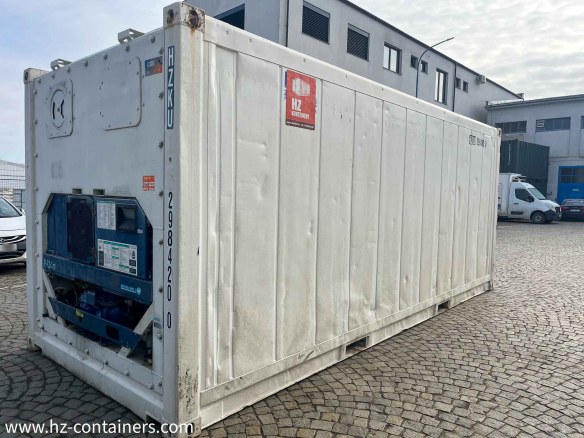
Noise of refrigerated shipping containers refers to the level of noise produced by refrigerated shipping containers, also known as “reefer containers”. These specialized containers are equipped with cooling units that maintain a specific temperature range for transporting perishable goods, such as food, medicines, and chemicals. During operation, however, these units create various noise levels, which can cause problems in residential, industrial, or transport zones.
Refrigerated Containers (Reefer Containers)
What are Refrigerated Containers?
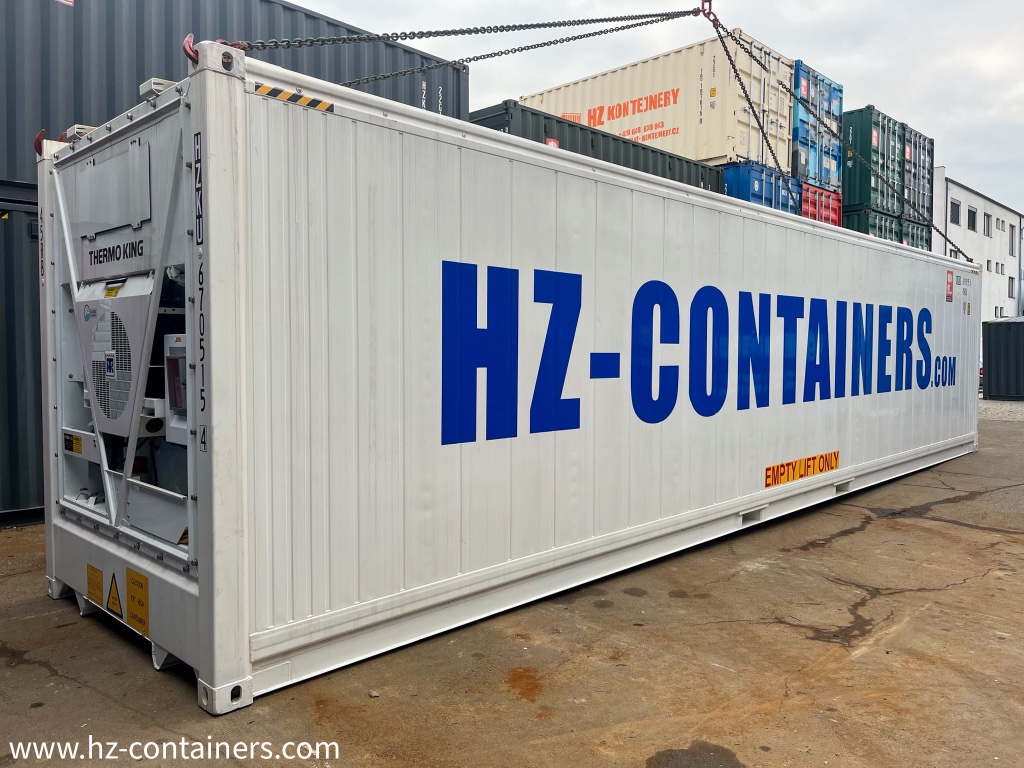
Refrigerated containers, or reefrs, are shipping containers designed for transporting goods at controlled temperatures. They use cooling units powered by electricity or diesel generators to maintain temperatures between -40 °C and +40 °C depending on the cargo. These containers are widely used in industries such as food, pharmaceuticals, agriculture, and logistics. Insulation, usually made of polyurethane foam, helps maintain temperature and reduce noise transmission.
What Causes Noise in Reefer Containers?
The main source of noise in reefer containers is the cooling unit. Components such as the compressor, evaporator fan, and condenser fan work together to regulate temperature, and their mechanical operation creates sound. The noise level can vary depending on the design, manufacturer, and operating settings. Furthermore, the environment in which the container operates, such as urban or industrial areas, can amplify the perceived noise.
Noise Levels of Reefer Containers
How Loud are Reefer Containers?
Noise levels of refrigerated containers typically range between 62 dB and 78 dB at a distance of one meter from the container, which corresponds to normal conversation or vacuum cleaner noise. Measurements show that some units, depending on their design and condition, can oscillate between 62–72 dB.
Factors affecting noise levels include:
- Cooling Intensity: Higher cooling demands, especially during hot weather, lead to noisier operation.
- Cooling Unit Model and Manufacturer: Premium brands such as Thermo King, Carrier Transicold, and Daikin often offer quieter units.
- Maintenance: Poorly maintained units can produce additional noise due to vibrations or worn components.
- Insulation Quality: High-quality insulation materials contribute to reducing noise emissions.
Key Components Contributing to Noise
Cooling Unit
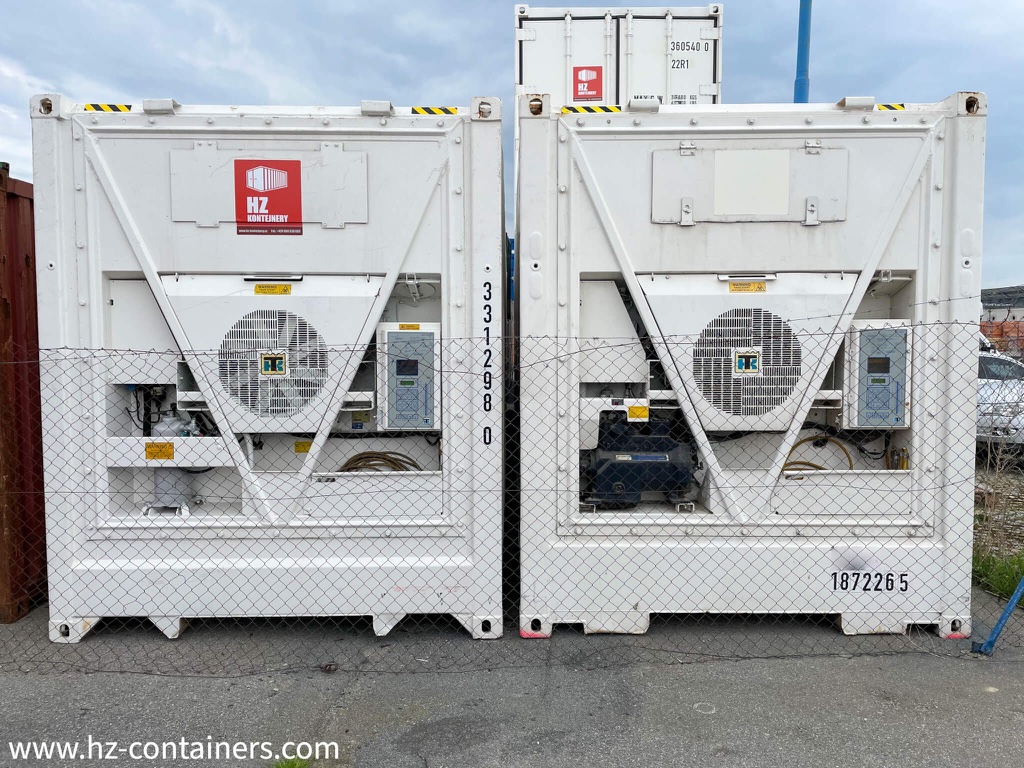
The cooling unit is the main source of noise. It consists of:
- Compressor: Creates pressure for refrigerant circulation and generates noise during operation.
- Evaporator Fan: Distributes cold air evenly in the container and produces mechanical noise.
- Condenser Fan: Removes excess heat from the cooling cycle and contributes to overall noise.
Insulation
Reefrs use polyurethane foam insulation 10–12 cm thick, which maintains temperature and reduces noise transmission. The density and thickness of insulation along with materials such as stainless steel or aluminum cladding affect the container’s ability to dampen noise.
Construction Materials
Construction materials, including aluminum or stainless steel for the floor, walls, and roof, can amplify or dampen noise depending on their integrity and design. Corrugated panels and foam-filled cavities contribute to improved thermal and acoustic performance.
Noise Regulations and Standards
Are There Regulations for Refrigerated Container Noise?
Yes, noise regulations vary by region and use. Key guidelines include:
- ISO Standards (ISO 1496/2): Specify requirements for thermal containers, including noise levels.
- EU Noise Directive (Directive 2002/49/EC): Introduces noise mapping and noise reduction strategies in urban areas, including ports.
- Local Noise Ordinances: Cities establish noise limits, particularly during night operations near residential areas.
Why is Noise Reduction Important?
- Community Impact: Excessive noise can disturb residents, especially in urban or suburban areas.
- Worker Safety: High noise levels can lead to hearing loss, stress, and reduced worker productivity.
- Compliance with Environmental Standards: Adhering to noise standards ensures legal compliance and supports sustainability goals.
Noise Reduction Strategies
How Can Refrigerated Container Noise Be Reduced?
- Acoustic Barriers: Anti-noise panels or barriers around containers significantly reduce noise transmission.
- Advanced Cooling Units: Using quieter models from manufacturers such as Thermo King or Carrier Transicold minimizes noise.
- Regular Maintenance: Ensuring optimal condition of components such as fans and compressors prevents unnecessary noise.
- Electric Cooling: Switching to electrically powered units reduces both noise and emissions compared to diesel units.
- Location: Placing containers in industrial zones or away from residential areas mitigates noise complaints.
Use and Impact in Industry
Where are Refrigerated Containers Used?
Refrigerated containers are essential in:
- Food Industry: Transportation of perishable goods such as meat, dairy products, and vegetables.
- Pharmaceutical Industry: Maintaining the efficacy of vaccines and medicines.
- Events: Temporary cooling of beverages and ice sculptures.
- Chemical Industry: Transportation of temperature-sensitive chemicals.
Why is Noise Reduction Important in These Industries?
- Urban Logistics: Compliance with noise regulations is key in expanding cities.
- Sustainability Goals: Quieter and energy-efficient cooling solutions align with environmental practices.
- Customer Satisfaction: Reducing noise improves employee working conditions and community relations.
Manufacturers and Technology
Leading Manufacturers
- Thermo King: Offers advanced and quieter cooling units.
- Carrier Transicold: Known for reliability and noise-reducing features.
- Daikin: Produces energy-efficient systems with low noise levels.
- Starcool: Specializes in eco-friendly cooling solutions.
- Mitsubishi: Offers universal cooling units with low noise levels.
Innovative Technology
- Polyurethane Foam: High-density insulation reduces both heat and noise transmission.
- Electric Cooling Units: Eliminate diesel engine noise and reduce emissions.
- Smart Sensors: Monitor noise and temperature in real-time for optimal performance.
Pre-Trip Inspection (PTI) and Maintenance
What is Pre-Trip Inspection (PTI)?
PTI ensures that the cooling unit operates efficiently and meets safety standards, including:
- Noise level checks.
- Inspection of fans, compressors, and insulation.
How Does Maintenance Affect Noise Levels?
Regular maintenance minimizes mechanical wear, thereby reducing noise. Components such as fan bearings and loose panels should be repaired quickly to prevent excessive noise.
Future Trends in Noise Reduction
- Hybrid Cooling Units: Combination of electric and cryogenic systems for ultra-low noise.
- AI Monitoring: Predicting maintenance needs for performance optimization.
- Sustainable Materials: Improved insulation for better acoustic and thermal performance.
- Quieter Generators: Innovations in diesel generator design to reduce noise.
Summary
Understanding the noise of reefer shipping containers is key for industries using reefer containers. Noise levels are influenced by the cooling unit, insulation, and operating settings. Compliance with regulations and adoption of modern technologies will ensure that reefer containers remain a sustainable and efficient tool in global logistics.

 Košice, Slovakia
  WITHOUT SHIPPING