
Bridge Fitting – How to Connect Containers?
What are Container Connecting Elements (Bridge Fittings)?
Container connecting elements (bridge fittings) are specialized components used to safely connect shipping containers, either horizontally (side by side) or vertically (stacked on top of each other). These elements play a key role in ensuring stability, safety, and efficient use of space when transporting containers, modular construction, and storage solutions. They are designed to minimize risks such as shifting, tipping, or separation of containers during transport and in demanding environmental conditions.
Connecting elements are made from high-strength materials, such as cast steel, and their surface is often protected by anti-corrosion coatings, such as hot-dip galvanizing. This ensures their resistance even in harsh and corrosive environments, such as marine environments. Their construction includes mechanisms such as twist locks, turnbuckles, or screw systems, which allow for quick and safe installation.
Typically, four connecting elements are required to horizontally connect two containers, ensuring a firm and secure connection. This modular approach supports efficient assembly of containers for various applications.
How do Connecting Elements Work?
The main function of connecting elements is to safely connect the corner castings of two containers. Corner castings are standardized steel elements located at the corners of shipping containers, which serve to lift, secure, and connect them. Connecting elements are inserted into these castings and secured using mechanisms such as twist locks or screws.
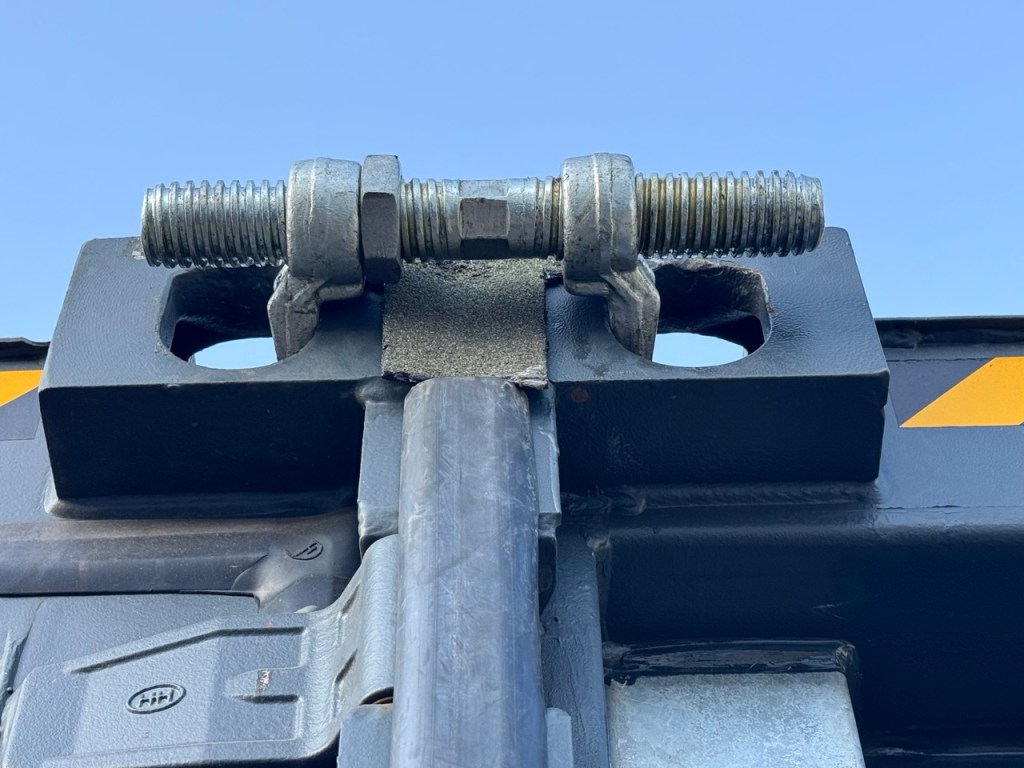
Horizontal Connection:
When containers are connected side by side, connecting elements ensure a tight and firm connection. This prevents separation due to external forces such as wind, vibration, or movement during transport.
Vertical Stacking:
When stacking vertically, connecting elements provide additional stability, ensuring that containers remain aligned and firmly secured. This is especially important when transporting containers where containers are stacked in multiple layers.
For example, when transporting on ships, where containers are often exposed to dynamic forces from waves, connecting elements distribute the load evenly, thereby reducing the risk of tipping or shifting.
Components of Connecting Elements
Connecting elements are precisely designed to withstand high loads. Their components include:
- Tensioning mechanism or twist lock: A key element that allows the connecting element to pull two containers together by tightening or securing the device.
- Hooks or clamps: Designed to fit into the corner castings of the container, ensuring firm and secure fastening.
- Material composition: High-strength steel is used, such as forged or cast steel, which ensures durability and load capacity.
- Anti-corrosion surface finish: Hot-dip galvanizing or zinc coating protects the connecting element from rusting and chemical corrosion.
- Adjustable length: Many connecting elements are adjustable to accommodate minor deviations in container alignment. For example, some elements have an adjustable range from 179 mm to 259 mm.
Types of Connecting Elements
Connecting elements are manufactured in various styles to meet different requirements:
- Twist locks: Compact devices that install quickly. These elements are secured by simple rotation and are ideal for vertical stacking.
- Screw or threaded clamps: These elements use threaded screws to pull two containers together. They offer high precision and are often used for horizontal connections.
- Socket locks: Similar to twist locks, but provide additional security through deeper anchoring in corner castings.
- Stacking frames: Larger structural components used to secure multiple containers in specific configurations. These are commonly used in modular building projects.
Uses of Connecting Elements
Connecting elements are essential in many industries:
- Shipping industry: On cargo ships, connecting elements are used to stack and secure containers to ensure cargo safety during transport.
- Modular construction: Connecting elements enable the creation of container-based structures, such as houses, offices, and storage units. Their modular nature allows for flexible configurations.
- Temporary storage solutions: Containers connected using connecting elements can serve as expandable storage units, providing durable and secure storage.
- Global trade and logistics: By connecting containers during transport, connecting elements facilitate safe and efficient movement of goods worldwide.
Benefits of Using Connecting Elements
Using connecting elements brings a number of benefits:
- Increased stability: Secure connection of containers prevents their shifting or tipping even in demanding conditions.
- Safety: Properly secured containers reduce the risk of accidents during transport and at construction sites.
- Space optimization: Connecting elements allow efficient stacking and alignment of containers, maximizing usable space.
- Easy handling: Mechanisms such as twist locks facilitate installation and disassembly, saving time and effort.
- Durability: Made from quality materials with anti-corrosion finishes, these elements are designed to withstand high loads and harsh environments.
Technical Specifications of Connecting Elements
Connecting elements are manufactured to meet strict industry standards. Typical specifications include:
- Material: High-quality cast or forged steel.
- Surface finish: Hot-dip galvanizing for corrosion protection.
- Load capacity: Rated capacity of 10 tons (22,046 pounds).
- Dimensions: Adjustable length in the range of 179 mm to 259 mm.
- Weight: Approximately 3-5 kg per element.
- Compatibility: Designed to match standardized ISO container corner castings.
Challenges in Using Connecting Elements
Although connecting elements are effective, they present certain challenges:
- Wear: Regular use in demanding conditions can lead to wear, requiring regular inspections.
- Complex installation: Perfect alignment of containers can be challenging, especially on uneven surfaces.
- Supply chain issues: Availability of connecting elements may be disrupted by global supply chain problems.
- Weight limits: Exceeding load capacity can lead to safety risks.
Best Practices for Using Connecting Elements
To ensure optimal performance:
- Inspect regularly: Before use, check for wear, corrosion, or damage.
- Use proper tools: Use appropriate tools for tightening and securing elements.
- Follow instructions: Follow manufacturer specifications regarding load capacity and compatibility.
- Ensure proper alignment: Properly align containers to minimize stress on connecting elements.
Future Trends in Connecting Elements
Advances in materials science and technology are shaping the future of connecting elements:
- Smart connecting elements: Integration of sensors for real-time monitoring of stress and wear.
- Advanced materials: Lightweight composites and alloys for improved performance.
- Eco-friendly manufacturing: Sustainable manufacturing methods reducing environmental impact.
- Automation: Compatibility with automated container handling systems.
Connecting elements are a fundamental component of container transport and modular construction, ensuring safety, stability, and operational efficiency. As industries evolve, so do the design and applications of connecting elements, bringing greater sustainability and innovation. Whether in transport, construction, or storage, understanding and effectively utilizing these components can significantly improve your operations.

 Czech Republic
  WITHOUT SHIPPING

