
Why is Rust Less Visible on Darkly Colored Shipping Containers
What is Rust and How Does it Form on Shipping Containers?
Rust, scientifically known as iron oxide, is a reddish-brown compound that forms when iron or steel reacts with oxygen and moisture in the air. This process, called oxidation, is significantly accelerated by environmental factors such as high humidity, salty environments, and temperature fluctuations. Shipping containers are predominantly made from Corten steel—a special type of steel designed to resist corrosion and withstand harsh conditions. Although Corten steel is corrosion-resistant due to its protective oxide layer, it is not completely immune to rust, especially when exposed to wet conditions for extended periods.
Corten steel, also known as “weathering steel,” allows for a controlled rusting process. When exposed to air and water, it develops a patina—a thin layer of rust that acts as a protective shield and slows further corrosion. However, the steel needs a balanced cycle of wet and dry conditions for the patina to form effectively. In environments where this balance is disrupted, such as in overly humid or permanently wet areas, the steel’s corrosion resistance decreases, making rust formation inevitable.
Why Do Shipping Containers Rust?
Shipping containers are exposed to extreme conditions, from heavy rains to scorching sunlight and salty atmospheres in coastal areas. These factors together contribute to rust formation. Although the protective patina of Corten steel helps limit rust to some extent, this layer can be disrupted under certain conditions, such as:
- Moisture accumulation: Stagnant water on the container’s surface accelerates rusting by prolonging the steel’s exposure to water.
- Salty air: Salt in the air, common in coastal or marine areas, acts as a catalyst for corrosion and quickly disrupts the protective oxide layer.
- Physical damage: Dents, scuffs, or scratches on the container’s surface can damage the paint or patina, exposing bare steel to oxidizing agents.
- Temperature fluctuations: Temperature variations can cause condensation, known as “container rain.” This phenomenon occurs when the interior of the container cools below the dew point, leading to moisture formation on the steel surface.
- Industrial pollution: Chemicals such as sulfur dioxide in industrial areas can react with steel and its protective layers, accelerating corrosion.
Understanding these factors is key to maintaining the structural integrity and lifespan of shipping containers.
Why is Rust Less Visible on Darkly Colored Containers?
The Role of Color in Rust Visibility
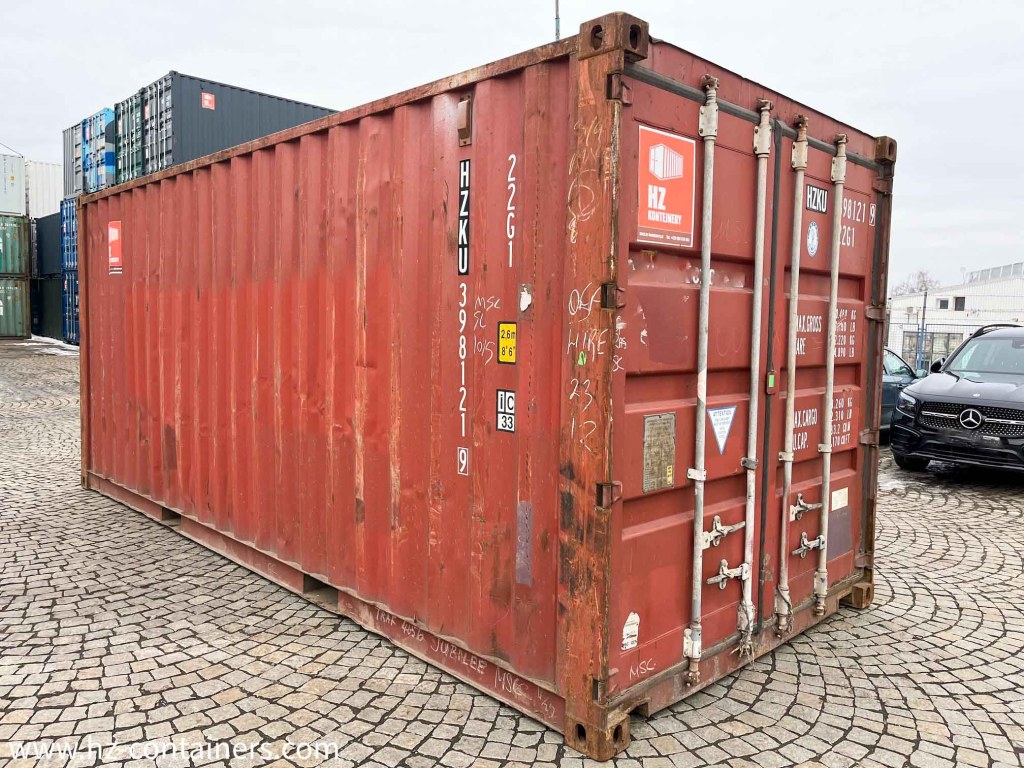
The visibility of rust on a shipping container is significantly influenced by its color. Darkly colored containers, such as black, navy blue, or dark green, naturally mask rust better than their lighter counterparts. This phenomenon can be attributed to several factors:
- Minimizing contrast: The natural reddish-brown shade of rust blends better with darker hues, reducing its visibility to the human eye.
- Surface texture and reflectivity: Dark surfaces absorb more light, reducing the visibility of surface irregularities, such as rust stains.
- Masking dirt: Dirt and dust that accumulate over time are less noticeable on darkly colored containers. This natural masking effect further conceals the presence of rust.
Why Are Dark Colors Chosen for Shipping Containers?
Dark colors are not selected solely for their ability to hide rust, but also for their practical and aesthetic advantages. These advantages include:
- Durability: Dark colors tend to show less visible fading over time, helping maintain a uniform and professional appearance.
- Low maintenance: The ability to mask dirt, dust, and minor imperfections reduces the need for frequent cleaning and maintenance.
- Aesthetic appeal: Dark shades are often associated with professionalism and neutrality, making them universal for various industrial and commercial applications.
How Does Color Protect Shipping Containers from Rust?
Color serves as the first line of defense against rust on shipping containers. It functions as a barrier that prevents direct contact between steel and oxygen and moisture, thereby inhibiting the oxidation process. High-quality paints, such as direct-to-metal (DTM) coatings, are specially designed for maximum corrosion resistance. Dark colors additionally offer further advantages:
- Heat absorption: Dark colors absorb sunlight, which can help moisture evaporate faster and reduce rust formation in certain climatic conditions.
- UV resistance: Modern dark colors often contain ultraviolet (UV) inhibitors that prevent fading and degradation, thereby extending the container’s lifespan.
Types of Paints Used on Shipping Containers
- Epoxy paint: Known for its exceptional durability and chemical resistance, ideal for containers exposed to harsh conditions.
- Polyurethane paint: Offers excellent UV resistance and provides a glossy surface, increasing the container’s aesthetic value.
- Zinc-rich paints: Containing zinc particles, these paints provide cathodic protection by sacrificing themselves to protect the underlying steel.
How Do Environmental Factors Affect Rust Formation?
Temperature Fluctuations and Condensation
Shipping containers often experience dramatic temperature changes during transport and storage. When the interior temperature of the container drops below the dew point, moisture condenses on the steel surface, accelerating the rusting process. This condensation, colloquially called “container rain,” is particularly problematic in humid or coastal areas.
Salty Air and Industrial Pollution
Salty air, common in coastal areas, acts as a natural catalyst for corrosion, breaking down protective oxide layers and paints. Similarly, industrial pollution, such as sulfur dioxide, chemically reacts with steel, weakening its protective barriers and accelerating rust formation.
How Can Rust Be Prevented or Treated?
Preventive Measures
- Regular inspections: Conduct regular inspections for signs of rust, dents, and paint damage.
- Proper drainage management: Ensure water does not accumulate on the container’s roof or around its doors.
- Protective coatings: Apply anti-corrosion primer coats and paints to areas prone to wear.
- Desiccants and ventilation: Use moisture-absorbing materials and install ventilation openings to reduce interior humidity.
Rust Treatment Methods
- Wire brushing and sanding: Manually remove surface rust before applying new paint.
- Sandblasting: A more intensive method for rust removal and surface preparation for new coating.
- Zinc-rich coatings: Apply zinc paint for sacrificial protection against rust.
 Czech Republic, Havířov
  FREE SHIPPING
Other container news...

New shipping containers
If you are currently considering purchasing a new shipping container, you are not alone. While just twenty years ago containers were used almost exclusively for maritime transport, today they have found their way into construction, storage, business, and even housing. This growing popularity brings with it a host of questions: Which type should you choose? How much does it cost? How do you recognize quality? How can you avoid falling victim to scammers?

6m shipping container
Are you thinking about buying a 6-meter shipping container but aren’t sure what to look for? You are not alone—this 20-foot container is the best-selling size on the Czech market, and the differences between various types, conditions, and prices can be significant. In this guide, you will find everything you need to know: from exact dimensions and a comparison of categories (such as “one-way,” refurbished, and “Cargo Worthy”) to current prices and shipping advice.
Corner casting steel vs aluminum
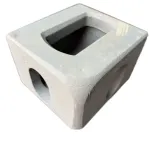
Every shipping container in the world — all 40 million of them — rests on eight critical components. Corner castings are the load-bearing blocks at each corner of an ISO shipping container, and they are the universal interface between the container and every crane, twistlock, spreader, and chassis on the planet. When you lift a container, stack it nine high on a ship, or lock it to a truck trailer, every ton of force flows through these fittings.

Construction cabin – selection, tips, dimensions and prices
Every construction project – whether a family house, a development project or a reconstruction – starts with the infrastructure. No construction manager, craftsman or investor who needs an on-site office, a changing room for workers or a safe storage for tools can do without a quality construction cell. But navigating the offer is not easy: residential containers, sanitary cells, storage modules, rental, purchase, refurbished pieces… This guide will give you answers to all the essential questions in one place.