
What is a Shipping Container Spillfloor – Drip Tray Used For?
Shipping Container Spillfloor – Drip Tray (catch floor, emergency pan, catch grate system) is an integrated or modular system of secondary protection against liquid spills in industrial, logistics or storage environments. It is installed in shipping containers and its main purpose is to prevent uncontrolled leakage of hazardous, toxic or environmentally threatening liquids into the surrounding environment, protect worker health and ensure compliance with legislation.

System Functions:
- Capturing spills, leaks and drips from containers, drums, IBC containers, machinery or batteries.
- Protection of surrounding soil, groundwater and surface water from contamination.
- Maintaining cleanliness and safety of the work environment.
- Enabling simple handling and disposal of captured liquids.
Detailed System Characteristics
Basic Principles and Key Properties
| Property | Description |
|---|---|
| Material | Steel (painted, galvanized), Polyethylene (PE), fiberglass (GRP) |
| Construction | Integrated or modular pan with removable grate and low profile |
| Capacity | According to legislation: min. 10% of total volume of stored substances or 100% of the largest container |
| Load Capacity | From 100 kg (small pans) to 1200 kg (large pans under drums/IBC) |
| Resistance | High chemical and mechanical resistance, variable depending on material |
| Accessories | Ventilation openings, drain valves, sorbents, emergency kits |
Types and Variants
- Steel catch floors: Ideal for storing petroleum products, solvents and flammable materials. High strength, resistance to mechanical damage, long service life.
- Plastic (PE) and fiberglass (GRP) floors: Suitable for aggressive chemicals, acids, bases. Extreme chemical resistance, lower weight, easy handling.
- Modular systems: Possibility of installation into existing containers, flexible layout according to needs.
- Integrated systems: Custom-made production with permanently installed pan and grates, suitable for long-term operation.
Table – Comparison of Catch Floor Materials
| Material | Suitable for | Advantages | Disadvantages/Limitations |
|---|---|---|---|
| Steel (Zn, paint) | Oils, petroleum products, paints | Robustness, fire resistance | Corrodes with acids/bases |
| Polyethylene | Acids, bases | Chemical resistance, low weight | Lower heat resistance, not for flammable materials |
| Fiberglass | All chemicals | Chemical resistance, stability | Higher price |
Technical Specifications According to Czech and Foreign Standards
- Czech Legislation (Water Act, Regulation No. 450/2005 Coll., ČSN EN 14470-1):
- Minimum volume of catch pan: 10% of total volume of stored substances or 100% of the volume of the largest container.
- Material must be chemically resistant to the stored substance.
- Catch capacity must be maintained even after placement of grates.
- American EPA/SPCC Regulations:
- “Secondary containment” must accommodate 10% of total volume or 100% of the largest container.
- Must be physically separated and prevent seepage into soil/water.
Practical Use in Industrial Practice
Typical Industries and Applications
- Manufacturing and Industry: Storage of oils, lubricants, cleaning agents.
- Chemical Industry: Storage of raw materials, intermediates, finished products.
- Automotive & Workshops: Storage of operating fluids, mobile service containers.
- Construction: Temporary storage of petroleum products, oils, additives directly on site.
- Logistics & Transshipment Points: Safe transfer of hazardous substances.
- Agriculture: Pesticides, fertilizers, machine fuels.
Stored Forms
| Containers/Equipment | Typical Volume | Typical Use |
|---|---|---|
| 200 l Drums | 1–4 drums | Oils, diesel, chemicals |
| IBC Containers | 1000 l | Large-volume storage |
| Canisters 20–40 l | 3–10 pcs | Smaller chemicals, additives |
| Batteries | Various | Protection against acid leakage |
| Machinery | Various | Capturing operating fluids |
Design Details and Recommendations
Catch Floors – Construction
- Welded Steel Pans: Ensure impermeability, hot-dip galvanized for long service life.
- Removable Grates: Galvanized or plastic, allow easy cleaning.
- Low Profile: Facilitates handling with pallet equipment, minimizes tripping hazard.
- Ventilation Grilles: For vapor removal (especially for chemicals).
- Drain Valves: For safe removal of captured liquids.
Example of Technical Parameters (According to Railway Administration and MEVA-TEC)
| Type | Dimensions (mm) | Material | Load Capacity (kg) | Catch Volume (l) | Grate |
|---|---|---|---|---|---|
| Steel pan for 2 drums | 1236 × 815 × 355 | Steel, Zn | 800 | 205 | Removable |
| Plastic pan | 800–900 × 500–900 × 100–130 | PE | 100 | 40–60 | Optional |
| IBC pan | 1350 × 1350 × 600 | PE | 1500 | 1100 | Yes |
Significance and Benefits of Use
1. Protection of Health and Safety
- Minimization of risk of slipping, contact with chemicals and fire.
- Compliance with occupational health and safety and fire protection requirements.
2. Environmental Protection
- Prevention of water, soil and environmental contamination.
- Easy processing and disposal of hazardous waste.
3. Legislative and Insurance Benefits
- Compliance with legal obligations, easy audits and insurability of operations.
- Prevention of high fines and shutdowns.
4. Economic Benefits
- Prevention of costly remediation.
- Reduction of cleaning and maintenance costs.
- Protection of equipment and the container itself.
Differences Between Catch Floor (Spill Floor), Pallet and Drip Tray
| System | Capacity | Use | Advantages | Limitations |
|---|---|---|---|---|
| Drip Tray | 1–40 l | Under small containers, machinery | Portable, inexpensive | Low capacity, local |
| Spill Pallet | 100–1200 l | 2–4 drums, 1 IBC | Mobile, robust | Only part of space |
| Spill Floor | 500–3000+ l | Entire container, multiple containers | Maximum protection | Higher purchase price |
Best Practices for Installation and Maintenance
- Placement of container on a flat, stable surface.
- Regular inspection of grates, tightness and pan condition.
- Immediate removal of captured liquids and impurities.
- Staff training (work with chemicals, emergency procedures).
- Use of sorbents and emergency kits near storage.
- Inspection of rainwater (especially for outdoor placement).
Legislative Minimum and Recommendations
- Catch pan must accommodate: min. 10% of total volume or 100% of the volume of the largest container.
- Material must be selected according to chemical compatibility (chemical resistance tables are available from manufacturers).
- Regular inspections and documentation of interventions/maintenance are necessary for audits by environmental authorities and insurance companies.
Frequently Asked Questions (FAQ)
How to choose the material of the catch pan?
According to the nature of the stored substance. Steel for petroleum products/oils, PE/GRP for acids and bases.
Do I need a catch floor in the container?
If you store substances hazardous to water, the environment or health, it is a legal obligation.
How often to clean the floor/pan?
After each spill, otherwise at least 1× monthly. Grates must be removable for quick cleaning.
What to do with rainwater in the catch pan?
If contaminated, it is disposed of as hazardous waste.
Other container news...
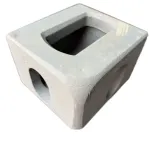
Corner casting steel vs aluminum
Every shipping container in the world — all 40 million of them — rests on eight critical components. Corner castings are the load-bearing blocks at each corner of an ISO shipping container, and they are the universal interface between the container and every crane, twistlock, spreader, and chassis on the planet. When you lift a container, stack it nine high on a ship, or lock it to a truck trailer, every ton of force flows through these fittings.

Construction cabin – selection, tips, dimensions and prices
Every construction project – whether a family house, a development project or a reconstruction – starts with the infrastructure. No construction manager, craftsman or investor who needs an on-site office, a changing room for workers or a safe storage for tools can do without a quality construction cell. But navigating the offer is not easy: residential containers, sanitary cells, storage modules, rental, purchase, refurbished pieces… This guide will give you answers to all the essential questions in one place.
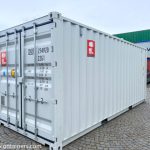
Storage container
A storage container is a lockable steel box designed for the safe and dry storage of materials, tools, goods or equipment. Originally created as a shipping container for maritime transport, its durability and versatility have found their way onto construction sites, corporate premises and private land.
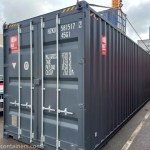
Shipping container 12m (40 ft)
A 12m shipping container is an investment that, if properly selected and cared for, will pay off in decades of trouble-free use. Whether you plan to use it as a warehouse, workshop, garage or the basis for a residential module — the key is careful selection of the condition, a thorough inspection before purchase and high-quality preparation of the base for placement. Take the time to compare offers, check the seller’s references and do not hesitate to personally inspect the container before buying. A properly selected 40-foot container will serve you reliably for many years.