
Transportation of shipping containers by truck
The transport of shipping containers by truck is a key part of modern logistics. This mode of transport allows goods to be moved efficiently and quickly from port directly to their destination. With its flexibility and ability to deliver cargo virtually anywhere, trucking has become an essential link in the supply chain of many companies.
Advantages of transporting containers by truck
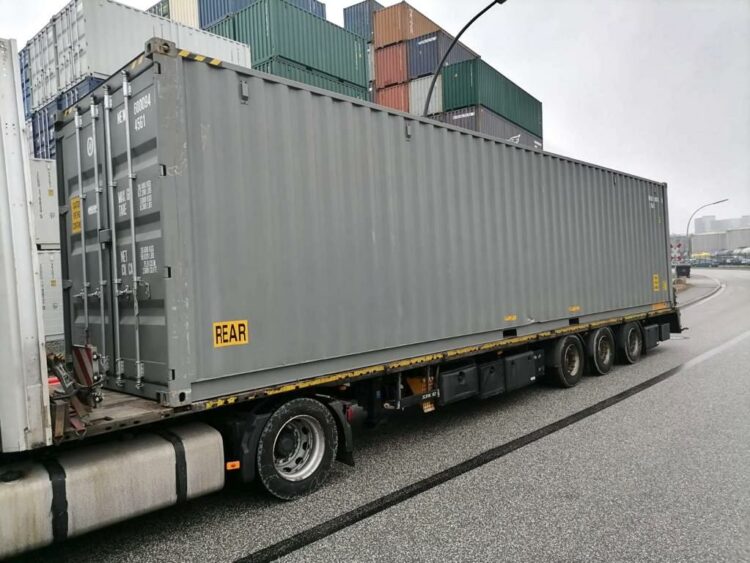
Trucking of shipping containers offers a number of advantages. The main ones include:
- Flexibility: trucks can deliver cargo directly to places where other means of transport cannot reach. This reduces the overall delivery time and increases the efficiency of the entire transport operation.
- Speed: Compared to rail or sea freight, trucking offers significantly faster delivery over shorter distances. This is particularly important for companies that need to respond quickly to demand.
- Accessibility:With an extensive network of roads and motorways, trucking is easily accessible virtually all over the country. This allows hauliers to flexibly plan routes and optimize logistics operations.
The process of transporting shipping containers by truck
The transportation process begins the moment the container is loaded onto the truck at the port. The truck then sets off on its journey to its destination, where the container is unloaded. The whole process involves several key steps:
- Container loading: the container is loaded onto a special truck with the appropriate equipment to ensure the safe attachment and transport of the cargo.
- Transportation: the truck driver carefully plans the route to minimize transportation time and costs. Factors such as traffic, road conditions and weather conditions are taken into account in the planning.
- Unloading the container: upon arrival at the destination, the container is unloaded and the cargo is ready for further processing or distribution.
Safety and reliability
Safety is one of the most important aspects of shipping container trucking. Shipping companies place great importance on protecting cargo from damage and theft during transport. To do this, they use modern technologies and procedures, including:
- GPS tracking: each truck is equipped with a GPS device that allows you to track the location of the load in real time. This improves safety and allows a quick response to inappropriate situations.
- Container security:Containers are equipped with robust locks and other security features to protect cargo from unauthorized access.
Ecological impact
Although trucking is often associated with higher greenhouse gas emissions, modern technology and innovation are helping to reduce the environmental impact of trucking. Many transport companies are investing in low-emission vehicles and route optimisation to minimise fuel consumption.
The importance of partnership and cooperation
Efficient transport of shipping containers by truck often requires close cooperation between the various actors in the supply chain. Shipping companies work with ports, warehousing operations and end customers to ensure a smooth and efficient transport process. International partnerships and cooperation with proven partners around the world also play an important role.
The future of shipping container trucking
Experts see the future of shipping container trucking in the further development of technology and innovation. Automation, digitalisation and sustainable practices will play a key role in how the sector develops. Shipping companies will need to constantly adapt their strategies and invest in new technologies to remain competitive and meet growing customer demands.
Other container news...

Grid – ABS Vent Cover
The ABS Vent Cover is a key structural element found on the outside of standard dry vans. Its main function is to allow passive air exchange between the interior and exterior of the container.

Faults and Most Common Defects of Refrigerated Containers
Refrigerated (freezer) containers are the backbone of safe and efficient transport of temperature-sensitive goods. Thanks to modern technologies, consistent maintenance and remote monitoring, their failure rate can be significantly reduced. The most common defects – from temperature fluctuations to mechanical and electrical failures to human errors – can be solved through systematic prevention, regular inspections (PTI), operator training and the use of telematics.

Anatomy of a 45’HC PW Double Curtain Side Shipping Container
The 45’HC PW Double Curtain Side container represents the pinnacle of intermodal container innovation for the European market. Its unique combination of high capacity, fast loading/unloading and full compatibility with sea, rail and road transport makes it the ideal choice for forwarders, manufacturers and distributors who want to maximize the efficiency of their logistics flows. Its design reflects the needs of the modern supply chain, where speed, flexibility and maximum use of loading space are key.

Shipping Container Homes
Shipping container home is a residential unit created from one or more steel intermodal shipping containers that have been structurally modified, insulated, and equipped with technical systems to meet the requirements for safe and comfortable living.