
The Most Common Types of Goods Damage During Sea Transport
Significance and Risks of Goods Damage in Maritime Transport
Maritime transport is the backbone of global trade – according to the International Maritime Organization (IMO), over 90% of goods are transported by sea, with modern container ships capable of carrying up to 24,000 TEU (Twenty-foot Equivalent Unit, i.e., 20-foot containers) at once. Nevertheless, cargo safety and integrity remain a critical challenge. Statistics from the Allianz Safety & Shipping Review 2023 show that up to 11% of all shipments are exposed to some type of damage or incident.
Goods damage during maritime transport means any loss of value, functionality, or saleability of cargo – from physical deformations, through contamination, to complete loss. These damages have direct economic impact, can damage company reputation, cause legal disputes with insurers or partners, and disrupt global supply chains.
The following article provides a detailed analysis of the most common types of damage, their causes, consequences, and modern prevention strategies based on the latest practical knowledge and expert sources.
The Most Common Types of Goods Damage in Maritime Transport
1. Physical Damage
Definition and Technical Aspects
Physical damage is the most common and most visible form of cargo devaluation. It includes all types of mechanical impacts that lead to denting, breaking, cracking, scratching, or complete destruction of goods or their packaging. Physical damage affects products across all categories: from machinery, through consumer goods, to food products.
Mechanisms and Causes
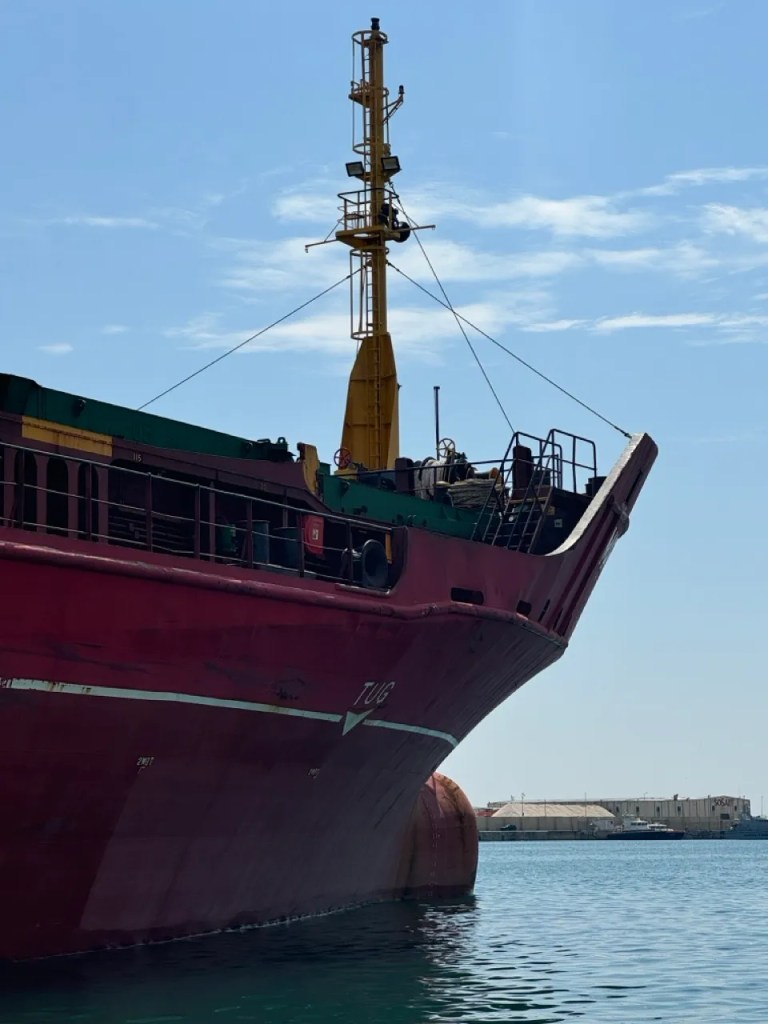
- Dynamic forces at sea: A ship moves in six directions (roll, pitch, yaw, surge, sway, heave), which exerts considerable forces on cargo. Inadequate securing leads to shifting, impacts, and deformations.
- Improper blocking and bracing: Failure to use wooden braces, inflatable bags, or straps allows free movement of goods in the container.
- Incorrect palletization: Excessively high stacking, overloading pallets, or poor securing (e.g., absence of stretch film) dramatically increases the risk of falling and damage.
- Vibration and shaking: Continuous vibrations from engines, equipment handling, and transshipment cause material fatigue, joint damage, and surface defects.
- Impact handling: Container drops, sudden braking, rough handling in warehouses or ports are typical sources of acute damage.
- Uneven weight distribution: Heavy items on top or on one side mean increased instability and risk of cargo tipping.
Consequences
- Reduced value of goods, unsaleability, or non-functionality.
- Legal disputes over compensation between shipper, carrier, and insurer.
- Delivery delays and disruption of supply chains.
Prevention
- Professional packing and palletization: Use of certified pallets, quality packaging materials, even weight distribution. Consideration of environmental aspects (e.g., recyclable materials).
- Sophisticated securing: Installation of wooden blocks, braces, inflatable bags, anti-slip mats, and straps according to cargo type.
- Technological impact and vibration indicators: Allow subsequent identification of when and where damage occurred.
- Regular staff training and use of ISPM 15 standards for pallets.
2. Water and Moisture Damage
Definition and Significance
Damage caused by moisture or direct contact with water includes:
- Corrosion of metal parts and equipment.
- Mold growth, decay, and devaluation of organic materials (food, textiles, paper).
- Short circuits, failure, and destruction of electronics.
- Swelling, deformation, and disintegration of wood or cardboard.
Main Causes
- Condensation (Container Rain): Due to temperature fluctuations between day and night, or when transporting between climate zones, water vapor condenses and forms droplets on container walls. These subsequently drip onto cargo.
- Container leaks: Cracks, corrosion, damaged door seals or walls allow rainwater or seawater to enter.
- Wrong container type: Moisture-sensitive goods transported in a standard, not ventilated container.
- Wet packaging and pallets: Use of wet pallets, fillings, or directly damp goods during packing.
- Seawater ingress during extreme weather: High waves, poorly closed containers.
Consequences
- Unsaleability of goods, increased disposal costs, legal disputes.
- Creation of health and hygiene risks (mold, bacteria).
Prevention Strategies
- Thorough container inspection before loading: Check for tightness, condition of walls and doors (so-called light test), absence of corrosion.
- Use of desiccants: Special bags or inserts that absorb moisture.
- Waterproof packing and inner liners: Films, container liners, water-resistant boxes.
- Correct container selection: Ventilated container for coffee, cocoa, paper, textiles.
- Ensuring dry goods, pallets, and fillings during packing.
3. Contamination
Definition
Contamination means soiling or devaluation of goods by foreign substances (chemicals, odors, dust, other products), which makes it unsaleable, health hazardous, or unsuitable for further processing.
Most Common Causes
- Insufficient container cleaning after previous transport.
- Cross-contamination: Inappropriate mixing of different types of goods in one container (e.g., chemicals and food).
- Damaged packaging and leaks: Spilled liquids, bulk materials, dust.
- Odor transfer: Particularly textiles, coffee, tea easily absorb foreign odors.
- Environmental contamination: Dust, dirt, water from the port environment during handling.
Prevention
- Professional cleaning of containers before loading.
- Cargo segregation: Never store incompatible products together.
- Use of liners and protective barriers.
- Quality, impermeable packaging, especially for liquids and bulk materials.
- Regular inspection and monitoring of goods and packaging.
4. Reefer Container Damage
Definition and Significance
Specific damage to perishable goods (fruit, vegetables, meat, dairy products, medicines) transported in refrigerated containers (reefers). Manifestations: spoilage, color change, unwanted ripening, freezing, thawing, loss of nutritional value.

Main Causes
- Cooling technology failure: Aggregate malfunction, power outage, generator failure.
- Human error: Incorrect temperature, humidity, ventilation settings.
- Improper cargo stowage: Blocking air circulation, exceeding height below the red line.
- Missing cargo pre-cooling: Loading goods at higher temperature.
- Open ventilation openings or poor sealing.
Consequences
- Total cargo devaluation, disposal, high financial losses.
- Risk of health complications.
Prevention
- Pre-Trip Inspection (PTI) certificate for each reefer before loading.
- Correct setting and regular monitoring of temperature and humidity (remotely and manually).
- Compliance with cargo loading and stowage instructions.
- Pre-cooling of goods before placing in container.
- Use of modern remote monitoring technologies (IoT, GPS, temperature loggers).
5. Pest Infestation
Definition
Infestation of goods by insects, rodents, or other pests. Typical especially for food, seeds, wood, textiles, paper, where it can cause not only direct damage but also contamination and health risks.
Most Common Causes
- Contaminated warehouses, ports, and containers.
- Use of untreated wooden packaging materials (uncertified pallets, boxes).
- Insufficient cleaning – residues from previous shipments.
- Inappropriate storage and long waiting times in ports.
Prevention
- Regular inspection and cleaning of warehouses and containers.
- Use of only certified pallets and packaging according to ISPM 15.
- Fumigation options according to destination country requirements.
- Visual inspection before closing container.
- Proactive monitoring (sticky traps, motion sensors).
6. Cargo Loss
Definition
Loss of entire container or part of it – due to falling overboard, theft, piracy, documentation errors, or logistical failures.
Main Causes
- Container falling overboard: Extreme weather, heavy seas, poor securing, ship overloading.
- Theft and piracy: Primarily in certain regions (e.g., West Africa, Strait of Malacca).
- Documentation and labeling errors: Incorrect B/L, poor container marking, label switching.
- Collisions, fires, grounding, and ship accidents.
Consequences
- Total financial loss, legal disputes, possible environmental impacts (hazardous materials).
Prevention
- Rigorous container securing on deck according to IMO and SOLAS rules.
- Use of security locks, seals, GPS tracking.
- Accurate and complete documentation.
- Quality cargo insurance.
- Cooperation with verified carriers and warehouses.
Additional Important Terms and Context
Safety Protocols and Legal Framework
- ISM Code (International Safety Management Code): Mandatory for all commercial ships over 500 GT, establishes rules for safe operation and crisis plans.
- SOLAS (Safety of Life at Sea): Determines technical requirements for ships, their equipment, and operation.
- IMDG Code: Standards for transport of dangerous goods.
- International liability: Liability for damages and losses is often limited (COGSA, Hague-Visby Rules). In practice, own cargo insurance is absolutely essential.
Modern Trends in Prevention and Monitoring
- IoT and digitalization: Sensors in containers allow real-time monitoring of temperature, humidity, shocks, and location.
- Automation of transshipment and storage: Reduces risk of human error and damage during handling.
- New materials and ecological packaging: Minimize risk of contamination, mold, and environmental damage.
- Advanced pest detection (AI, machine learning): Enables early warning of infestation.
Statistics of Losses and Damages
- On average, 1,000–1,500 containers fall into the sea annually (IMO, World Shipping Council, 2023).
- The most common causes are extreme weather, poor securing, and human error.
- Direct damages exceed billions of USD annually, indirect damages (delays, legal disputes, reputation) are often even higher.
 Benešov, Czech Republic
  FREE SHIPPING

Other container news...

20 Foot shipping container cost
If you are researching the cost of a 20 foot shipping container, you have likely already encountered wildly different prices — from $999 listings online to quotes exceeding $5,500. That range is not a sign of inconsistency. It reflects real differences in container condition, location, delivery logistics, and the seller you are dealing with.
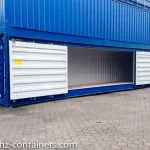
Side Opening container
A side opening container is an ISO-compliant intermodal shipping container engineered with full-length bi-fold doors along one of its long side walls, in addition to the standard cargo doors at one end. Unlike conventional containers that restrict access to a single set of rear doors, a side opening container — also widely called an open side container, open-sided shipping container, or side door container — provides unobstructed lateral access across the entire 20-foot or 40-foot length of the unit. This design transforms the container from a narrow tunnel into a wide-open space that forklifts can enter from the side, multiple workers can load simultaneously, and oversized cargo that would never fit through standard end doors can be placed without struggle.
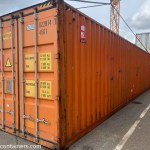
40 Foot High Cube container cost
A 40 foot high cube container — often abbreviated as 40ft HC, 40′ HC, or 40-foot high cube — is one of the most common shipping container sizes sold on the secondary market. But if you are researching what a 40 foot high cube container costs, you have almost certainly noticed that prices are all over the map. One seller quotes $1,500. Another quotes $7,000. Both could be legitimate.
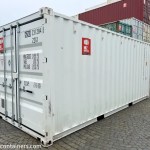
20 Foot container cost
If you have ever searched for a shipping container, you have almost certainly asked one question first: how much does a 20 foot container cost? The answer is not a single number. It is a range that spans from under $1,000 for a weathered, as-is unit to over $5,000 for a pristine, one-trip container — and that is before delivery, site preparation, or modifications enter the picture.