
Spare parts for shipping containers
Spare parts for shipping containers from HZ CONTAINERS represent a comprehensive range of components, accessories and structural elements that enable the maintenance, repair, modernization and securing of standardized ISO containers. These parts are essential for preserving the functionality, safety and watertightness of containers during their long service life.
Shipping containers are designed for durability under extreme conditions, yet their individual parts wear out due to mechanical stress, frequent handling and adverse weather.
HZ CONTAINERS, as a leading supplier in the Czech Republic and other EU countries, offers not only new and used containers but also a complete assortment of spare parts—from basic (seals, locks) to complex structural assemblies (e.g., door sets or corner castings). The purpose of this article is to explain in detail what spare parts for shipping containers are, why they are indispensable, and which specific parts HZ CONTAINERS provides, including expert advice and technical details according to current standards and practice.
Why high‑quality spare parts are key to container longevity
Investing in high‑quality spare parts means not only repairing but strategically extending the service life of the container and preserving its value. The importance of these parts can be divided into five essential areas:
- Restoring functionality and integrity: Damaged panels, leaking door gaskets or corroded components compromise structural integrity and cargo protection. Timely replacement of quality parts restores the original properties of the container and protects the contents from moisture, pests and contamination.
- Ensuring safety: Damaged corner castings can fail during stacking or lifting, while faulty locks and hinges risk unintended door opening during transport, endangering cargo, personnel and equipment.
- Protecting cargo: The main purpose of a container is to safeguard goods. Defective seals allow water ingress, which can destroy electronics, paper, textiles and other sensitive items. Reliable seals and locks are basic prevention against damage and theft.
- Maintaining CSC certification: International transport requires each container to have a valid CSC label (Convention for Safe Containers). Repairs with non‑certified or low‑quality parts can lead to loss of this label, removing the container from service.
- Economic return: Regular maintenance and use of reliable parts is far cheaper than acquiring a new container. Extending the life of existing containers saves investment costs and optimizes operations.
Comprehensive overview of spare parts and accessories for containers
Main categories of spare parts
| Category | Key components | Function |
|---|---|---|
| Door parts | Seals, locks, hinges, handles, rods | Closing, sealing, security |
| Structural elements | Corner castings, wall and floor panels, posts, frames | Providing strength and load‑bearing capacity |
| Accessories | Ventilation grills, anchoring eyes | Air circulation, cargo fixation |
Door parts of a shipping container
Doors are the most frequently used and mechanically stressed part of a container, so their components are the most exposed to damage and wear.
Door seals
- Material: High‑wear rubber, usually EPDM or special blends with UV stabilisation.
- Types: Most common “J‑type” and “C‑type” profiles that fit the majority of ISO containers; custom variants are available for older or special models.
- Service life: 8–15 years with proper maintenance, depending on UV exposure and chemicals.
- Installation: Inserted into grooves around the door, requiring precise measurement and possible length adjustment.
- Reasons for replacement: Hardening, cracking, loss of elasticity, mechanical damage.
- Standards: Must meet water‑tightness and durability requirements of ISO 1496‑1.
Locking mechanisms and security
- Components: Locking rods, handles, retainers, latches, guides, security locks (twist‑lock, cam lock).
- Material: Galvanised or stainless steel, often coated with anti‑corrosion paint.
- Security: Modern locks comply with European safety classes and are tested against picking and cutting.
- Installation: Replacement requires removal of old components; some types need welding or riveting.
- Service: Regular lubrication of moving parts extends life and improves functionality.
Hinges and pins
- Material: Hardened steel with anti‑corrosion coating.
- Function: Ensure smooth door movement and a solid connection to the frame.
- Common defects: Corrosion, deformation from impacts, wear of pins.
- Maintenance: Check and lubricate sliding surfaces 1–2 times per year.
Complete replacement doors
- When to use: Extensive deformation, corrosion or damage that makes repairing individual parts uneconomical.
- Variants: Available for standard and High‑Cube (HC) containers, insulated doors for refrigerated and freezer containers.
- Installation: Requires skill; professional fitting is often necessary due to tight tolerances.

Structural and load‑bearing components
Corner castings
- Material: Cast steel blocks conforming to ISO 1161, high strength.
- Function: The only points for lifting, stacking and fixing the container (twist‑lock connection with handling equipment).
- Service life: Up to 30 years with proper use, provided they are not cracked or deformed.
- Standards: ISO 1161, CSC certification (regular inspections).
- Installation: Requires welding to the frame and professional testing for tightness and strength.
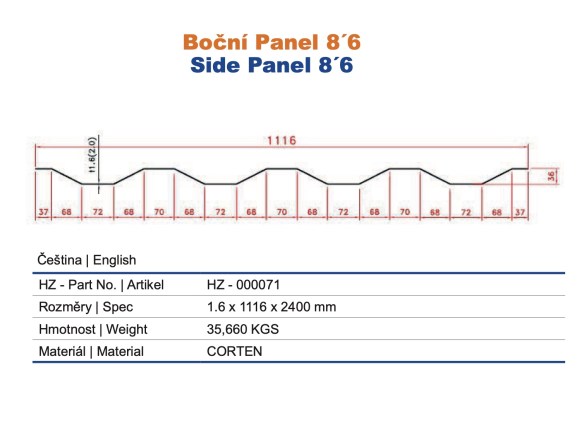
Wall and floor panels
- Wall material: Corten steel (corrosion‑resistant, typically 2.0–2.5 mm thick).
- Floor material: Multi‑layer marine plywood, 28–30 mm thick, or aluminium panels for special containers.
- Function: Protect cargo, provide rigidity and load‑bearing capacity.
- Typical faults: Corrosion, mechanical damage, wood rot.
- Installation: Panel replacement involves cutting out the old piece and fastening the new one with bolts to the frame.
Corner posts and frame
- Material: Steel profiles 4–6 mm thick (depending on container size and type).
- Function: Transfer loads during stacking, form the container skeleton.
- Repairs: Severe collisions require professional straightening or full‑part replacement.
Accessories and add‑ons for specific needs
Ventilation grills
- Material: Plastic, stainless steel or painted steel.
- Placement: Typically 2–4 units on each side of the container.
- Function: Remove moisture, prevent condensation, protect against pests.
- Installation: Drill openings and secure with screws; often equipped with insect mesh.
Lashing equipment
- Types: Steel anchoring eyes (D‑rings) mounted to the floor or walls.
- Load capacity: Usually 1–2 tonnes per eye.
- Function: Secure cargo with straps, chains or nets.
Materials and technical standards
| Component | Material | Standard / Requirement | Approximate service life |
|---|---|---|---|
| Corner castings | Cast C3 steel | ISO 1161 | 25–30 years |
| Wall panels | Corten steel | ISO 1496‑1 | 15–25 years |
| Floor deck | Marine plywood | ISO 1496‑1, EN 636 | 10–15 years |
| Seals | EPDM, PVC | ISO 1496‑1 | 8–15 years |
| Locks / hinges / rods | Galvanised steel | EN 12385, in‑house tests | 10–20 years |
How to correctly select and purchase spare parts from HZ CONTAINERS
1. Identify the correct part
- Use the data from the CSC label (manufacturer, production date, type, number).
- For non‑standard parts, take detailed photographs and measure dimensions.
- For complex cases, contact the HZ CONTAINERS technical department for precise compatibility determination.
2. Online purchasing process
- Browse the online catalogue by category and parameters.
- Each part listing includes catalogue number, photo, dimensions, usage description and often installation instructions.
- Order the selected items via the provided e‑mail address.
3. Professional advice
- The specialised team will help choose the right part and solve structural repair issues.
- They will recommend the appropriate component based on photo documentation and fault description.
Maintenance, repair and installation of spare parts
- Regular inspection: At least twice a year perform a visual check of seals, hinges, locks, anchoring points, panels and floor.
- Maintenance: Clean, lubricate moving parts, remove corrosion, repaint exposed areas.
- Repairs: Simple items (seals, ventilation grills, handles) can be replaced by the user; structural interventions and welding should be performed by a professional.
- Installation: Always use the correct tools and personal protective equipment, and follow manufacturer procedures and applicable standards.
Related terms
- CSC label (Convention for Safe Containers): International safety and suitability certificate for containers.
- ISO 668: Standard for container dimensions and weights, also defining part compatibility.
- Corten steel: Steel alloy with copper, phosphorus, nickel and chromium that forms a protective patina against corrosion.
- Intermodal transport: Movement of a single unit using multiple transport modes without unloading the cargo.

 Czech Republic
  WITHOUT SHIPPING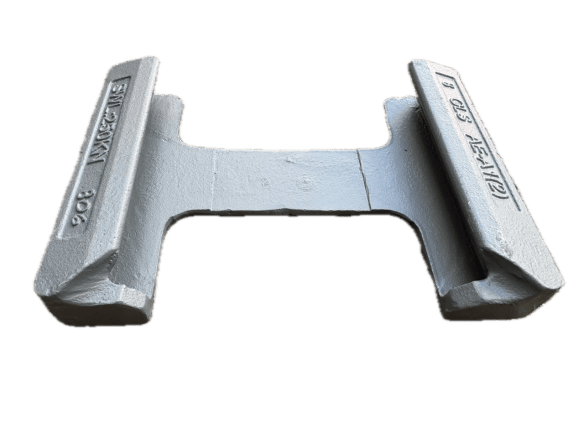




Other container news...

Obligation to Check Tightness When Selling a Reefer Container
Who is responsible for the refrigerant leak check when selling a refrigerated container? Find out what obligations the seller has at the time of handover and why they must provide a PTI report along with the technical data plate. Learn which regulatory requirements and F-gas record-keeping duties become the sole responsibility of the new owner.

New shipping containers
If you are currently considering purchasing a new shipping container, you are not alone. While just twenty years ago containers were used almost exclusively for maritime transport, today they have found their way into construction, storage, business, and even housing. This growing popularity brings with it a host of questions: Which type should you choose? How much does it cost? How do you recognize quality? How can you avoid falling victim to scammers?
New sea shipping containers
If you are currently considering purchasing a new shipping container, you are not alone. While just twenty years ago containers were used almost exclusively for maritime transport, today they have found their way into construction, storage, business, and even housing. This growing popularity brings with it a host of questions: Which type should you choose? How much does it cost? How do you recognize quality? How can you avoid falling victim to scammers?

6m shipping container
Are you thinking about buying a 6-meter shipping container but aren’t sure what to look for? You are not alone—this 20-foot container is the best-selling size on the Czech market, and the differences between various types, conditions, and prices can be significant. In this guide, you will find everything you need to know: from exact dimensions and a comparison of categories (such as “one-way,” refurbished, and “Cargo Worthy”) to current prices and shipping advice.