
Safety of Installing Solar Systems on Metal Surfaces
This article serves as a comprehensive guide to understanding the issues of Safety of Installing Solar Systems on Metal Surfaces. It provides detailed insights into key concepts, best practices, and technical aspects necessary for safe and efficient installation of solar photovoltaic (PV) systems on metal roofs. Whether you are a professional installer, building owner, or simply a curious enthusiast, this article will answer key questions and guide you through the complexities of this topic.
What is “Safety of Installing Solar Systems on Metal Surfaces”?
“Safety of Installing Solar Systems on Metal Surfaces” refers to the safety protocols, design aspects, and specialized techniques needed to safely secure solar PV systems to various types of metal roofs. Metal roofs present unique challenges and advantages due to their design properties, such as durability, recyclability, and compatibility with advanced mounting systems. However, their slippery surfaces, thermal conductivity, and specific design elements (e.g., standing seams, corrugated patterns) require adapted safety measures to ensure successful installation.
Metal roofs are becoming increasingly popular for solar panel installations due to their long lifespan and environmental benefits. Understanding the nuances of various types of metal roofs and their compatibility with solar systems is, however, essential for maintaining roof integrity, optimizing energy production, and ensuring worker safety during installation.
Why is Safety Important When Installing Solar Systems on Metal Roofs?
1. Worker Protection
Installing solar panels on metal roofs often involves significant risks, such as working at heights, handling heavy and fragile equipment, and exposure to electrical systems. Proper fall protection systems, personal protective equipment (PPE), and adherence to safety protocols are key to mitigating risks such as falls, electrical injuries, and repetitive strain.
2. Roof Integrity
Metal roofs are designed to be durable, but improper installation methods can compromise their structural integrity. For example, incorrect drilling or overloading the roof with excessive weight can lead to leaks, material damage, and warranty loss. Roofs with standing seams have a particular advantage, as solar panels can be secured using non-penetrating clamps, which prevents damage to the roof’s waterproof membrane.
3. System Performance
Poorly installed solar systems can lead to inefficiency, reduced energy production, and safety hazards such as electrical faults. Proper fastening, alignment, and electrical connections are key to achieving optimal performance and long-term reliability.
Types of Metal Roofs and Their Impact on Solar System Installation
Understanding the specific properties of various types of metal roofs is essential for selecting appropriate mounting systems and a safe installation process.
1. Standing Seam Roofs
- Description: Roofs with raised vertical seams, ideal for non-penetrating mounting systems.
- Safety Features: Solar panels can be attached directly to the seams, eliminating the need for drilling and preserving roof waterproofing.
- Advantages: Shortened installation time, minimal risk of leaks, and compatibility with modern mounting technologies.
2. Corrugated Metal Roofs
- Description: Roofs with a corrugated, ribbed pattern require special brackets for solar panel installation.
- Challenges: Penetrating fasteners are often necessary, which increases the risk of leaks if sealants are not properly applied.
- Solution: Use of L-feet brackets with rubber seals to prevent water penetration and ensure secure fastening.
3. Trapezoidal Metal Roofs
- Description: These roofs have flat areas between ribs, requiring careful bracket placement.
- Advantages: Solar panels can be efficiently secured using special brackets designed for trapezoidal profiles.
- Considerations: Ensuring proper sealing to prevent leaks and maintain structural integrity.
4. Metal Shingles
- Description: Resemble traditional shingles but are made of metal, offering aesthetic appeal and durability.
- Considerations: Weight distribution is key to preventing damage, and installers must use mounting systems that evenly distribute load.
5. Stone-Coated Steel Roofs
- Description: A durable and wind-resistant option that is becoming increasingly popular due to aesthetic and structural advantages.
- Advantages: Installation requires minimal drilling, and warranties often cover maintenance and repair costs.
Key Safety Practices When Installing Solar Systems on Metal Roofs
1. Fall Protection Systems
- What it is: Includes railings, safety nets, and personal fall protection systems.
- Importance: Falls are one of the leading causes of construction injuries. Properly positioned safety anchors and equipment are essential for worker safety.
2. Selection of Mounting Hardware
- What it is: Choosing between penetrating and non-penetrating systems.
- Importance: Non-penetrating systems are preferred for standing seam roofs, while penetrating fasteners with rubber seals are suitable for corrugated and trapezoidal roofs.
3. Electrical Safety
- What it is: Ensuring proper installation and grounding of all cables, inverters, and connections.
- Importance: Prevents electrical injuries, arc faults, and fires.
4. Load-Bearing Assessment
- What it is: Evaluating the roof’s ability to support the additional weight of solar panels and mounting systems.
- Importance: Prevents structural damage and ensures long-term stability.
5. Weather Protection
- What it is: Use of sealants, seals, and proper mounting techniques to prevent water leaks.
- Importance: Preserves roof integrity and prevents long-term damage.
Tools and Equipment for Safe Installation
Basic Tools
- Ladders and scaffolding for safe roof access.
- Harnesses and ropes for fall protection.
- Drills and screwdrivers for mounting hardware.
- Rubber seals and sealants for waterproofing.
- Electrical testing equipment to ensure safe connections.
Personal Protective Equipment (PPE)
- Hard hats to protect against falling objects.
- Non-slip boots for better grip on metal surfaces.
- Gloves for handling sharp or hot components.
- Safety glasses against fragments and arc flashes.

 Czech Republic, Třebíč
  FREE SHIPPING


Other container news...
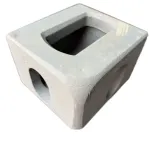
Corner casting steel vs aluminum
Every shipping container in the world — all 40 million of them — rests on eight critical components. Corner castings are the load-bearing blocks at each corner of an ISO shipping container, and they are the universal interface between the container and every crane, twistlock, spreader, and chassis on the planet. When you lift a container, stack it nine high on a ship, or lock it to a truck trailer, every ton of force flows through these fittings.

Construction cabin – selection, tips, dimensions and prices
Every construction project – whether a family house, a development project or a reconstruction – starts with the infrastructure. No construction manager, craftsman or investor who needs an on-site office, a changing room for workers or a safe storage for tools can do without a quality construction cell. But navigating the offer is not easy: residential containers, sanitary cells, storage modules, rental, purchase, refurbished pieces… This guide will give you answers to all the essential questions in one place.
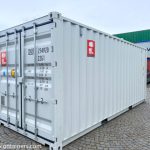
Storage container
A storage container is a lockable steel box designed for the safe and dry storage of materials, tools, goods or equipment. Originally created as a shipping container for maritime transport, its durability and versatility have found their way onto construction sites, corporate premises and private land.
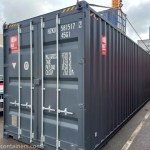
Shipping container 12m (40 ft)
A 12m shipping container is an investment that, if properly selected and cared for, will pay off in decades of trouble-free use. Whether you plan to use it as a warehouse, workshop, garage or the basis for a residential module — the key is careful selection of the condition, a thorough inspection before purchase and high-quality preparation of the base for placement. Take the time to compare offers, check the seller’s references and do not hesitate to personally inspect the container before buying. A properly selected 40-foot container will serve you reliably for many years.