
Port of Naples
The Port of Naples, known in English as the Port of Naples, is one of the most important and historically significant maritime hubs in Italy. It is located on the west coast of Italy in the vibrant city of Naples(Napoli). This port serves as a gateway to the Mediterranean. It is not only a major centre for trade and transport, but also a key point for tourists discovering the cultural heritage of Naples, nearby islands such as Capri and Ischia, or iconic destinations such as Pompeii and the Amalfi Coast.
With its combination of historical significance, bustling activity and scenic beauty, the Port of Naples is a marvel of engineering and history. This glossary offers a detailed overview of its most important aspects, from infrastructure and operations to its fascinating history.
What is the Port of Naples?
The Port of Naples is a natural and artificial harbour covering an area of approximately 408.6 hectares, of which 266 hectares are water and 142.6 hectares are land. It is one of the busiest ports in Italy and the Mediterranean, handling millions of passengers and large volumes of cargo every year and serving as an important terminal for cruise ships. The port is close to the historic centre of Naples, giving passengers easy access to the city’s sights, restaurants and cultural sites.
The port operates several terminals, including facilities for cargo, containers, car transshipment and cruise ships, making it a diverse and versatile maritime hub. The infrastructure includes 70 berths, 1,336,000 square feet of container storage space and an annual capacity of 500,000 TEUs(Twenty-foot Equivalent Units). The shipyard includes three brick docks and four floating docks that play a key role in ship repair and maintenance.
Key elements and infrastructure
1. Cruise Ship Terminal
The cruise ship terminal at the Port of Naples is called Stazione Marittima. This modern facility serves as a central hub for international cruise lines such as Costa Cruises, MSC Cruises and Celebrity Cruises. The terminal is equipped with:
- 10 berths for large cruise ships,
- 7 mobile boarding platforms and 12 computerised check-in counters, ensuring efficient passenger check-in.
The terminal’s strategic location makes it easy to reach the historic centre of Naples, making it an ideal starting point for tourists exploring the city and its surroundings.
2. Beverello Pier
The Beverello Pier is one of the busiest parts of the port. It serves as a departure point for:
- Ferries and hydrofoils heading to nearby islands such as Capri, Ischia and Procida.
- Connections to destinations on the Amalfi Coast such as Sorrento, Positano and Amalfi.
Known for their speed, hydrofoils can often make the journey to Capri in just 40 minutes. The area is a lively hub for tourists and locals alike.
3. Cargo and container operation
The port handles a significant volume of cargo, with annual cargo volumes exceeding 20 million tonnes. The container terminal includes:

- 70 moorings,
- Storage capacity of 1,336,000 square metres,
- Annual capacity of 500,000 TEU(Twenty-foot Equivalent Units).
Key commodities include wood, cellulose and cereals. Dedicated terminals for liquid and bulk commodities, including crude oil and grain, increase the port’s commercial efficiency.
4. Car terminal
The car terminal facilitates the transport of vehicles with:
- Storage capacity for 8,000 cars,
- Transhipment capacity 900,000 units per year.
This terminal plays an important role in connecting mainland Italy with Sicily and other Mediterranean destinations, handling around 700 vehicles a day.
History of the Port of Naples
Greek and Roman origins
The port of Naples has its origins in Greek colonisation in the 9th century BC, when sailors from Rhodes arrived in the area. In the 7th and 6th centuries BC, the settlement of Neapolis(‘new city’) was established here. Under Roman rule, the port became a key centre for trade and maritime operations, consolidating its position as an important Mediterranean hub.
Middle Ages and Renaissance
During the Norman period in the 12th century, the port prospered as a maritime centre and became a member of the Hanseatic League. During the reign of Charles I of Anjou at the end of the 13th century, major expansions took place. The port’s infrastructure was further developed during the Aragonese and Spanish viceroyalties, when new warehouses, storage facilities and fortifications were built.
Bourbon period
The Bourbon period in the 18th century marked a golden age for the Port of Naples. The city became one of Europe’s great capitals and the port was recognised as one of the best equipped and most important in the Mediterranean. In 1818 the “Real Ferdinando I”, the first steam ship in the Mediterranean, was launched here.
World War II and further developments
During the Second World War, the port played a strategic role in the liberation of Naples by the Allies, although it suffered extensive bomb damage. Post-war reconstruction revived its operations and it became a key departure point for Italian emigrants seeking new opportunities in America.
Current activities
Passenger transport
The Port of Naples handles more than 8 million passengers a year, making it an important embarkation point for Mediterranean cruise ships and ferries to nearby islands and coastal destinations.
Hiking and trips
Popular excursions from the port include:
- Pompeii and Herculaneum: Ancient Roman cities preserved by the eruption of Vesuvius.
- Capri, Ischia and Procida: Picturesque islands with stunning landscapes.
- Sorrento and the Amalfi Coast: famous for its scenery and rich culture.
- Vesuvius: an inactive volcano offering an unforgettable tourist experience.
Commercial and industrial operations
The port handles various types of cargo, including RoRo (Roll-on/Roll-off), liquid and bulk cargo, thus supporting the Italian economy.

Transport to and from the port
The port is well connected by road, rail and air, with direct links to Naples International Airport (Capodichino) and Napoli Centrale main station. Public transport options, including metro and buses, provide easy access for travellers.
Culinary experiences around the harbour
Naples is the cradle of pizza and the port area offers some of the best pizzerias in the city, such as Sorbillo and Antica Pizzeria di Matteo. Other local delicacies include sfogliatella, Torta Caprese and authentic Neapolitan espresso.
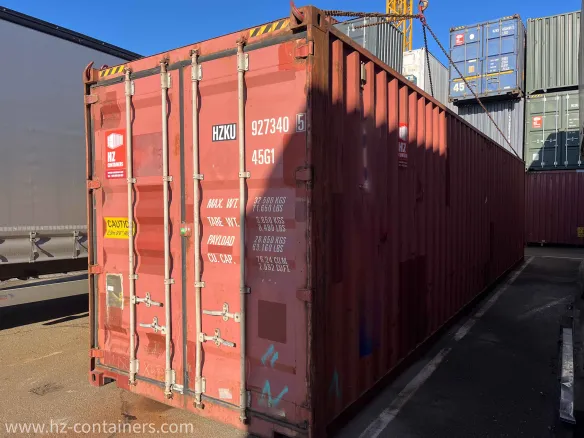
 Czech Republic, Havlíčkův Brod
  FREE SHIPPING


Other container news...
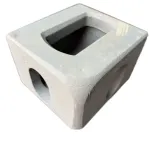
Corner casting steel vs aluminum
Every shipping container in the world — all 40 million of them — rests on eight critical components. Corner castings are the load-bearing blocks at each corner of an ISO shipping container, and they are the universal interface between the container and every crane, twistlock, spreader, and chassis on the planet. When you lift a container, stack it nine high on a ship, or lock it to a truck trailer, every ton of force flows through these fittings.

Construction cabin – selection, tips, dimensions and prices
Every construction project – whether a family house, a development project or a reconstruction – starts with the infrastructure. No construction manager, craftsman or investor who needs an on-site office, a changing room for workers or a safe storage for tools can do without a quality construction cell. But navigating the offer is not easy: residential containers, sanitary cells, storage modules, rental, purchase, refurbished pieces… This guide will give you answers to all the essential questions in one place.
Storage container
A storage container is a lockable steel box designed for the safe and dry storage of materials, tools, goods or equipment. Originally created as a shipping container for maritime transport, its durability and versatility have found their way onto construction sites, corporate premises and private land.
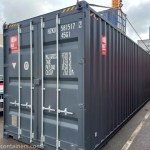
Shipping container 12m (40 ft)
A 12m shipping container is an investment that, if properly selected and cared for, will pay off in decades of trouble-free use. Whether you plan to use it as a warehouse, workshop, garage or the basis for a residential module — the key is careful selection of the condition, a thorough inspection before purchase and high-quality preparation of the base for placement. Take the time to compare offers, check the seller’s references and do not hesitate to personally inspect the container before buying. A properly selected 40-foot container will serve you reliably for many years.