
History of shipping containers
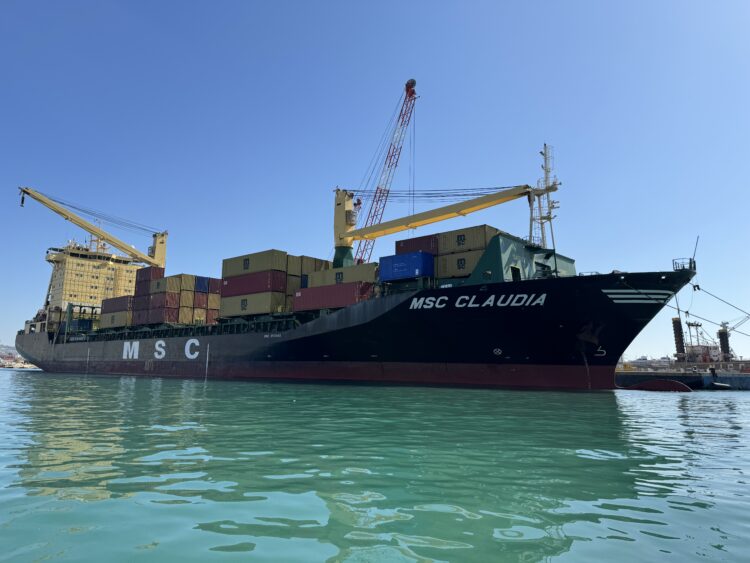
The history of shipping containers dates back to the 1950s and brought a revolution in cargo transportation, contributed to the globalization of trade, and changed the way the world views logistics and transportation.
The first ideas for standardizing cargo transport appeared as early as the 18th century, but the breakthrough came in 1956 when American entrepreneur Malcom McLean introduced the first container ship named „Ideal X“. This ship was equipped with containers of standardized dimensions, which allowed for rapid loading and unloading of cargo using cranes and minimized the time spent handling individual pieces of goods.
HISTORY OF SHIPPING CONTAINERS
In 1961, the International Organization for Standardization (ISO) approved standardized dimensions for cargo containers, enabling quick and simple handling of containers on a global scale. This created a system that allows for easy movement of goods from the place of production to the place of consumption without the need for transshipment from one vehicle to another.
Shipping containers soon became an indispensable part of international trade and logistics. The revolution in cargo transport brought by the introduction of shipping containers enabled mass transportation of goods at lower costs, reduced the time needed for transportation, and increased the safety of cargo.
Today, shipping containers are an essential part of global trade and logistics chains. Their use has permanently changed the world economy by enabling more efficient and cost-effective transportation of goods worldwide.
Other container news...
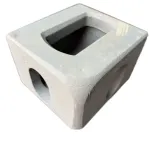
Corner casting steel vs aluminum
Every shipping container in the world — all 40 million of them — rests on eight critical components. Corner castings are the load-bearing blocks at each corner of an ISO shipping container, and they are the universal interface between the container and every crane, twistlock, spreader, and chassis on the planet. When you lift a container, stack it nine high on a ship, or lock it to a truck trailer, every ton of force flows through these fittings.

Construction cabin – selection, tips, dimensions and prices
Every construction project – whether a family house, a development project or a reconstruction – starts with the infrastructure. No construction manager, craftsman or investor who needs an on-site office, a changing room for workers or a safe storage for tools can do without a quality construction cell. But navigating the offer is not easy: residential containers, sanitary cells, storage modules, rental, purchase, refurbished pieces… This guide will give you answers to all the essential questions in one place.

Storage container
A storage container is a lockable steel box designed for the safe and dry storage of materials, tools, goods or equipment. Originally created as a shipping container for maritime transport, its durability and versatility have found their way onto construction sites, corporate premises and private land.
Shipping container 12m (40 ft)
A 12m shipping container is an investment that, if properly selected and cared for, will pay off in decades of trouble-free use. Whether you plan to use it as a warehouse, workshop, garage or the basis for a residential module — the key is careful selection of the condition, a thorough inspection before purchase and high-quality preparation of the base for placement. Take the time to compare offers, check the seller’s references and do not hesitate to personally inspect the container before buying. A properly selected 40-foot container will serve you reliably for many years.