
Grounding Techniques for Metal Containers
Grounding of metal containers, such as shipping containers or other metal structures, is crucial for ensuring safety, preventing electrical hazards and reducing the risk of lightning strikes or static discharge. This glossary provides a detailed overview of concepts, techniques and basic components associated with grounding metal containers. Grounding is especially important for containers used in industrial, residential or storage applications, particularly if these containers contain flammable materials, electrical systems or are exposed to weather conditions.
What is Grounding?
Grounding in the context of electricity and safety means creating a direct electrical connection between a conductive object (such as a metal container) and the earth. This process allows safe dissipation of any electrical charge, whether from lightning, static electricity or electrical system faults, into the ground. Proper grounding minimizes the risks of electrical shock, fires or other hazards caused by stray electrical charges.
Key benefits of grounding metal containers:
- Lightning strike protection: Proper grounding ensures safe discharge of electrical overvoltages caused by lightning into the ground.
- Prevention of static discharge: Grounding prevents the accumulation of static electricity that could ignite flammable materials.
- Electrical safety: Protects users and equipment from faults or stray currents.
- Regulatory compliance: In many industries, grounding is a legal requirement to meet safety standards.
Key Grounding Components
To understand grounding techniques, it is important to familiarize yourself with individual components:
1. Grounding Rod
A grounding rod, typically made of copper or galvanized steel, is driven deep into the ground to provide a low-resistance path for electrical currents.
- Purpose: Serves as the primary point of contact between the container and the ground.
- Depth: The grounding rod is typically driven 1.8 meters (6 feet) or more into the ground depending on soil conductivity.
- Installation: Located near the container and connected by a grounding conductor.
2. Grounding Conductor
The grounding conductor connects the metal container with the grounding rod. It is typically made of copper or other conductive material.
- Thickness: The thickness of the conductor is important (typically #6 AWG or thicker) to handle high electrical loads, such as from lightning strikes.
- Connection: The conductor must be securely connected to both the container and the rod to ensure an uninterrupted conductive circuit.
3. Bonding
Bonding means electrical connection of all conductive parts of the system to ensure they have the same electrical potential. In metal containers, bonding eliminates potential differences between different parts, such as metal panels, support structures or attached equipment.
- Example: Bonding of metal container panels ensures that no part of the container carries a different charge, reducing the risk of electrical shock.
4. Grounding Clamp
A grounding clamp is used to securely connect the grounding conductor to the container and ensures a solid metal connection.
5. Neutral to Ground Connection
For electrical systems inside the container, neutral to ground connection ensures safe discharge of stray electrical currents to the ground. This connection is typically located at the entry point to the electrical system.
Common Grounding Techniques for Metal Containers
There are several grounding techniques for metal containers depending on the specific application, location and environmental conditions. Below are the most commonly used methods:
1. Direct Grounding
If the container is directly on the ground or a conductive surface, it can naturally function as a grounding structure. However, this is only effective if the surface is conductive (e.g., moist soil) and the container is in direct contact with it.
- Advantages: Simple and cost-effective.
- Limitations: Unreliable on non-conductive surfaces, such as asphalt, or if the container is elevated.
2. Rod Grounding
This method involves driving a grounding rod into the ground and connecting it to the container with a grounding conductor.
- Procedure:
- Drive the grounding rod into the ground near the container.
- Attach the grounding conductor to the rod using a clamp.
- Securely attach the other end of the conductor to the metal structure of the container.
- Use: Ideal for containers elevated on blocks, non-conductive surfaces or in areas prone to lightning strikes.
3. Bonding with Other Structures
In some cases, it is necessary to bond the container with other conductive structures, such as solar panel frames or metal poles.
- Example: A shipping container used as a solar battery room can be bonded with solar panel frames and an inverter to ensure safety.
4. Multiple Rods for Larger Containers
For larger containers, multiple grounding rods can be installed and bonded together to increase the efficiency of the grounding system.
- Technique: Use a network or ring of grounding rods connected by conductive conductors around the container.
5. Static Electricity Grounding
When working with flammable liquids or gases, grounding is combined with bonding to prevent static discharge.
- Method:
- Use bonding cables to connect the container to the dispensing or receiving equipment.
- Ensure that all conductive elements are grounded to prevent static charge accumulation.
Special Considerations When Grounding Metal Containers
1. Soil Conductivity
The effectiveness of grounding depends significantly on soil conductivity. Moist, clay soil has better conductivity than sandy or rocky soil.
- Solution for poor conductivity: Use multiple grounding rods or chemically treated rods.
2. Elevated Containers
Containers placed on non-conductive foundations, such as wood or rubber, require a dedicated grounding system.
- Recommendation: Install grounding rods near the foundation and connect them to the container using robust grounding conductors.
3. Grounding in Lightning-Prone Areas
In areas where lightning strikes are frequent, additional measures are necessary:
- Use lightning arresters in combination with the grounding system.
- Ensure that all conductive parts (e.g., antennas, solar panels) are bonded to the container’s grounding system.
4. Grounding of Solar-Powered Containers
Metal containers used as off-grid solar installations must follow specific grounding procedures:
- Ground the solar panel frames, inverters and battery systems.
- Connect all components to a shared grounding rod to ensure equal potential.
Grounding Tools and Kits
Specialized tools are not required to ground a metal container, but the following are essential:
- Grounding kit: Contains a copper grounding rod, grounding conductor, clamps and connectors.
- Hammer or rod driving tool: For driving the rod into the ground.
- Multimeter: For measuring resistance and verifying proper grounding (acceptable resistance is less than 1 ohm).
- Clamps and fasteners: For secure attachment of grounding conductors.

 Czech Republic, Most
  FREE SHIPPING
Other container news...

New sea shipping containers
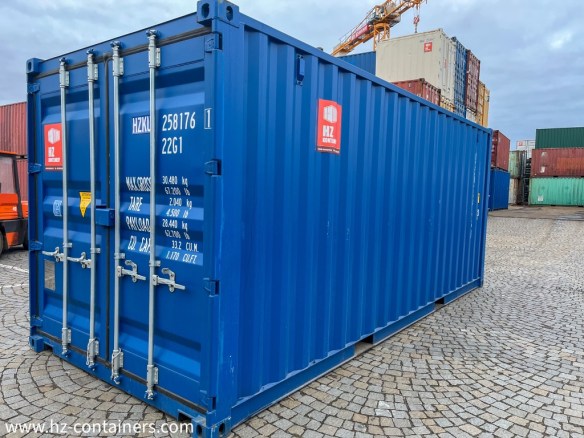
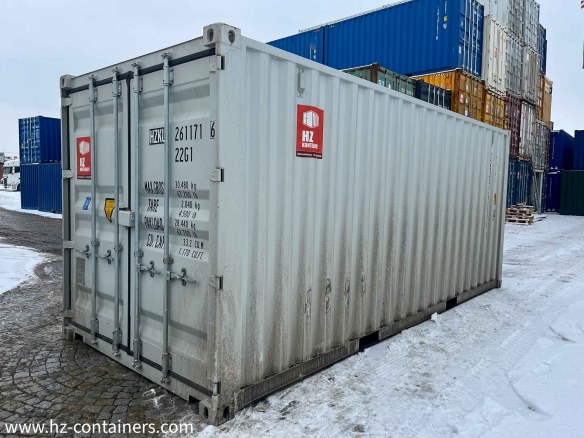
If you are currently considering purchasing a new shipping container, you are not alone. While just twenty years ago containers were used almost exclusively for maritime transport, today they have found their way into construction, storage, business, and even housing. This growing popularity brings with it a host of questions: Which type should you choose? How much does it cost? How do you recognize quality? How can you avoid falling victim to scammers?
New shipping containers
If you are currently considering purchasing a new shipping container, you are not alone. While just twenty years ago containers were used almost exclusively for maritime transport, today they have found their way into construction, storage, business, and even housing. This growing popularity brings with it a host of questions: Which type should you choose? How much does it cost? How do you recognize quality? How can you avoid falling victim to scammers?

6m shipping container
Are you thinking about buying a 6-meter shipping container but aren’t sure what to look for? You are not alone—this 20-foot container is the best-selling size on the Czech market, and the differences between various types, conditions, and prices can be significant. In this guide, you will find everything you need to know: from exact dimensions and a comparison of categories (such as “one-way,” refurbished, and “Cargo Worthy”) to current prices and shipping advice.
Corner casting steel vs aluminum
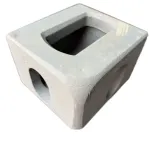
Every shipping container in the world — all 40 million of them — rests on eight critical components. Corner castings are the load-bearing blocks at each corner of an ISO shipping container, and they are the universal interface between the container and every crane, twistlock, spreader, and chassis on the planet. When you lift a container, stack it nine high on a ship, or lock it to a truck trailer, every ton of force flows through these fittings.