
AI artificial intelligence and shipping containers
AI as a revolutionary tool for shipping containers
Artificial intelligence (AI) is becoming a key player in many industries today, and shipping is no exception. These technological advances are delivering innovations that are changing the way the maritime industry operates and offering solutions to some of the biggest challenges facing the industry.
Optimising space and efficiency
One of the main benefits of AI in shipping is optimising the use of space in containers. Companies such as ŠKODA AUTO use advanced algorithms to efficiently arrange pallets in containers, making the most of the available space. Applications such as OPTIKON help automate the loading and arrangement process, reducing the need for human intervention and minimising errors.
Sustainability and decarbonisation
Another important area where AI is making a difference is sustainability. Innovative decarbonisation containers use AI to convert marine emissions into limestone, significantly reducing the environmental burden of shipping. This technological advancement is an important step towards achieving climate neutrality in the maritime industry and supports the wider transition to more sustainable transport methods.
Enhanced safety of maritime routes
Artificial intelligence also plays a key role in securing shipping routes. AI systems can analyse vast amounts of data in real time, identify potential risks and design optimal routes that minimise the likelihood of incidents. This increases the safety of the goods being transported and reduces the costs associated with accidents and losses.
Cost reduction and human error
One of the other benefits of AI in shipping is to reduce operational costs and minimize human error. Automating processes such as route planning and loading leads to increased efficiency and allows companies to better manage their resources. With AI, companies can respond more quickly and accurately to changes in demand and optimize their operations.
The future of shipping with artificial intelligence
Artificial intelligence technologies are developing rapidly in the maritime industry and their potential to transform the industry is huge. From optimising space utilisation, to reducing emissions, to improving safety and efficiency – AI is a revolutionary tool that can bring significant benefits to shipping.
Other container news...
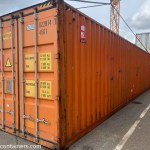
40 Foot High Cube container cost
A 40 foot high cube container — often abbreviated as 40ft HC, 40′ HC, or 40-foot high cube — is one of the most common shipping container sizes sold on the secondary market. But if you are researching what a 40 foot high cube container costs, you have almost certainly noticed that prices are all over the map. One seller quotes $1,500. Another quotes $7,000. Both could be legitimate.
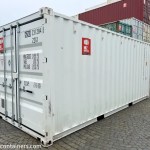
20 Foot container cost
If you have ever searched for a shipping container, you have almost certainly asked one question first: how much does a 20 foot container cost? The answer is not a single number. It is a range that spans from under $1,000 for a weathered, as-is unit to over $5,000 for a pristine, one-trip container — and that is before delivery, site preparation, or modifications enter the picture.
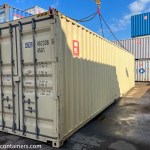
Buy shipping containers
Buying a shipping container means purchasing a standardized steel intermodal box — typically 10, 20, or 40 feet long — for use as ground-level storage, job site equipment housing, cargo transport, or architectural conversion. The right container can last decades. The wrong one can leak, rust through, or fail inspection the day it arrives. This guide covers every step of the process, from understanding what you’re actually buying to inspecting it in person and preparing your site for delivery.

20 Foot shipping container cost
If you are researching the cost of a 20 foot shipping container, you have likely already encountered wildly different prices — from $999 listings online to quotes exceeding $5,500. That range is not a sign of inconsistency. It reflects real differences in container condition, location, delivery logistics, and the seller you are dealing with.