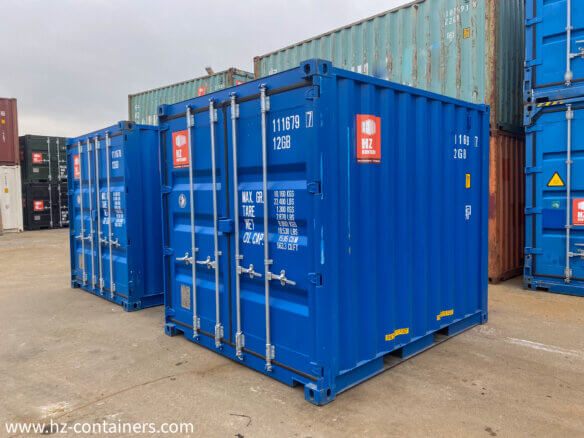
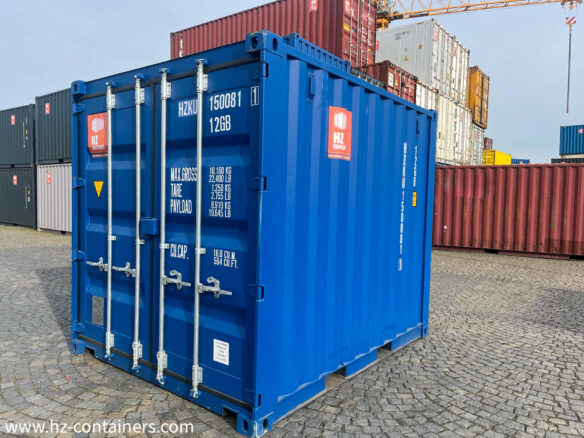
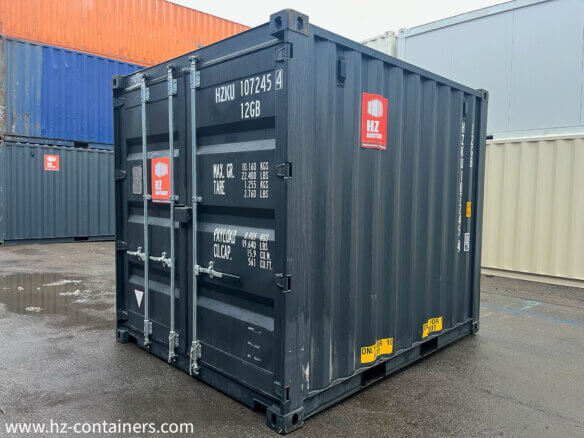
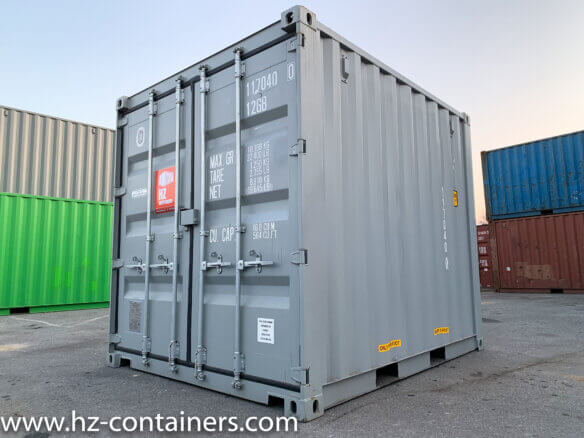
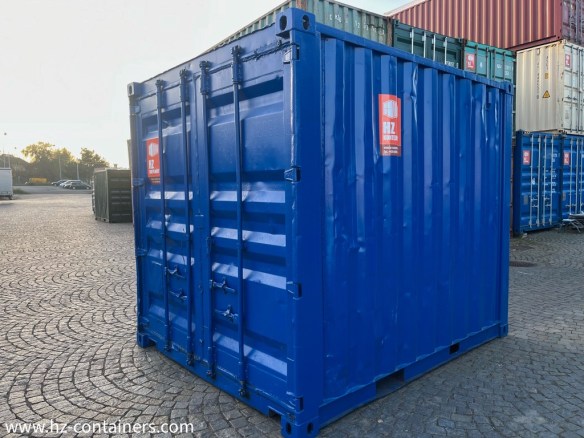
ISO 12GP shipping container
The term “ISO 12GP Shipping Container” refers to a specific type of shipping container that meets the standardized specifications set by the International Organization for Standardization (ISO). These containers play a crucial role in the global shipping industry, ensuring efficient and safe transport of goods across various transportation modes such as maritime, road, and rail transport. This glossary will provide a detailed look at the concept of the ISO 12GP container, its dimensions, characteristics, types, and significance in international trade. In addition, related concepts and terms often associated with ISO containers will be explained.
What is an ISO Container?
ISO containers, commonly known as intermodal containers, are large standardized shipping containers designed to facilitate the transport of goods across various transportation modes without the need to unload and reload the cargo. The standardization of these containers is governed by ISO, ensuring that they meet specific requirements for size, strength, and durability. This standardization is crucial for enabling seamless global trade, allowing for the efficient handling of containers across different transport systems.
Understanding “ISO 12GP”
ISO 12GP Container Dimensions
Although “12GP” is not an officially recognized ISO code, it can be inferred from similar ISO container codes. Generally, “GP” stands for “General Purpose,” which represents the most commonly used type of ISO container in the world. General purpose ISO containers typically have dimensions of 8 feet in width, 8.5 feet in height, and either 20 or 40 feet in length. “12” in “12GP” may indicate a specific modification or variation of these standard shipping container dimensions, although more context is needed since it is not recognized within ISO 6346 standards.

General Purpose (GP) Containers
General purpose containers are highly versatile and can be used for transporting a wide range of goods. These containers are fully enclosed, weather-resistant, and have solid walls, including a solid roof, floor, and sidewalls. Such a design makes them suitable for most types of dry cargo that do not require temperature regulation, supporting a broad range of shipping needs.
Key Features of ISO 12GP Containers
Durability and Construction
ISO containers are known for their robustness and are typically constructed from high-quality steel. They are built to withstand harsh environmental conditions, including extreme weather and rough handling during transport. This durability ensures that goods are protected from damage, theft, and contamination during their journey.
Standardization and Interoperability
ISO standardization allows these containers to be universally accepted and used across different transport systems and countries. This interoperability is crucial for global supply chains, reducing logistical complications and costs associated with shipping goods between different transport modes.
Safety and Securing
ISO containers are equipped with secure locking mechanisms that prevent unauthorized access. They also undergo regular inspections and maintenance to ensure they meet safety standards, thereby protecting the cargo inside.
Types of ISO Containers
ISO containers are manufactured in various types, each designed to meet specific transportation needs. Some common types include:
- Reefer containers: Refrigerated containers used for transporting perishable goods that require temperature regulation, such as food and pharmaceuticals.
- Insulated containers: Designed to protect cargo from temperature fluctuations, insulated containers do not have an active cooling system like reefers but provide passive temperature regulation.
- Open Top containers: These containers have a removable top cover, allowing the transportation of oversized cargo that cannot fit through the standard doors of the container.
- Flat Rack containers: Used for transporting heavy or oversized cargo, flat rack containers have foldable sides, making them ideal for shipping machinery or equipment.
- Tank containers: Specifically designed for transporting liquids, gases, or powders, these containers have a cylindrical tank mounted within a frame.
The Importance of ISO 12GP Containers in International Trade
ISO containers are central to the global shipping industry, facilitating efficient and economical transportation of goods over long distances. Their standardized shipping container dimensions allow for easy stacking and handling, optimizing space utilization on ships, trains, and trucks. This standardization also speeds up the loading and unloading processes, reducing turnaround times at ports and distribution centers.
Related Concepts and Terms
Tank container
Tank container is an ISO container specifically designed for transporting liquid, gaseous, or powdered substances. It consists of a tank mounted within a rectangular frame, ensuring safe and efficient transport of hazardous and non-hazardous materials.
International Organization for Standardization (ISO)
International Organization for Standardization (ISO) is a global entity responsible for the development and publication of international standards across various industries, including specifications for shipping containers.
Serial Number and Check Digit
Each ISO container has a unique serial number for identification, along with a check digit used to verify the accuracy of the container’s number. These identifiers are essential for tracking and managing containers throughout their lifecycle.
Intermodal Container
Intermodal container is a standardized shipping container used across different modes of transportation, such as sea, rail, and road, without unloading the cargo. This seamless transition between transportation modes increases efficiency and reduces handling costs.
Reefer Container
Reefer container is a refrigerated ISO container used for transporting temperature-sensitive goods. It is equipped with an active cooling system that maintains the required temperature throughout transportation.
“ISO 12GP Shipping Container” represents a fundamental element in logistics and the transportation sector, embodying the principles of standardization, efficiency, and versatility. Although the exact specification of “12GP” remains unclear, it likely aligns with the broader category of general-purpose ISO containers. Understanding the characteristics and functions of these containers is essential for businesses involved in international trade, ensuring the safe and efficient movement of goods worldwide. As the global economy continues to grow and evolve, the role of ISO containers in facilitating seamless trade will become even more significant.

 Czech Republic, Třebíč
  FREE SHIPPING