
ISO 1161 Standard
ISO 1161 is a key specification set by the International Organization for Standardization (ISO). It defines the dimensions, functional requirements, and strength specifications for corner and intermediate fittings in Series 1 containers. This standard is essential for the global logistics and shipping industry as it ensures container compatibility across different transport modes, facilitating reliable handling, stacking, and securing.
Key Terms and Concepts
ISO 1161
ISO 1161:2016 is the latest version of the standard, specifying the basic dimensions and functional and strength requirements for corner and intermediate fittings for Series 1 containers. These containers comply with other ISO standards, such as ISO 668 and ISO 1496, except those designed exclusively for air transport under ISO 8323.
Corner Castings
Corner castings are robust, three-hole steel castings placed at the corners of shipping containers. They are critical for the structural integrity and modularity of containers, enabling their lifting, stacking, and securing during transport. Each corner casting is standardized to precise dimensions, ensuring global compatibility with handling equipment.
Cast Steel
Cast steel is the material typically used for manufacturing corner castings due to its strength, durability, machinability, and weldability. Unlike some alloys, cast steel provides the toughness necessary to withstand the various stresses containers are exposed to during transport.
Series 1 Containers
These containers are standardized according to ISO 668 and ISO 1496, providing guidelines for dimensions, ratings, and test protocols. Series 1 containers are the most common type used worldwide and include various types of containers, such as general-purpose, refrigerated, and tank containers.
Intermediate Fittings
Intermediate fittings are additional structural components used in longer containers, such as those over 40 feet, to provide extra support and ensure compatibility with standard handling and securing equipment for containers.
Importance of ISO 1161
ISO 1161 is important for several reasons:
- Global Compatibility: It ensures that all shipping containers, regardless of the manufacturer, can be handled by standard equipment, facilitating international trade and transport.
- Safety and Reliability: By specifying strength and functional requirements, ISO 1161 ensures that containers can safely transport heavy loads and withstand adverse conditions during transit.
- Intermodal Transport: The standard supports seamless transition of containers between different transport modes (e.g., ships, trains, and trucks), which is essential for efficient supply chain operations.
- Stacking and Securing: Standardized corner fittings enable safe stacking of containers, maximizing space utilization on transport vehicles and in warehouses.
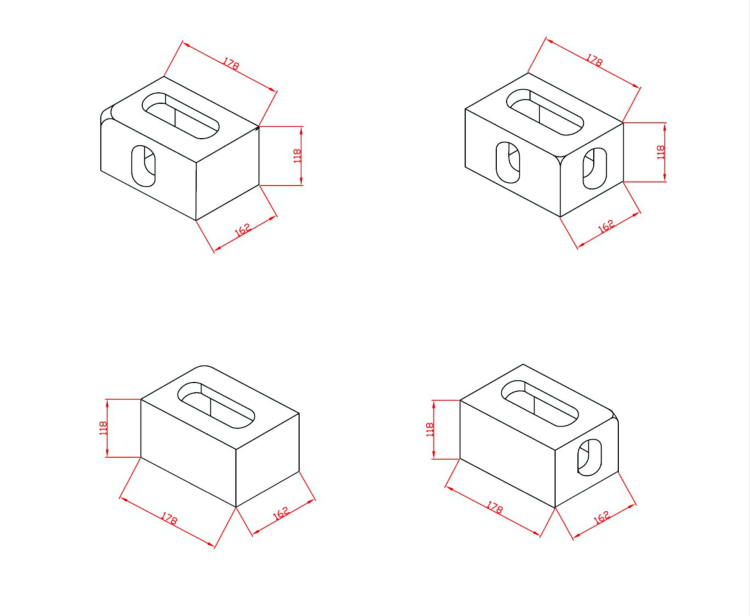
Detailed Specifications
Dimensions
The standard dimensions for corner castings in ISO 1161 are 178 mm x 162 mm x 118 mm. These precise dimensions ensure that the fittings can accommodate standard twist-lock equipment used for securing containers.
Strength Requirements
Corner fittings must withstand various forces they are subjected to during transport, including:
- Stacking Load: The ability to support the weight of other containers stacked on top.
- Lifting Load: The requirement to withstand forces during lifting and handling.
- Longitudinal Restraint: Resistance to forces during rapid acceleration or deceleration.
- Tie-down and Securing: The ability to hold containers in place using tie-down devices.
Material Properties
Material specifications for cast steel used in corner castings include:
- High strength and durability: To withstand high loads and impacts.
- Good weldability: To allow safe attachment to container structures.
- Corrosion resistance: To resist exposure to harsh environments, including marine conditions.
Manufacturing and Quality Assurance
Manufacturing Standards
Manufacturers of corner castings must adhere to strict quality control processes, including:
- Chemical composition: Ensuring the steel used meets established chemical standards.
- Heat treatment: Using appropriate heat treatment processes to increase strength and toughness.
- Non-destructive testing: Conducting tests such as ultrasonic or radiographic inspections to detect internal defects.
Certification
ISO 1161 certification is essential to verify that corner castings meet the required standards. This certification is often required by transport companies and regulatory bodies to ensure safety and compatibility.
Marking
Each corner casting must be marked with identifiers such as the manufacturer’s mark, heat number, and the initials of the classification company. These markings help trace the manufacturing process and ensure accountability.
ISO 1161 is a key standard in the transport industry, providing essential guidelines for the design, manufacture, and use of corner fittings for containers. By ensuring standardization, it enables the efficient and safe movement of goods across global supply chains, supporting the ever-growing demands of international trade.