
Munich
What is a container terminal?
A container terminal is a specialized facility where cargo containers are transferred between different modes of transport, such as ships, trucks, and trains. These terminals play a crucial role in global logistics and trade, enabling the efficient transport of goods over long distances. Container terminals can be located in ports (maritime container terminals) or inland (inland container terminals).
The “Munich Container Terminal” is an inland container terminal located in Munich, Germany. This terminal serves as a key hub for intermodal freight transport, connecting rail, road, and other transport networks in Western Europe. In addition to its primary functions, the terminal utilizes advanced technologies and sustainable practices to improve operational efficiency and minimize environmental impact.
Overview of Munich Container Terminal
Location and Environment
The Munich Container Terminal (also known as DUSS München-Riem) is located in the Trudering-Riem district, the eastern part of Munich in Bavaria, Germany. The terminal is strategically positioned close to major industrial areas and transport corridors, making it an important hub for cargo handling in Germany and Western Europe.
Geographical coordinates: 48°8′39″N, 11°40′43″E
It strategically connects Munich with major maritime ports such as Hamburg and Bremerhaven, as well as international hubs like Rotterdam. This makes it a key link in the global supply chain, facilitating the smooth flow of goods between continents.
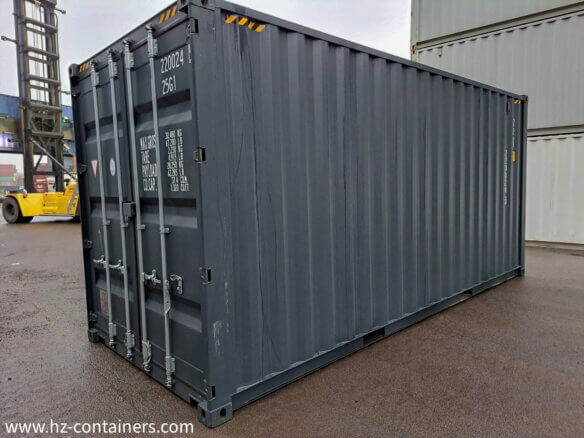
 Munich, Germany
  WITHOUT SHIPPING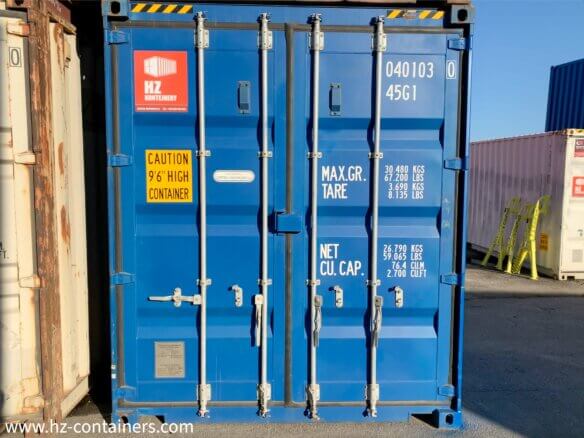
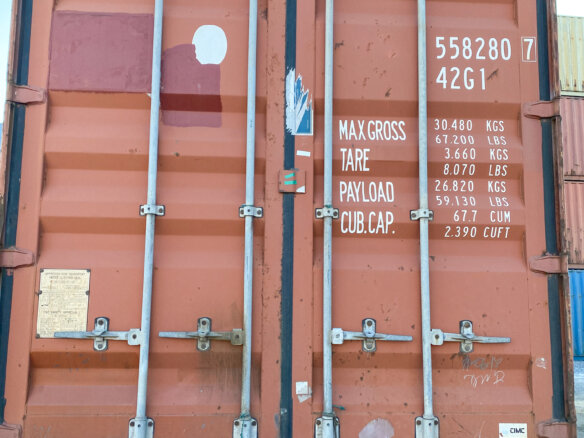
Features of Munich Container Terminal
Infrastructure
The terminal is equipped with state-of-the-art facilities designed for efficient handling of large volumes of cargo:
- Size: The terminal occupies a total area of 100,000 square meters.
- Railway tracks: It has 14 operational tracks, each with a usable length of 700 meters, making a total track length of 9,800 meters.
- Storage capacity: The terminal can simultaneously store up to 1,000 TEU (twenty-foot equivalent units).
- Handling equipment: The terminal is equipped with Rail-Mounted Gantry (RMG) cranes, with a capacity of up to 30 operations per hour.
The infrastructure is designed not only for operational efficiency but also for versatility. The terminal handles standard containers as well as specialized cargo such as refrigerated containers (reefers), oversized goods, and dangerous materials. These facilities align with global trends in terminal technologies, such as larger container areas and advanced crane systems capable of handling heavy and oversized cargo.
Cranes and Cargo Handling
At the core of the terminal’s operations are its cranes, which enable the loading and unloading of containers between railway wagons, trucks, and storage areas. These cranes can handle heavy and oversized loads, ensuring efficient transport of goods.
Key crane specifications:
- Number: 2 cranes
- Handling speed: 15 containers per hour per crane
- Type: Rail-Mounted Gantry (RMG) cranes
These cranes are equipped with the latest technologies, ensuring precision and safety during operation. They are monitored and controlled using advanced software systems, minimizing human error and maximizing throughput.
Intermodal Transport Capabilities
The terminal is an important link in the intermodal transport network, enabling smooth transitions between:
- Rail transport: Daily rail connections to German ports (e.g., Hamburg and Bremerhaven) and international hubs (e.g., Rotterdam). This reduces reliance on road transport, lowering carbon emissions and improving logistical efficiency.
- Road transport: Trucking services for the last mile of delivery and repositioning of empty containers.
- Special cargo handling: Facilities for dangerous materials, temperature-sensitive goods, oversized cargo, and even live animals.
These capabilities not only enhance the terminal’s functionality but also its resilience and adaptability to the needs of various industries, such as automotive, pharmaceutical manufacturing, and consumer goods.
Environmental Aspects
The terminal operates with an emphasis on sustainability and reducing carbon emissions, particularly by prioritizing rail transport over road transport. Its operations comply with European environmental standards and incorporate eco-friendly technologies such as energy-efficient cranes and LED lighting systems.
Through its sustainable practices, the terminal serves as a model for environmentally friendly logistics, contributing to the EU’s goal of reducing greenhouse gas emissions in the transport sector.
Services Offered at Munich Container Terminal
Import and Export Handling
The Munich Container Terminal plays a key role in handling import and export goods:
- Export services:
- Receipt of export cargo in the docking area.
- Secure fastening and protection of cargo from adverse weather.
- Sorting of cargo according to the shipping manifest and preparation for transport.
- Import services:
- Collection of shipping documents from incoming rail or road shipments.
- Sorting and secure storage of incoming cargo.
- Sending confirmation of receipt to customs authorities and carriers.
Handling of Dangerous Goods
The terminal is certified for handling dangerous goods (DG) in accordance with international safety standards, such as those of the International Air Transport Association (IATA) and the International Civil Aviation Organization (ICAO). Specific facilities are available for materials classified as dangerous, including radioactive material.
Facilities for Special Cargo
The terminal offers specialized storage and handling for:
- Refrigerated goods: Temperature-controlled storage for perishable goods.
- Valuable goods: Secure rooms for high-value shipments.
- Animals: Special areas for the transport of live animals.
These services are complemented by advanced tracking systems, ensuring that all cargo is accounted for and handled with maximum care.
Operational Information
Opening Hours
- Monday to Friday: 00:00 – 23:59
- Saturday: 00:00 – 13:00
- Sunday and public holidays: Closed
Extended operating hours and flexible schedules ensure timely cargo handling to meet the needs of global shipping lines.
Significance of Munich Container Terminal
Strategic Role in Western Europe
The Munich Container Terminal is a key logistics hub in Western Europe, connecting inland transport networks with major ports. Its location in Munich, one of Germany’s most important industrial centers, ensures its significance in supply chains.
Support for the German Economy
Germany is the largest economy in Europe and a leading exporter of goods. The Munich Container Terminal facilitates the transport of goods across the country and beyond its borders, supporting industries such as automotive, pharmaceuticals, and consumer goods.
Improving Supply Chain Efficiency
By integrating rail and road transport, the terminal reduces transport costs and shortens transit times. Its advanced infrastructure ensures smooth container handling, contributing to the efficiency of global supply chains.
Frequently Asked Questions (FAQ)
What type of goods can be handled at Munich Container Terminal?
The terminal handles a wide range of goods, including standard containers, refrigerated cargo, dangerous materials, and oversized shipments.
How does the terminal contribute to sustainability?
The terminal prioritizes rail transport, which has a lower carbon footprint compared to road transport. Its operations comply with European environmental standards.
Can the terminal handle customs clearance?
Yes, the terminal is equipped to process customs documents and inspections, ensuring compliance with international trade regulations.
What is the terminal’s capacity in TEU units?
The terminal has a storage capacity of 1,000 TEU and an annual transshipment capacity of approximately 400,000 TEU.
The Munich Container Terminal is a cornerstone of Germany’s logistics infrastructure, providing efficient and sustainable cargo handling solutions. With its advanced facilities, strategic location and commitment to environmental sustainability, the terminal plays a key role in connecting Western Europe to global trade networks.