
Bratislava – Slovakia Container Depot
A container depot is a key element of modern logistics and goods transportation in Bratislava and worldwide. It is a specialized facility that ensures safe storage, maintenance, and management of shipping containers – both empty and loaded. In the global logistics industry, container depots serve as an essential node in the supply chain, ensuring the smooth flow of goods between ports, rail hubs, and distribution centers.
What is the exact definition of a container depot?
A container depot (Container Depot) is a secure, professionally managed facility providing comprehensive storage and logistics services for shipping containers. These depots are strategically located near ports, rail hubs, or main transport corridors to facilitate the efficient movement of containers between different modes of transport – ships, trains, and trucks.
Key characteristics of a container depot include:
- Secure storage – space for empty or temporarily unused containers
- Maintenance and repairs – cleaning, inspection, and renovation of damaged units
- Logistics coordination – efficient management of container movement in the supply chain
- Customs and documentation services – support with customs clearance and administrative procedures
- Cargo consolidation – combining goods from multiple shippers for optimal transport
What role does the container depot in Bratislava play in European logistics?
Bratislava, as the capital of Slovakia, is located in the heart of Europe and represents an ideal location for a container depot. The city is strategically situated on the Danube and close to major European transport corridors, making it an important logistics hub for the entire region.
The container depot in Bratislava performs the following functions:
- Connection between inland and maritime routes – the Danube enables shipping, which connects here with land transport
- Regional distribution center – services for the whole of Central Europe
- Modern technology – Bratislava depots are equipped with the latest systems for container tracking and management
- Job opportunities – creating hundreds of jobs in the logistics sector
In April 2026, the construction of the most modern depot in Slovakia was officially launched, which will bring approximately 100 new jobs and increase storage capacity in the region.
What are the main functions of a container depot?
Container Storage
Storage is one of the most important functions of a container depot. After the goods are delivered, empty containers are returned to the depot, where they are stored until needed for further transport. Depots also keep containers with cargo before they are shipped to their final destination. Inventory management in the depot is critical – supply and demand for containers in different regions must be optimized to prevent shortages or unnecessary overcapacity.
Container Maintenance and Repairs
Container depots carry out thorough inspections of structural condition, looking for leaks, damage, and other issues. Maintenance includes:
- Cleaning containers
- Repainting and protective coatings
- Replacement of components (doors, gaskets, floors)
- Renovation and modernization
- Special service for refrigerated containers (reefers)
All repairs must comply with international ISO standards and other regulations to ensure transport safety.
Cargo Consolidation and Deconsolidation
The depot allows combining goods from multiple shippers into fewer containers (Less than Container Load – LCL) for more efficient and cheaper transport. This process is called consolidation and represents significant cost savings for small and medium-sized businesses.
Customs and Administrative Services
Container depots in Bratislava provide support with customs clearance, documentation, and administrative procedures. This service is particularly important for international trade and facilitates the smooth passage of goods across borders.
What is the difference between a container depot and other logistics facilities?
| Type of Facility | Primary Function | Location | Target Goods |
|---|---|---|---|
| Container Depot | Storage, maintenance, and management of containers | Near ports and railways | Shipping containers (TEU, FEU) |
| Distribution Center | Sorting and distribution of goods | Urban peripheral zones | Individual packages and products |
| Warehouse | Long-term storage | Industrial zones | Diverse goods |
| Port | Loading and unloading ships | Port area | Ship cargo |
| Rail Terminal | Loading/unloading trains | Rail hub | Cargo on rails |
A container depot differs from traditional warehouses in that it focuses specifically on managing containers as units and integrating them into the global supply chain.
What are practical examples of container depot use?
Example 1: International Trade
A German car manufacturer exports parts to Asia. The containers are loaded in Bratislava, shipped by river along the Danube to Rotterdam, then by sea to Shanghai. After unloading, the empty containers are returned to the depot in Bratislava for maintenance and reuse.
Example 2: Regional Distribution
A Czech e-shop orders goods from China. The container arrives in Bratislava, where it is deconsolidated in the depot – the goods are distributed among individual stores in the Czech Republic and Slovakia. This way, transport costs are reduced.
Example 3: Refrigerated Containers
A Slovak food company exports frozen food. Refrigerated containers (reefers) are stored in the depot with access to electrical power to maintain the temperature. The depot ensures their maintenance and inspection of cooling systems.
Example 4: Seasonal Capacity Increase
During the Christmas season, the volume of transport increases. The container depot in Bratislava increases capacity and ensures that containers are available for all carriers.
What are the future trends in container depots?
Digitalization and Automation
Modern container depots in Bratislava and other cities are increasingly digitalized. Real-Time Tracking systems allow carriers to see the exact location and status of their containers. Automated container handling systems increase efficiency and reduce human errors.
Environmental Sustainability
Depots focus on reducing emissions and improving energy efficiency. Solar panels, electric forklifts, and more environmentally friendly container cleaning technologies are used.
Capacity Expansion
With the growing volume of e-commerce and global trade, container depots are also expanding. Bratislava is becoming one of the most important logistics centers in Europe, and new depots are being built to meet growing demand.
Integrated Logistics
The future belongs to integrated logistics solutions, where container depots are connected to distribution centers, warehouses, and carriers through a unified digital platform.
Green Containers
Development of more environmentally friendly containers made from recycled materials and with lower weight, which reduces emissions during transport.
Frequently Asked Questions about Container Depots
How long can a container be stored in a depot?
The storage time varies depending on the contract with the carrier. Usually, empty containers are stored from a few days to a few weeks. Longer-term storage may be associated with additional storage fees.
What are the costs of storage in a container depot?
Costs vary according to:
- Type of container (20 foot – TEU, 40 foot – FEU)
- Storage time
- Depot location
- Additional services (maintenance, cleaning, repairs)
In Bratislava, the daily storage fee ranges from 5 to 20 euros per container, depending on conditions.
Can I store a loaded container in the depot?
Yes, but with limitations. Loaded containers are usually stored only temporarily, while waiting for transport or customs clearance. Long-term storage of loaded containers is not common and is more expensive.
How is security handled in a container depot?
Modern depots in Bratislava have:
- 24/7 security guard
- Camera system with recording
- Lighting of the entire area
- Fencing and controlled entries
- Access system with identification
What are the environmental impacts of a container depot?
Container depots can have an environmental impact, but modern facilities focus on minimizing:
- Emissions from handling vehicles
- Water consumption during cleaning
- Energy consumption
- Waste production
The Bratislava depot, which was launched in 2026, focuses on ecological operations and minimizing carbon footprint.
How are containers marked and tracked?
Each container has:
- Identification number (BIC) – unique owner code and serial number
- RFID chip – for automatic tracking
- GPS tracking – in some cases for location tracking
- Photographic documentation – of condition and contents
What qualifications do workers in a container depot need?
Depot workers need:
- Occupational safety training
- Certification to operate forklifts
- Knowledge of international ISO standards
- Language skills (English, German)
- Certifications in logistics and transport
Are there special depots for certain types of containers?
Yes. There are specialized depots for:
- Refrigerated containers (reefers) – with electrical power supply
- Containers with dangerous goods – with special safety measures
- Open-top containers – for transport of tall goods
- Flat-rack containers – for transport of machinery and heavy goods
What are the international standards for container depots?
Container depots must comply with:
- ISO 6346 – container identification and marking system
- ISO 1496 – container specifications for transport
- ISO 9001 – quality management systems
- Local legal regulations – in each country where the depot operates
How does a container depot differ from a port?
| Aspect | Container Depot | Port |
|---|---|---|
| Primary Function | Storage and maintenance | Loading/unloading ships |
| Equipment | Forklifts, cleaning equipment | Cranes, loading equipment |
| Location | Near ports, railways | Directly on water |
| Length of Stay | Longer (days to weeks) | Short (hours to days) |
| Personnel | Maintenance workers, warehouse keepers, administrators | Sailors, handlers |
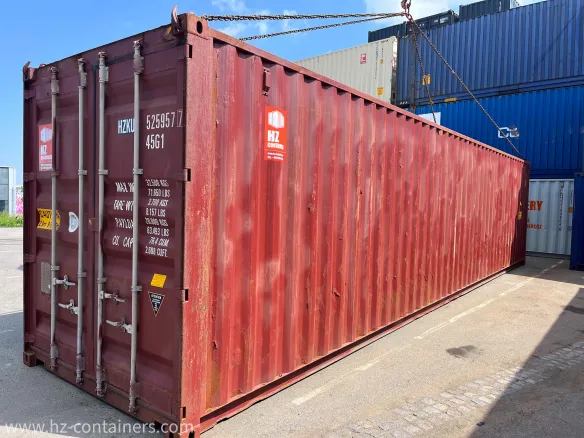
 Bratislava, Slovakia
  WITHOUT SHIPPING

