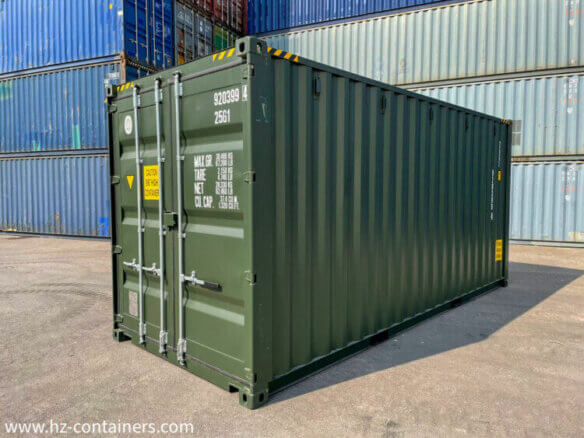
Metal Container Insulation Techniques
Metal Container Insulation Techniques refer to the methods and materials used for thermal insulation, soundproofing, and improving the functionality of metal shipping containers. These techniques are essential for maintaining stable internal temperatures, reducing energy consumption, and preventing structural damage caused by condensation. Insulation transforms metal containers into habitable, efficient, and durable spaces suitable for various purposes, including homes, offices, storage units, and specialized facilities.
Metal containers, typically made of steel, are highly conductive to both heat and cold. Without insulation, they are susceptible to extreme temperature fluctuations—overheating in summer and freezing in winter. Insulating these containers not only improves their energy efficiency but also addresses issues such as moisture accumulation, noise reduction, and fire resistance.
Why is Metal Container Insulation Important?
- Thermal Regulation: Insulation helps stabilize internal temperatures, making containers suitable for living or working regardless of external climate.
- Energy Efficiency: Proper insulation reduces the need for constant heating or cooling, significantly lowering energy consumption and utility bills.
- Condensation Prevention: By creating a thermal barrier, insulation prevents condensation formation, limiting the risk of rust, mold, and damage to stored items or internal surfaces.
- Noise Reduction: Materials such as mineral wool and spray foam absorb sound, making the interior quieter and more comfortable.
- Fire Resistance: Some insulation materials, such as mineral wool, are non-flammable, increasing the safety of the structure.
- Extended Lifespan: Insulation protects the container from structural damage caused by extreme temperatures and humidity.
Common Insulation Materials for Metal Containers
The selection of the right insulation material depends on the intended use of the container, climate, and budget. Here are some of the most popular materials:
1. Spray Foam Insulation
- What it is: A high-performance material that is sprayed directly onto the interior surfaces of the container, expanding and filling gaps to create an airtight seal.
- R-value: High (R-6 per inch).
- Advantages:
- Excellent thermal insulation and airtightness.
- Functions as a vapor barrier and resists mold and moisture.
- Durable with a lifespan of up to 80 years.
- Does not require structural frames, saving interior space.
- Disadvantages:
- Expensive and requires professional installation.
- May require additional finishing for aesthetics.
2. Mineral Wool
- What it is: Made from melted rock or slag, it offers thermal insulation, acoustic, and non-flammable properties.
- R-value: Medium to high (R-13 for walls, R-26 for ceilings).
- Advantages:
- Non-flammable and water-resistant.
- Excellent sound insulation.
- Long lifespan.
- Disadvantages:
- Requires structural frames for installation.
- Slightly more expensive and more difficult to install.
3. Fiberglass Insulation
- What it is: A traditional material made from fine glass fibers, available in mats or rolls.
- R-value: Medium (R-13 to R-19).
- Advantages:
- Affordable and widely available.
- Easy installation with structural frames.
- Disadvantages:
- Susceptible to moisture absorption, leading to mold formation.
- Requires a vapor barrier and may settle over time.
4. Styrofoam (Polystyrene) Panels
- What it is: Solid panels of expanded or extruded polystyrene, which are glued directly to the container walls.
- R-value: Low to medium (R-4 per inch).
- Advantages:
- Lightweight and easy to install.
- Cost-effective for basic insulation needs.
- Disadvantages:
- Lower thermal resistance compared to other materials.
- Best suited for non-residential spaces, such as storage containers.
5. Reflective or Radiant Barrier Insulation
- What it is: A thin material with a foil surface designed to reflect radiant heat.
- R-value: Variable depending on installation and air gap.
- Advantages:
- Effective in hot climates for heat reduction.
- Lightweight and easy to install.
- Disadvantages:
- Ineffective in cold climates.
- Does not offer soundproofing or fire resistance.
Key Installation Techniques
Interior Insulation
- Overview: Applied to interior walls, ceiling, and floor. This method is common because it protects the insulation from external elements.
- Advantages:
- Easy installation and maintenance.
- Provides additional soundproofing.
- Disadvantages: Slightly reduces interior space.
Exterior Insulation
- Overview: Insulation is applied to the exterior of the container and covered with cladding.
- Advantages:
- Preserves interior space.
- Protects the steel exterior from weather elements.
- Disadvantages:
- More expensive and labor-intensive.
- Requires durable, weather-resistant cladding.
Floor and Roof Insulation
- Floor: Often insulated with foam boards or spray foam under or between floor joists.
- Roof: Insulated with spray foam, solid panels, or green roof for enhanced thermal performance.
Eco-Friendly Insulation Options
- Sheep’s Wool: Renewable, biodegradable, and naturally insulating.
- Cellulose: Made from recycled paper, treated for fire resistance.
- Cork: Sustainable with good thermal and acoustic properties.
- Green Roofs: Layers of soil and plants for natural insulation.
Applications of Insulated Containers
- Homes: Insulation ensures comfort and energy efficiency in shipping container homes.
- Offices: Materials such as mat insulation improve soundproofing and comfort.
- Storage Units: Styrofoam panels are suitable for temperature-sensitive goods.
- Specialized Facilities: Spray foam is ideal for airtight, waterproof protection.
- Studios/Workshops: Mat insulation with vapor barriers provides a cost-effective solution.
Conclusion
Metal container insulation is a crucial step in maximizing their functionality, comfort, and energy efficiency. Proper insulation transforms basic steel boxes into habitable, versatile spaces that meet various needs while minimizing environmental impact and operating costs.
 Czech Republic, Třebíč
  FREE SHIPPING