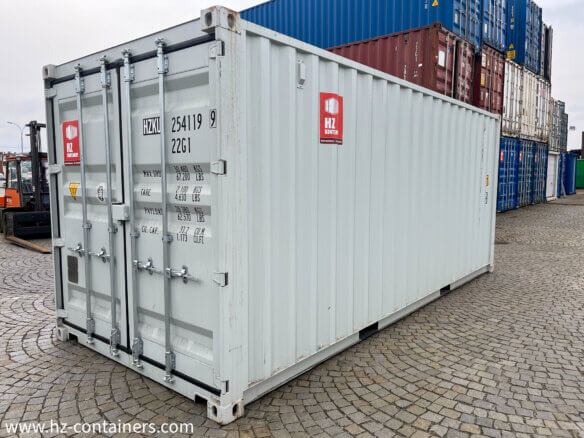
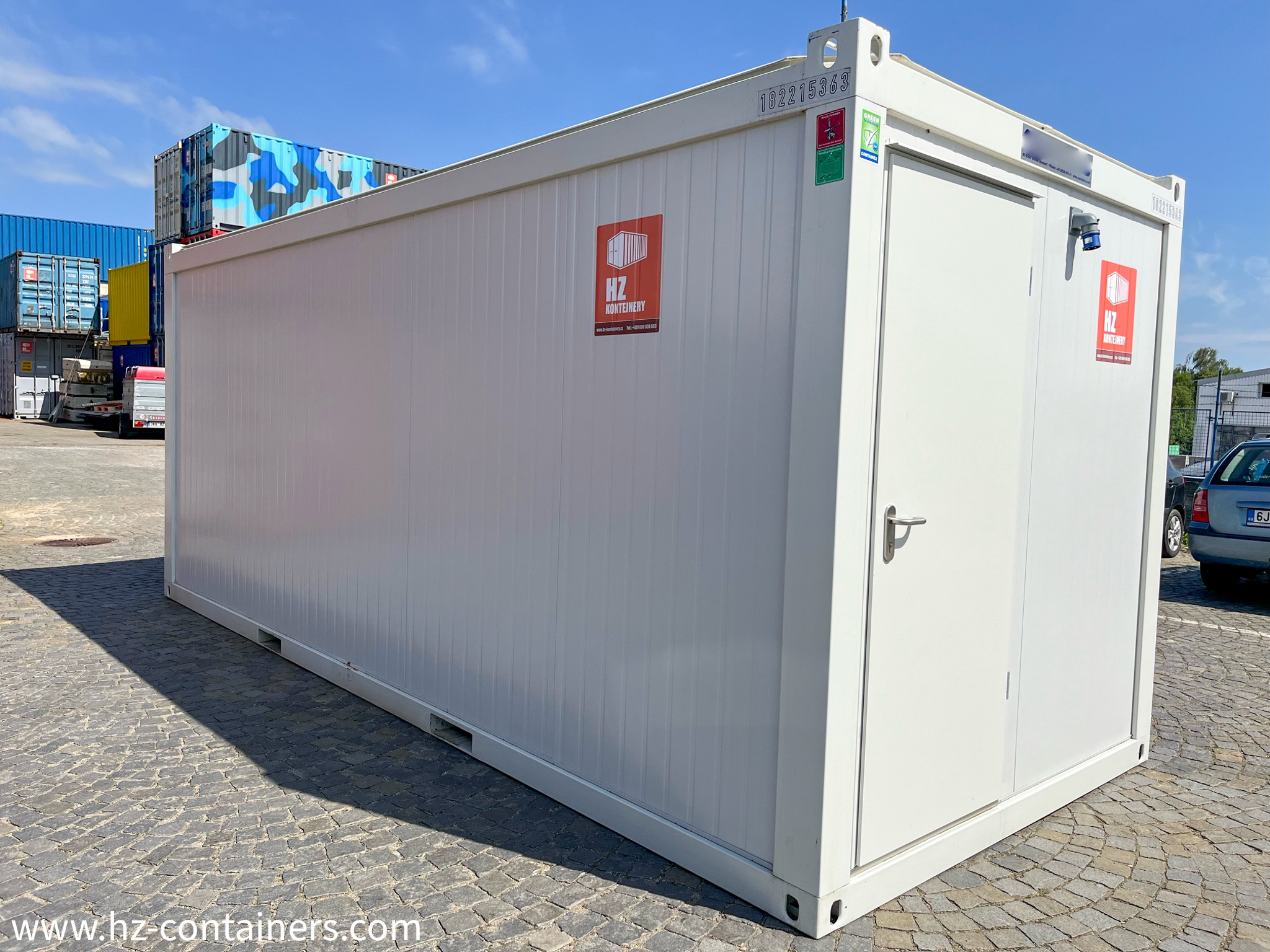
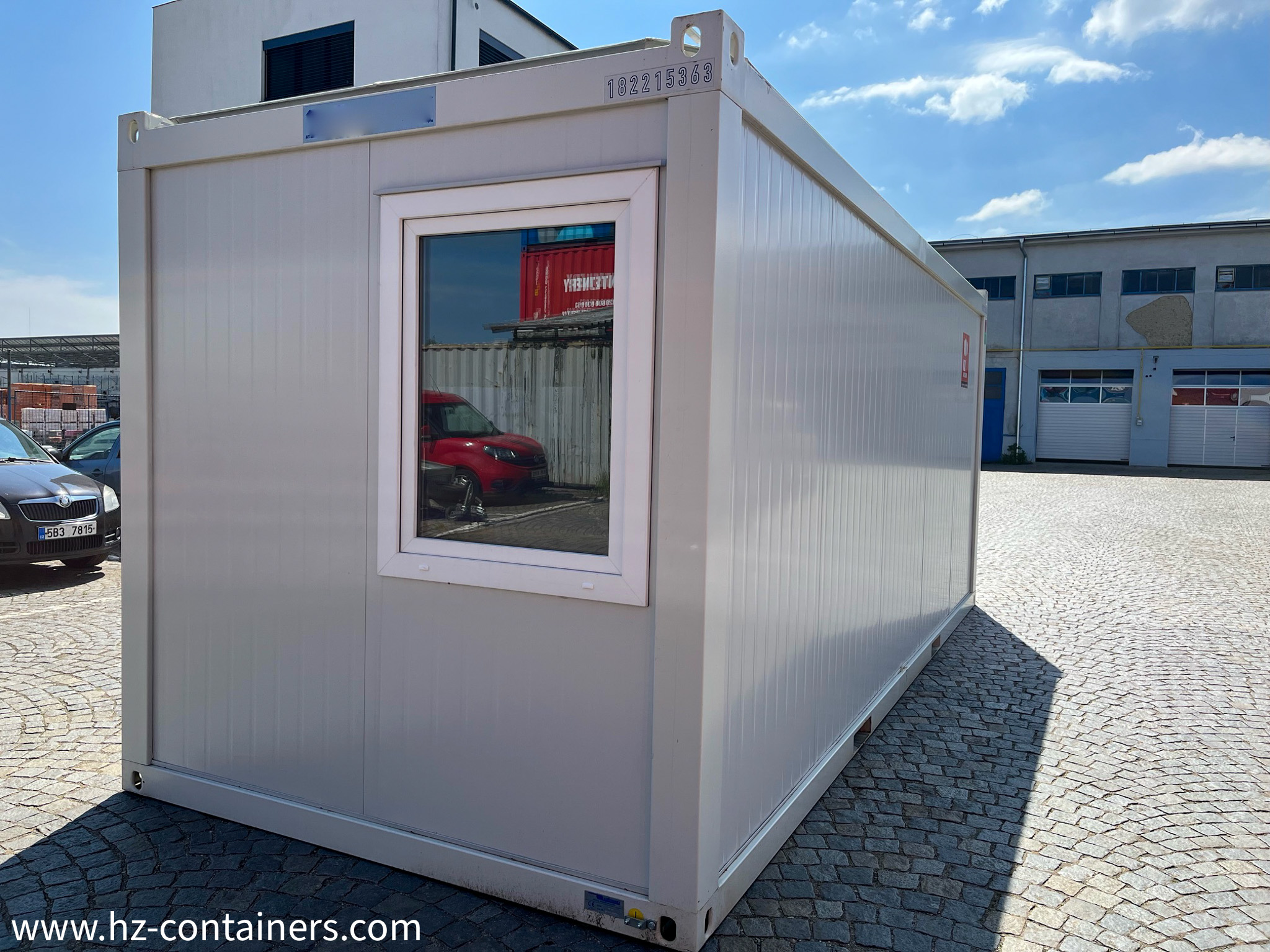
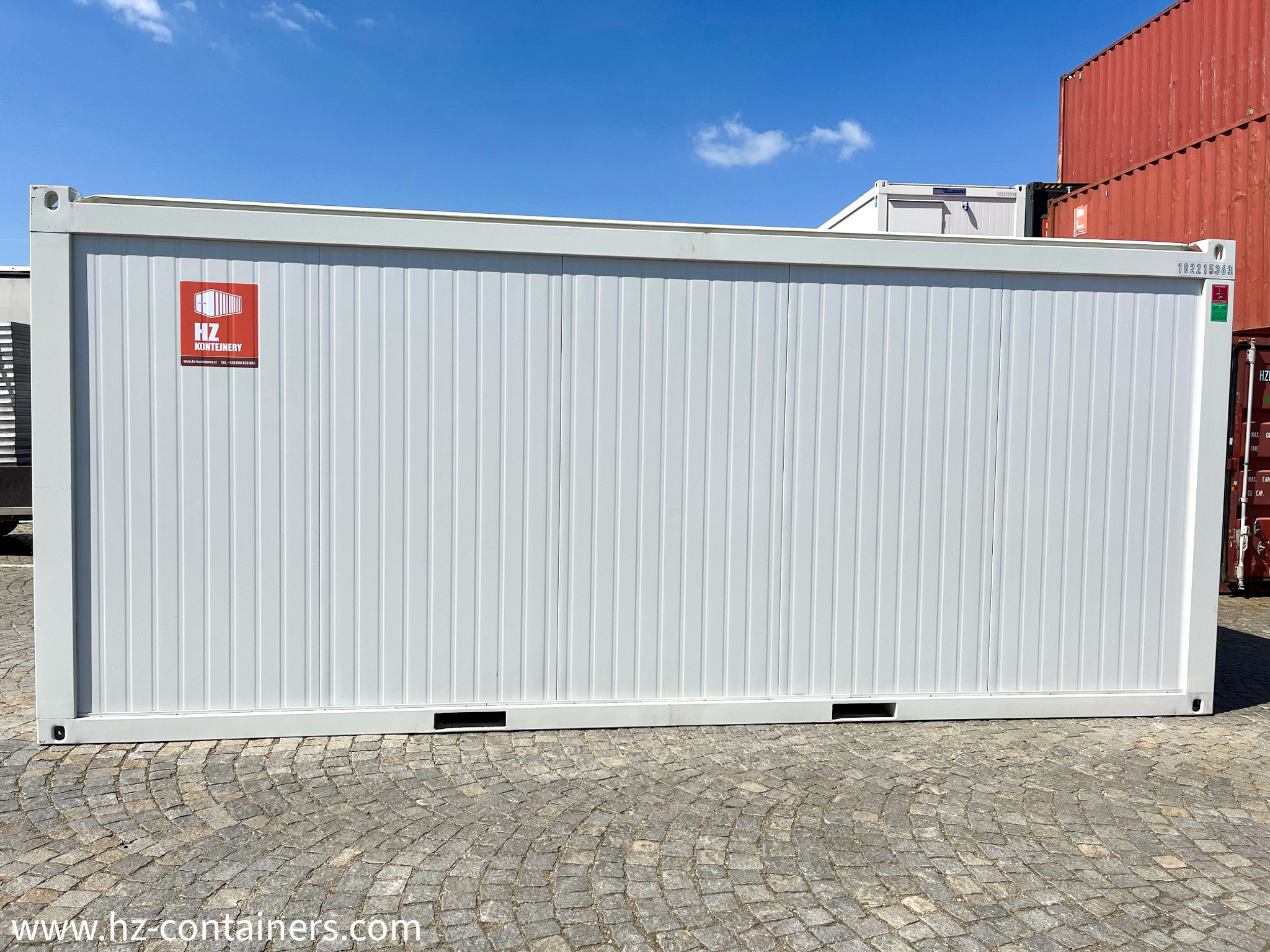
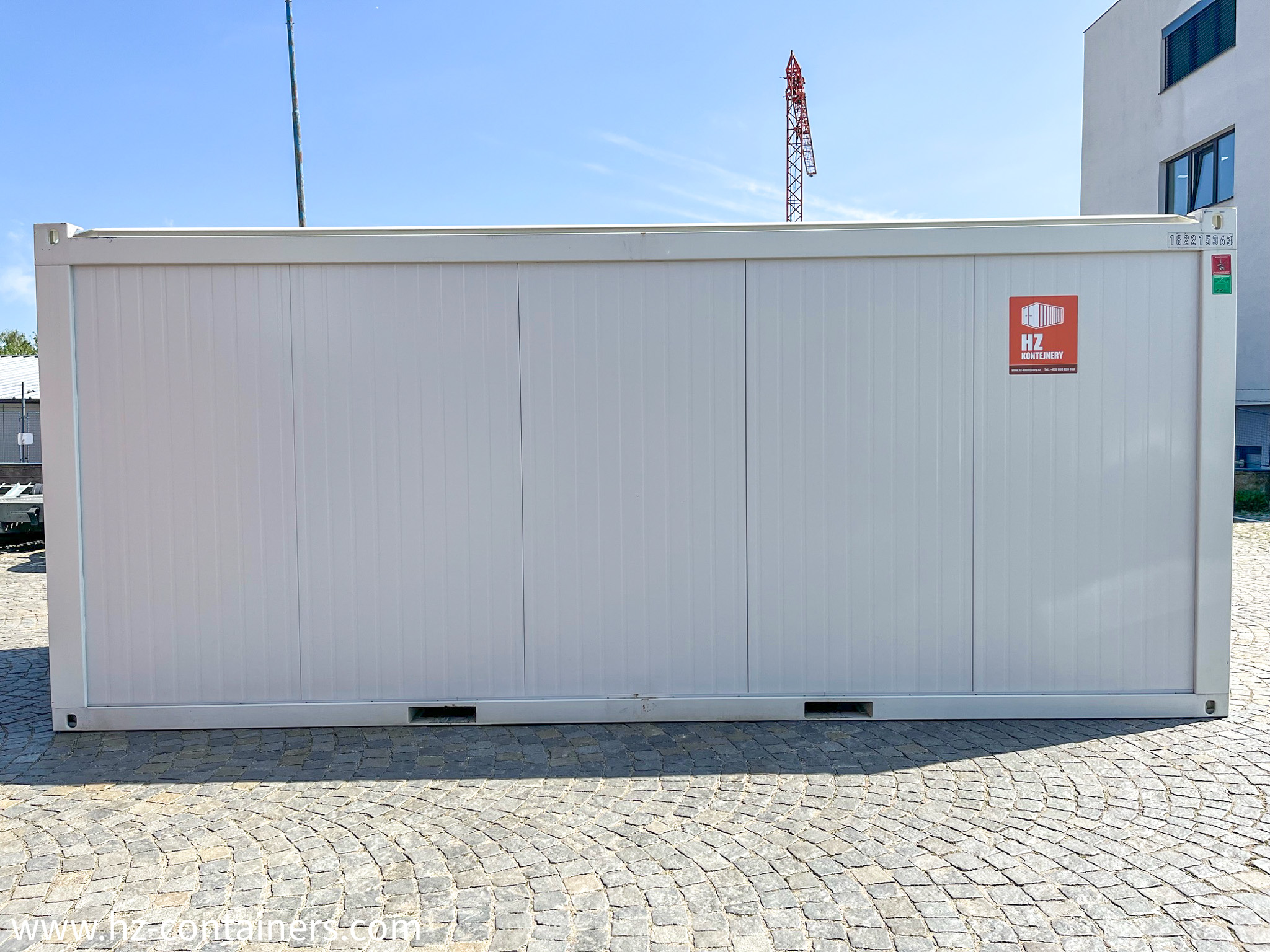
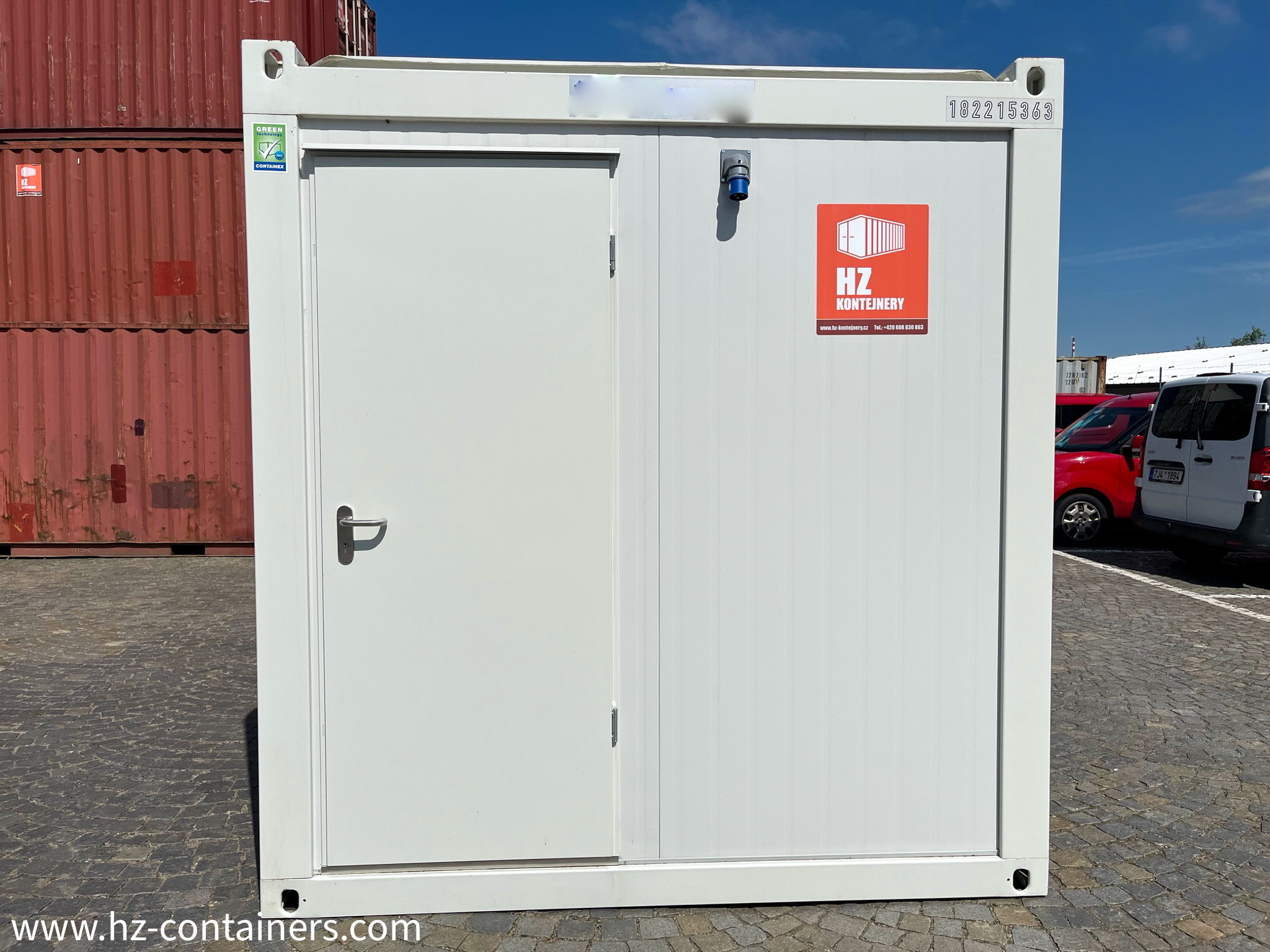
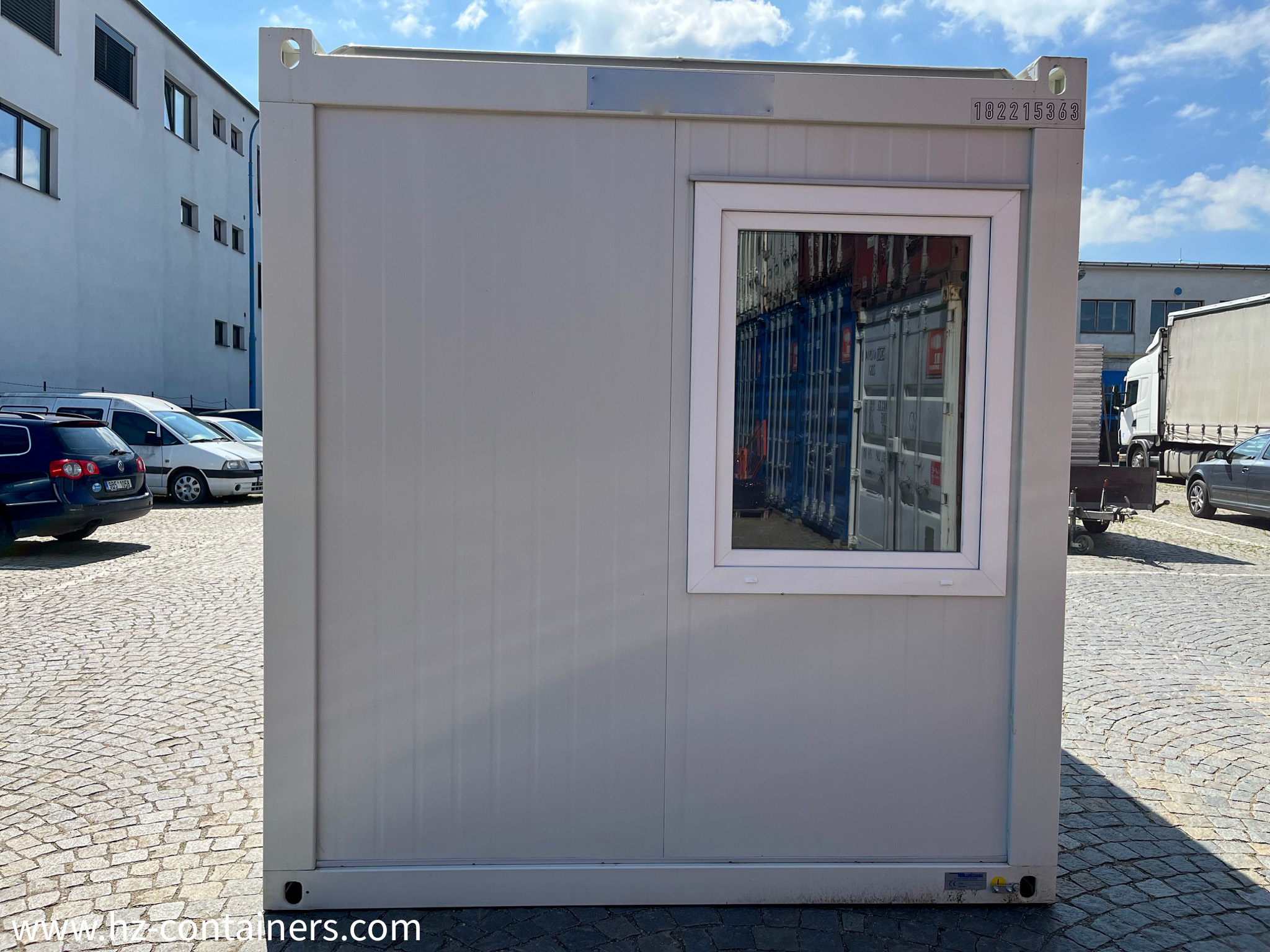
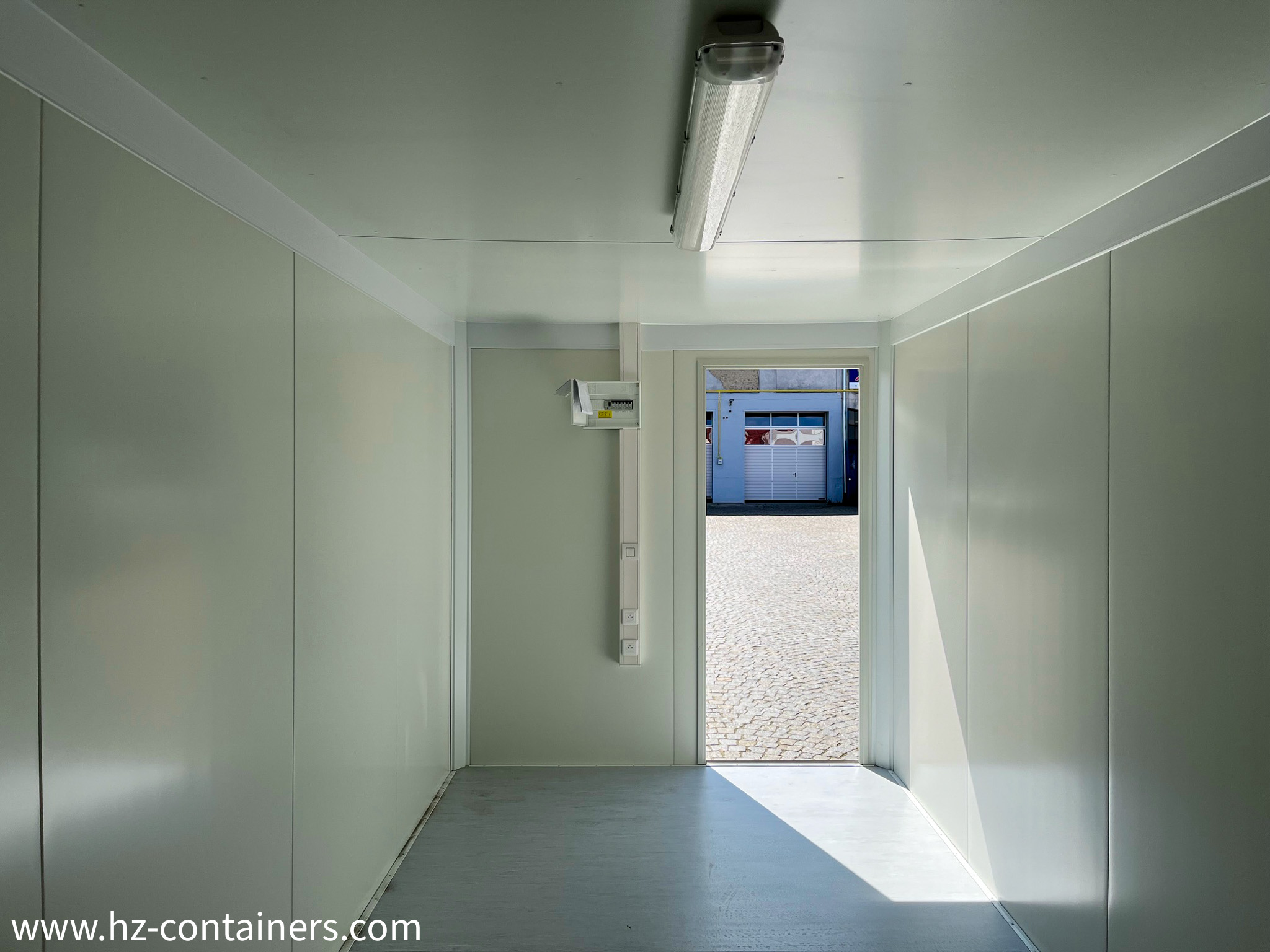
Building bay, 182 215 363
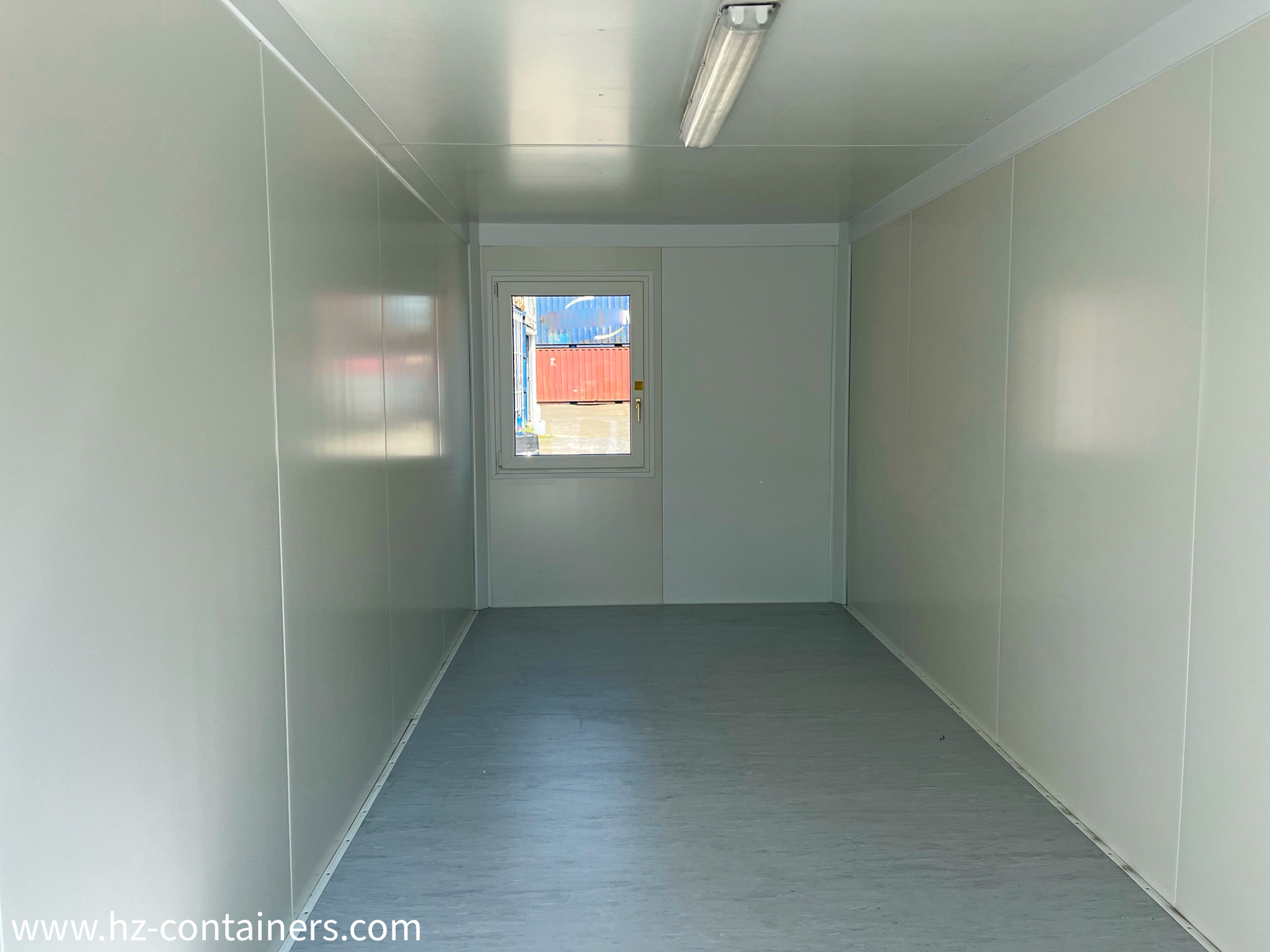
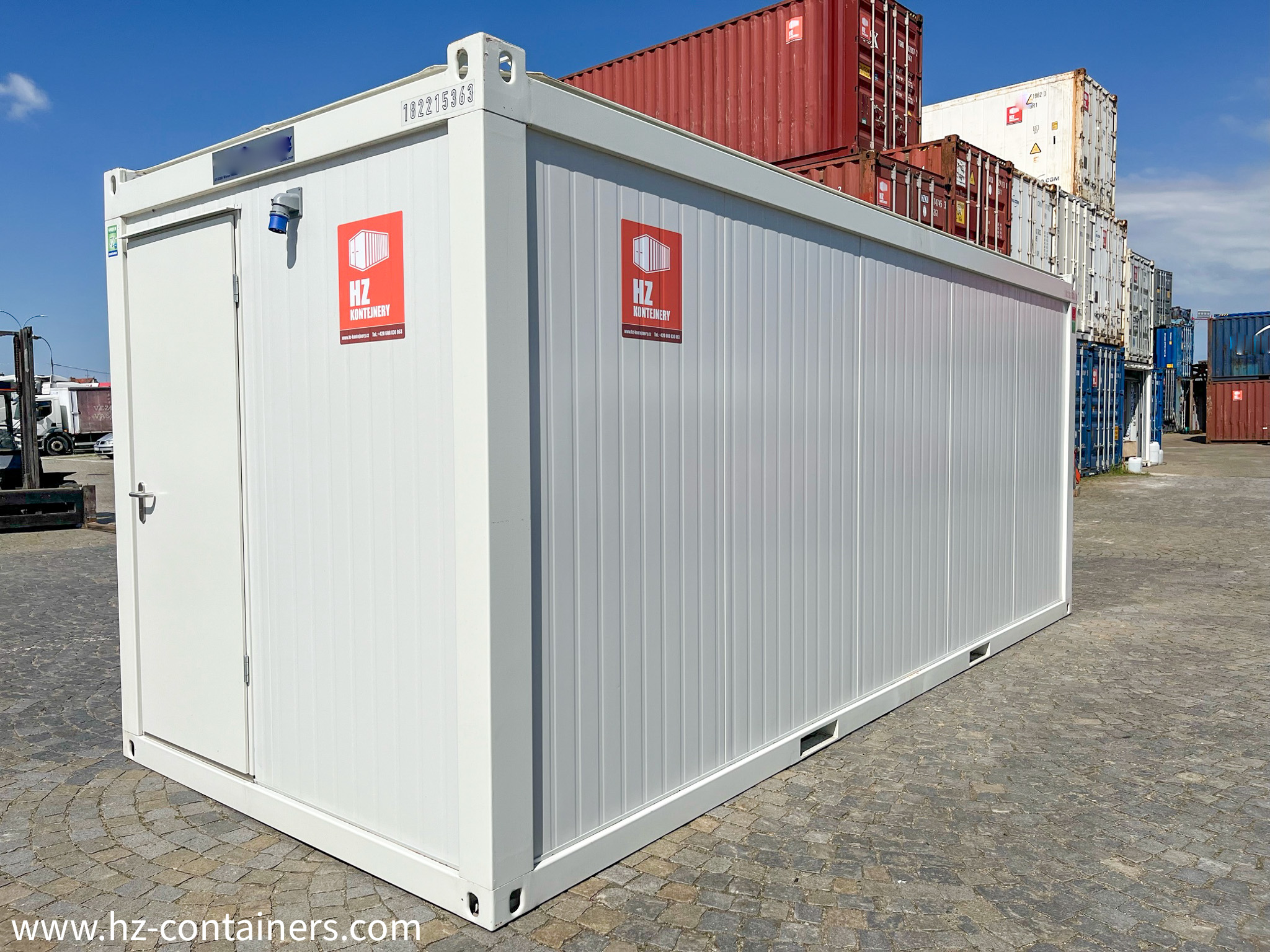
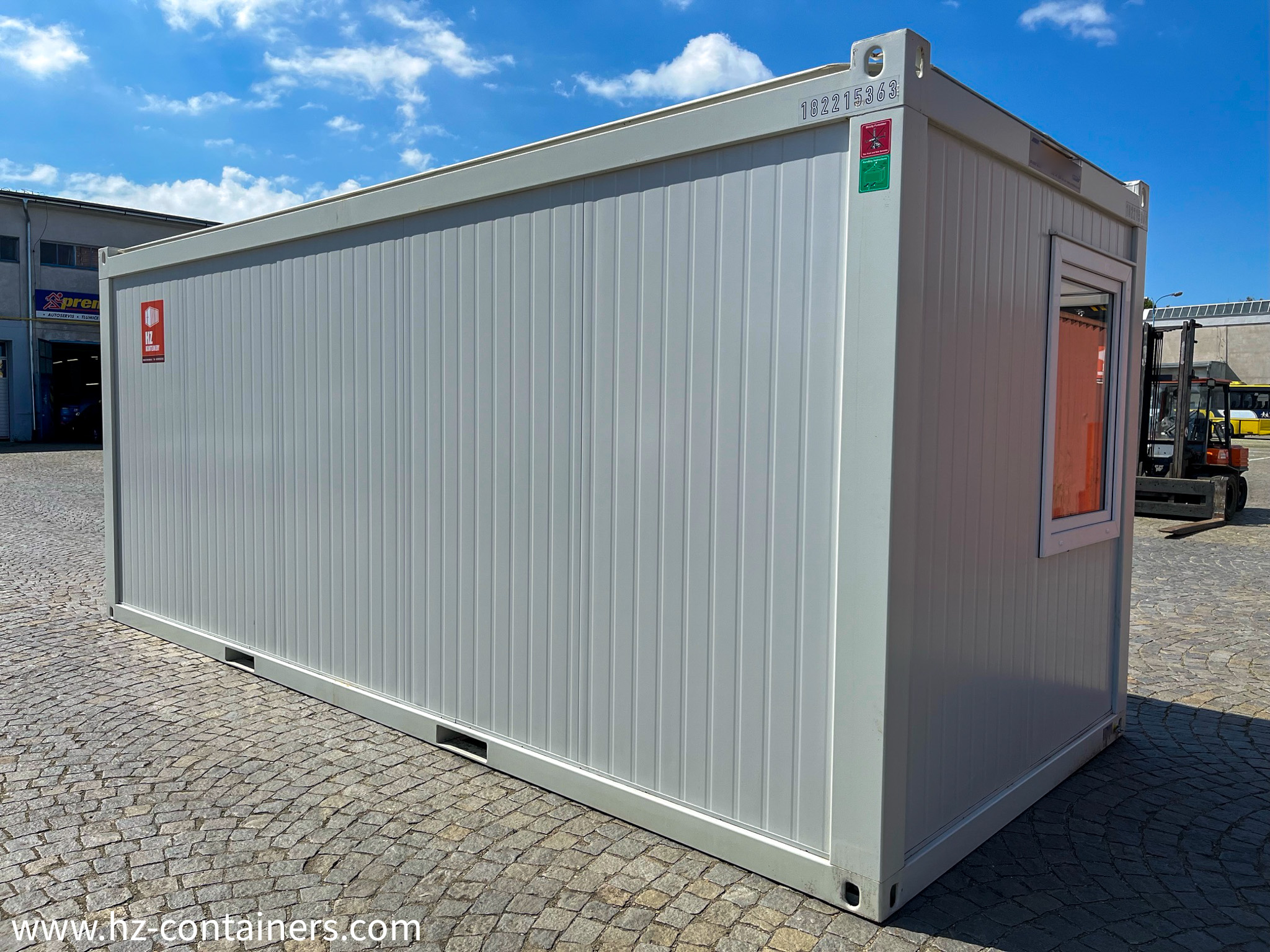
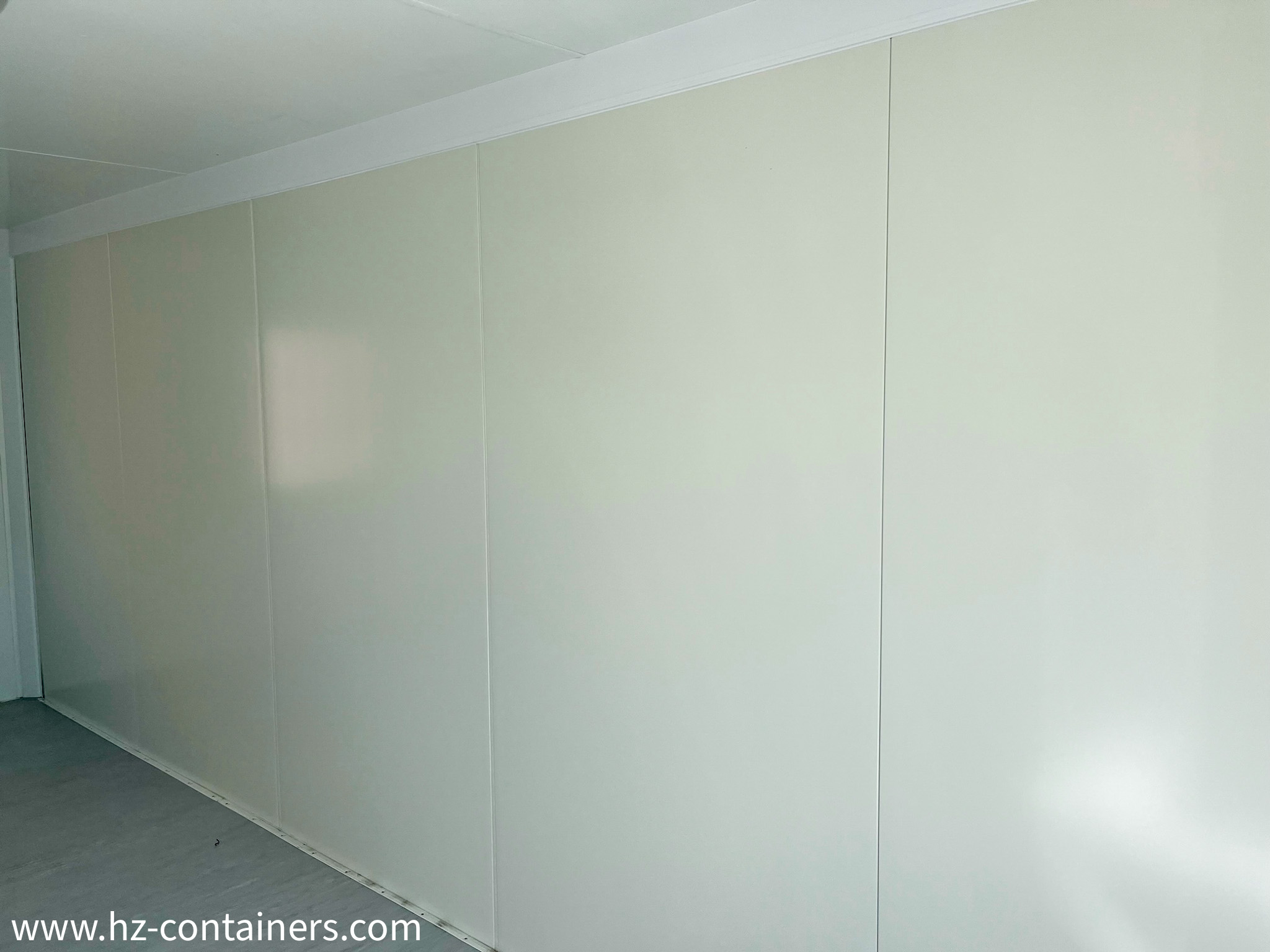
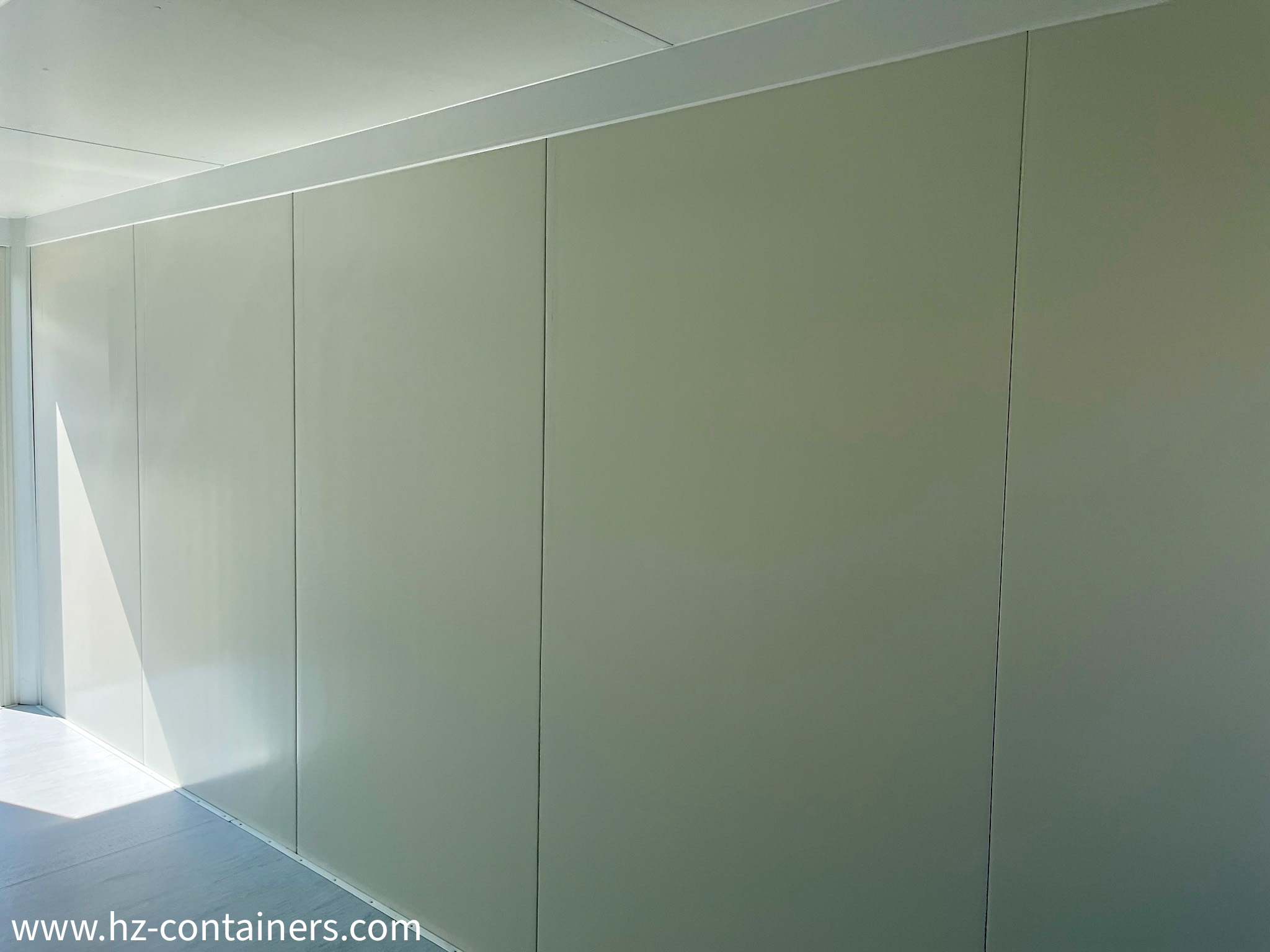
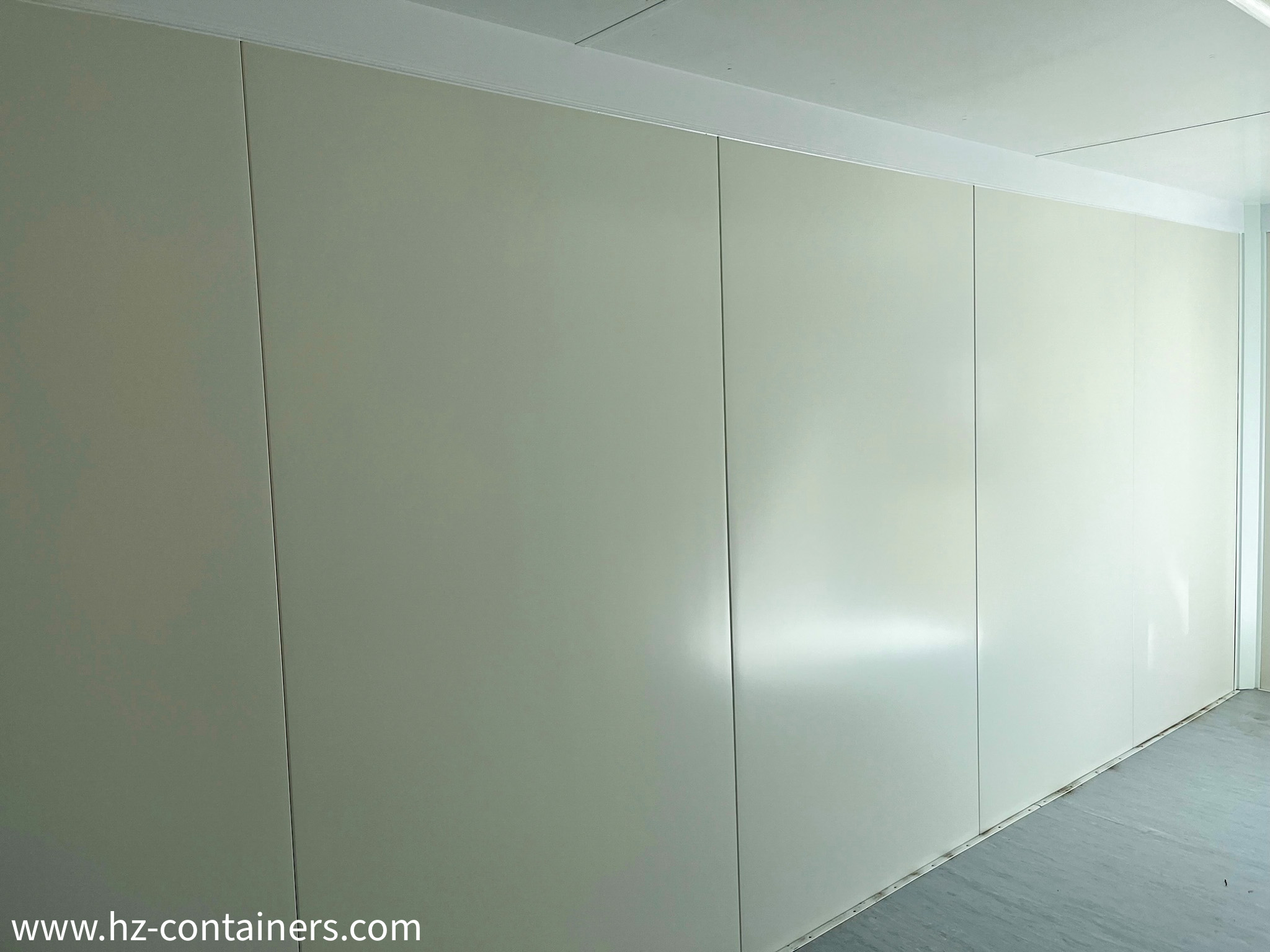

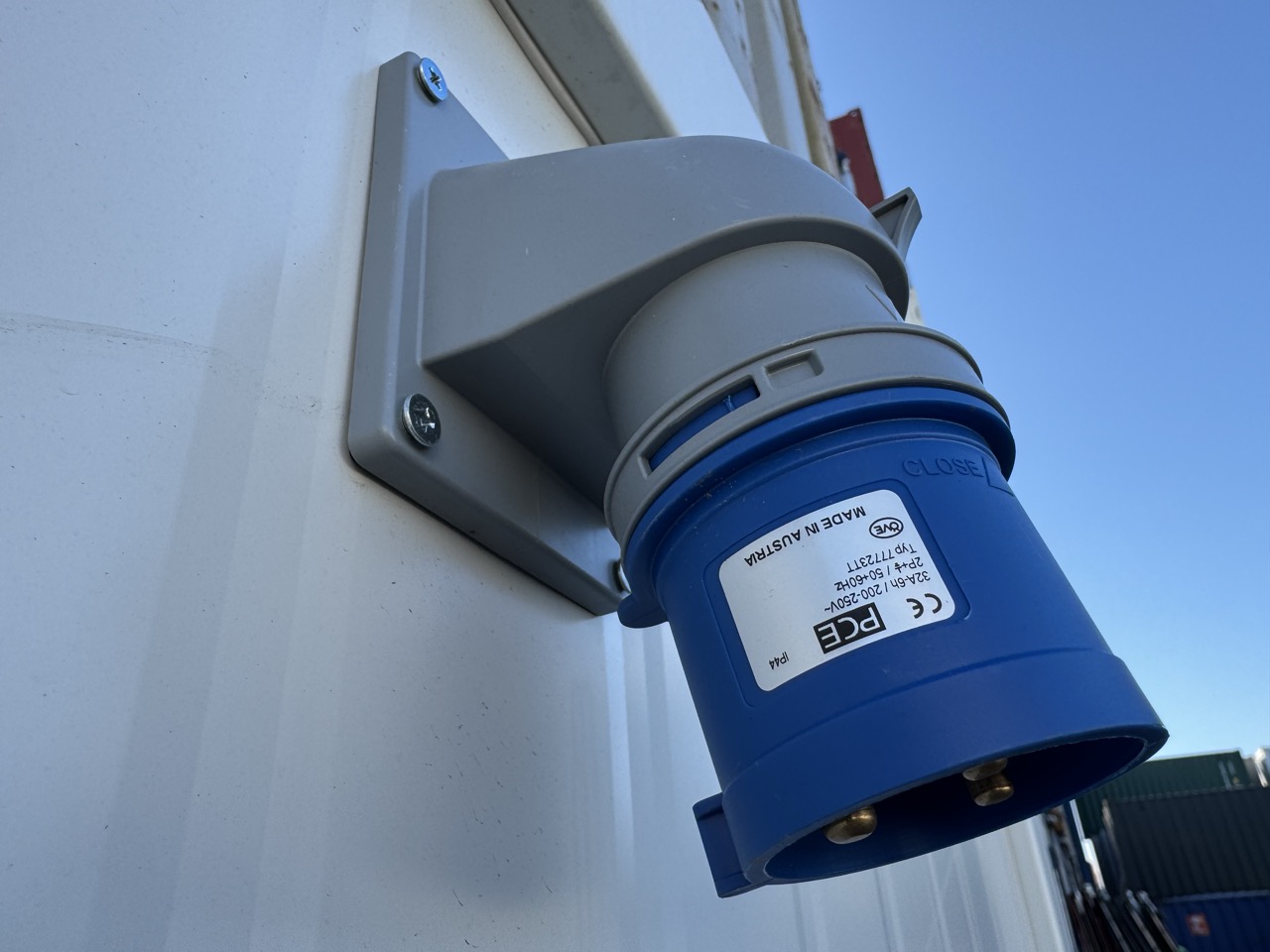
 Czech Republic, Třebíč
  WITHOUT SHIPPING
 BASIC Building Cell is a simple and versatile modular building solution. Its affordability, flexibility and ease of implementation make it an indispensable tool for building projects, industrial applications and temporary installations. Whether as a stand-alone unit or as part of a larger modular system, the BASIC Building Cell continues to play a key role in the development of modern infrastructure.
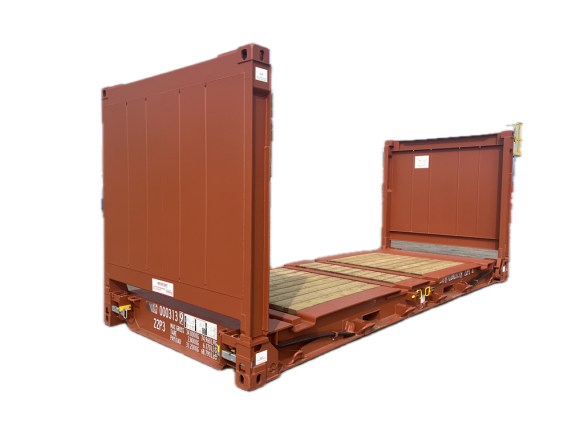
We offer this brand new Building Cell for sale. The Building Cell, also known as the Building Container, is a mobile modular structure designed for temporary or permanent use on a construction site or other location where construction work is being carried out, or to provide temporary work or living space. These cells are used for a variety of construction, industrial, military or public events and functions.
Shipping is not included in the container price. Shipping costs are available upon request and are dependent on the delivery location. A crane is required to assemble the container and will be provided by the customer. Loading of the container at the depot is already included in the price.
You can see the shipping containers in person at our facility in Trebic, where we have over 180 shipping containers in stock.
If you would like more information about the containers in stock, please send an e-mail to [email protected].
WHAT ARE CONSTRUCTION BASKETS?
Building elements are usually made of steel, similar to shipping containers, which ensures they are stable, safe and weatherproof. They come in a variety of sizes and configurations, including simple modular structures or more complex interconnected systems. They can include a variety of basic features such as doors, windows, electrical and water connections, heating, ventilation or insulation.
Technical specifications of the building envelope
Building elements are used as temporary offices, material storage, staff accommodation, sanitary facilities, catering facilities, technical rooms or medical facilities. They can be erected on raised foundations, mobile chassis or containers for easy transport and set-up in different locations. To build container cities, you will also need to purchase: fixing screws to connect the containers in a horizontal position.
Various technologies can also be installed in the building envelope to ensure comfort and efficiency, e.g. air conditioning, internet access, security systems or solar panels for renewable energy. Thanks to their flexibility and portability, building containers are becoming an essential element in the rapid development of infrastructure, construction and other projects where flexible and quickly accessible space solutions are required.
BUILDING ELEMENTS TODAY
Nowadays, building components are becoming an increasingly popular alternative to traditional construction, as they offer a faster and more economical way of building that has less impact on the environment and makes better use of resources. Their modularity and easy expandability allow for a wide range of configurations and combinations to create complex building systems tailored to specific project needs and requirements. For stacking, they require: container stacking cones
Stacking containers are an innovative and efficient solution to meet the needs of temporary and permanent workspaces or accommodation in various industries. They are able to respond more effectively to changing needs and requirements as a project progresses, while reducing the time and costs associated with traditional construction methods.
Building enclosures offer a modern and flexible alternative that meets the ever-changing needs of the construction sector and helps optimise construction and infrastructure processes. With advances in the technology and design of building envelopes, they are expected to play an increasingly important role in the future as a key element of modern construction and urban planning.
What is a BASIC building element?
The term “BASIC building element” refers to a basic modular unit designed as an affordable, flexible and durable solution for a wide range of on-site needs. They are often referred to as building enclosures or modular elements, which are prefabricated structures used in a variety of industries such as temporary offices, warehouses, workshops, etc.
The BASIC building element is a standardised and simplified version of modular buildings, which offers basic functionality and usability without further modifications. These units are designed for rapid deployment, easy transportation and affordable use, making them ideal for construction sites, industrial sites, remote locations and temporary facilities. They offer a ‘plug-and-play’ solution for operational requirements and ensure they can be used immediately upon delivery.
The modular construction method underlying these units is a process whereby buildings or building components are prefabricated off-site under controlled conditions and using the same materials and standards as traditional construction. This approach ensures higher efficiency, consistent quality and lower environmental impact than traditional construction methods.
Key features of BASIC Building Cells
1. modular construction:
BASIC Building Cell units are part of a modular approach, where individual components are prefabricated in a factory controlled on site. These modules are then transported to the desired location and assembled into functional structures. Modular construction allows projects to be completed more quickly, as site preparation and module manufacture take place simultaneously, significantly reducing construction time.
2:
BASIC models focus on simplicity and cost-effectiveness. They typically have a standardised rectangular design with basic features such as doors, windows, insulation and simple cabling. The design follows the principles of modularity, so that each unit can be seamlessly integrated into larger units as needed.
3. Plug-and-play system:
These units are equipped with a prefabricated infrastructure so they can be used immediately upon delivery, whether as an office or a popular warehouse space. This feature is particularly useful for time-critical projects as it provides a functional solution without the delays associated with traditional construction.
4. durability and weather resistance:
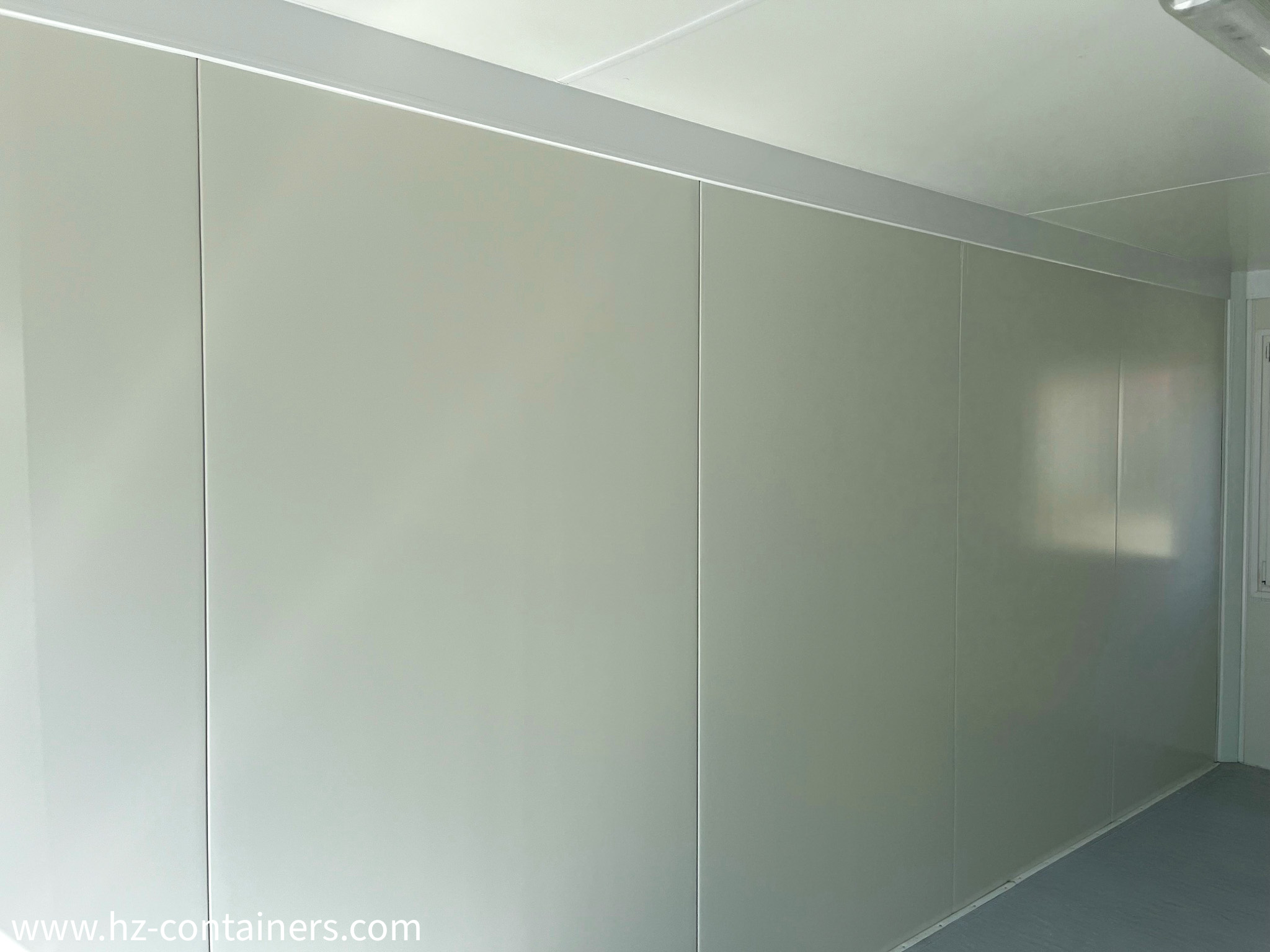
The BASIC housing element is constructed using durable materials such as a steel frame and insulated panels to protect it from adverse weather conditions. The manufacturing process at the factory includes stringent quality control to ensure durability and structural integrity.
5. mobility and reusability:
Lightweight and portable, these units are easy to transport and move. Easy and lightweight, they are easy to transport, portable and easy to move. They can be reused and adapted to new projects, reducing waste and promoting sustainability. Their modular design allows for easy adaptation to changing needs.
BASIC construction chambers
1:
BASIC construction chambers are used on construction sites for a variety of purposes, e.g. as offices, meeting rooms, storage rooms or construction chambers for workers. Thanks to their mobility, they can be moved according to the progress of the project, thus offering unparalleled flexibility.
2. industrial use:
Factories, warehouses and logistics centres use these containers as temporary offices, break-out rooms or secure storage for tools and materials. They can also be used as stand-alone rooms for specific tasks or as technical rooms.
3. temporary accommodation:
BASIC units can be equipped with beds and sanitary facilities, making them suitable for accommodating workers in remote or underused areas. Thanks to their modular design, they can be quickly assembled and disassembled as required. However, the necessary documentation must be provided for such use, which must be approved by the customer with the relevant authorities.
4. event management:
At festivals, exhibitions or sporting events, these units act as storage for ticket booths, control points or equipment. Their portability ensures easy set-up and take-down without major logistical problems.
5. sanitary facilities:
The BASIC Building Cell can be configured as a portable toilet or shower to provide basic facilities in locations where there is no established infrastructure. These units often include features such as water tanks, drainage systems and easy to clean interiors.
Advantages of BASIC Building Cells
1. affordable prices:
The BASIC model has been developed with cost-effectiveness in mind and offers basic functionality without unnecessary extras. This makes it an economical choice for projects with limited budgets.
2:
Pre-production ensures that these units are ready for use as soon as they are delivered. This reduces construction time by up to 50% compared to traditional methods and minimises project delays.
3. flexible:
Whether used individually or as part of a larger modular assembly, BASIC Building Cells can be tailored to meet a variety of needs, such as office, warehouse or residential. Modular design allows for easy expansion or retrofitting.
4:
Modular construction minimises waste and the recyclability of these units contributes to a more environmentally friendly construction process. Controlled production in factories reduces environmental impact by optimising material use and minimising disruption on site.
5:
These units are manufactured in accordance with local building codes and safety standards, ensuring reliable and safe use. In addition, their design allows for future upgrades or modifications if required.
BASIC vs. advanced building elements
| Function | BASIC model | Advanced models |
|---|---|---|
| Adaptations | Limited | High adaptability |
| Internal modification | Simple lining and insulation | High quality materials (e.g. vinyl) |
| Services offered | Standard wiring | Complete HVAC, plumbing, etc. |
| Cost | Affordable | Higher thanks to customisation |
| App | Universally applicable | Tailored to specific needs |
Building process Building elements BASIC
1. design and assembly:
Modules are designed to standard dimensions (e.g. 6 m x 2.5 m x 2.6 m) and manufactured in factories under controlled conditions. Materials such as steel and insulating panels are used to ensure a long service life.
2. Transport and installation:
Once the modules are ready, they are transported to the construction site by trucks or cranes. They are placed on the prepared foundations and anchored to ensure stability.
3:
The electrical and water supply systems will be connected to the local utilities so that the units are fully operational.
4. applications:
The units can be immediately used for their intended purpose, be it office or warehouse.
Trends and innovations
1. integration with smart technologies:
Modern versions of modular devices include IoT devices for energy monitoring, remote access and climate control.
2. improved sustainability:
Manufacturers are increasingly using recycled materials and energy-efficient systems to reduce their environmental impact.
3. hybrid modular systems:
By combining Building Cell BASIC with advanced devices, you can create scalable and flexible assemblies that meet complex project requirements.
Send inquiry
Shipping container colors
RAL 1001 RAL 1003 RAL 1014 RAL 1015 RAL 1018 RAL 1023 RAL 2001 RAL 2008 RAL 2011 RAL 3000 RAL 3001 RAL 3002 RAL 3009 RAL 3013 RAL 3020 RAL 4008 RAL 5003 RAL 5005 RAL 5010 RAL 5011 RAL 5013 RAL 5017 RAL 6005 RAL 6007 RAL 6018 RAL 6029 RAL 6031 RAL 6038 RAL 7000 RAL 7004 RAL 7005 RAL 7012 RAL 7015 RAL 7016 RAL 7021 RAL 7024 RAL 7031 RAL 7032 RAL 7035 RAL 7036 RAL 7037 RAL 7038 RAL 7040 RAL 7042 RAL 8004 RAL 8008 RAL 9003 RAL 9004 RAL 9005 RAL 9010 RAL 9016 CAMOUFLAGEQUESTIONS & ANSWERS TO THE MOST FREQUENTLY ASKED QUESTIONS:
We always guarantee the size, quality, and specific type of container including the pickup location of your choice.
Why is it not possible to access the depot to inspect the container? And for what reason is it not possible to take photos of the container from the depot?
How does the self-pickup of a container from the depot work?
What if the container we came to pick up at the depot does not match the condition and quality we ordered?
Afraid of being scammed and not receiving the container? Many questions are answered in our article container purchase scams.
You can find out how to arrange for the unloading of a shipping container here.
The photos are for illustrative purposes only. Detailed information about the properties of shipping containers can be found here: shipping container quality
 Czech Republic, Třebíč