Prohibition of Entry to Container Depot
The term “Prohibition of Entry to Container Depot” refers to a legal or operational restriction that prevents unauthorized persons from entering container depots. Container depots are key hubs in logistics and transportation, where shipping containers are stored, maintained, repaired, and prepared for further transport. This restriction ensures the safety, protection, and efficiency of depot operations, thereby protecting property, personnel, and the integrity of the supply chain.
This glossary article focuses on what container depots are, why access is restricted, and how these depots function as crucial parts of global trade and logistics.
What is a container depot?
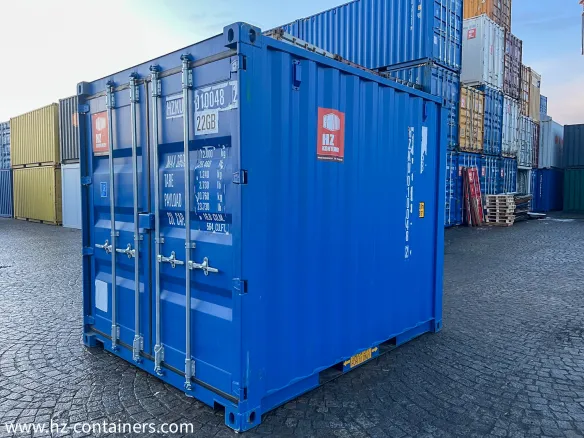
Container depot is a specialized facility designed for the storage, management, and maintenance of shipping containers. These depots serve as essential hubs in the global logistics chain, ensuring efficient transportation of goods worldwide. They are often referred to as container terminals or stations and perform various operational tasks related to container handling.
Container depots are strategically located near ports, rail terminals, and industrial centers to streamline the movement of goods within the supply chain. These facilities are operated by transportation companies, third-party logistics providers (3PL), or freight forwarders. The growing popularity of containerization in global trade has led to an increase in the number of container depots worldwide.
Main functions of a container depot:
- Storage: Container depots provide secure storage spaces for empty containers, allowing transportation companies to maintain a ready stock for future use. Occasionally, depots also store full containers waiting for further transportation.
- Load consolidation: Goods are packed or unpacked into containers for transportation or redistribution. This step is crucial for improving transport efficiency.
- Repairs and maintenance: Damaged shipping containers are inspected, repaired, and cleaned to meet operational standards.
- Customs clearance: Many depots assist with customs documentation and regulatory requirements, facilitating international transportation.
- Reefer services: Refrigerated containers, often called reefers, are stored in temperature-controlled spaces to maintain the quality of perishable goods.
- Business hub: Container depots serve as places for buying, selling, and renting containers. Traders often prefer direct dealings with depots to avoid delays caused by intermediaries.
- repositioning : Empty containers are moved to areas with higher demand to ensure balance in the global container supply.
Thanks to these functions, container depots ensure the continuity and efficiency of the global supply chain.
Why is entry to container depots restricted?
Prohibition of entry is a key measure to ensure safety, protection, and operational efficiency within container depots. The main reasons for restricting access are:

1. Security aspects
- Heavy machinery: Cranes, forklifts, and other heavy equipment are used in depots, posing a significant risk to untrained individuals.
- Stacked containers: Containers are often stacked to great heights, creating a potential risk of falling.
- Designated zones: Specific areas, such as maintenance stations or storage spaces for reefers, require special safety measures to reduce risks.
2. Security protocols
- Cargo protection: Depots store high-value goods, making them attractive targets for theft or smuggling.
- Customs oversight: Restricted access helps prevent unauthorized handling of containers under customs control.
- Security of documentation: Sensitive shipping documents and logistics plans are managed inside depots, requiring controlled access.
3. Operational efficiency
- Minimization of disruption: Unauthorized persons may disrupt work processes, leading to delays in container handling and transportation.
- Optimized processes: Access restriction ensures that tasks are performed only by trained personnel and authorized individuals.
How is the entry ban to the depots enforced?
Entry restrictions are enforced through a combination of physical barriers, technological systems, and trained personnel.
Physical Barriers
- Fences and Gates: Secured perimeters prevent unauthorized access to the premises.
- Checkpoints: Entry points are monitored by security personnel or automated systems verifying access.
- Warning Signs (No Entry): Clear signage alerts to restricted access in the area.
Technology
- Access Control Systems: Employees and visitors must use identification cards or biometric verification to enter the depot.
- Surveillance: CCTV cameras and security monitoring systems track activities inside the facility.
- Container Tracking: GPS and RFID technology allow real-time tracking of container movements.
Personnel
- Trained Security Personnel: On-site teams enforce rules and ensure compliance with depot policies.
- Security Programs: All authorized personnel, including contractors and drivers, must undergo safety training to gain access to container depots.
Conclusion
The “no entry to the container depot” rule plays a key role in ensuring the safety, security, and efficiency of container depots. By implementing strict access control, depots ensure the smooth flow of goods within the global supply chain. Understanding the functions and importance of these facilities helps stakeholders appreciate the necessity of restricted access and protection of valuable resources in the logistics industry.

 Czech Republic
  WITHOUT SHIPPING