
What is the warranty on used shipping containers?
Shipping containers are a versatile and valuable means for storage, transportation, and various innovative uses. Whether you’re buying a new one-way container or a used container suitable for shipping goods, it’s crucial to understand the warranty conditions to ensure your investment is well protected. This glossary provides detailed information about warranties for used shipping containers and helps you navigate coverage, exclusions, and maintenance responsibility.
What is the warranty on used shipping containers?
A warranty is a promise from the seller or manufacturer to repair, replace, or refund a shipping container if it doesn’t meet specific standards or conditions within a set period. For used shipping containers, warranties primarily cover structural integrity and leak resistance, ensuring that the container remains suitable for its intended use.
Key features of the warranty:
- Leak warranty: Ensures that the container remains leak-free due to rust, damage, or defects during the set period.
- Structural integrity: Covers the walls, roof, doors, and floor against significant defects.
- Warranty period: Used containers often have a shorter warranty period (1–5 years) compared to new containers (up to 10 years).
- Exclusions: Warranties usually do not cover cosmetic issues, improper use, or damage caused by environmental factors.
Types of warranties for shipping containers
1. Warranty for new one-way containers
New containers, also known as “one-way containers,” typically come with the most comprehensive warranties. These warranties can last up to 10 years and cover structural integrity, leak resistance, and minor processing defects.
- Covered issues:
- Properly aligned and sealing doors.
- Resistance to wind and water.
- Floor without rot or soft spots.
- Corrosion resistance during the warranty period.
- Non-covered issues:
- Cosmetic issues such as fading paint or minor dents.
- Damage caused by environmental factors, including extreme weather or natural disasters.
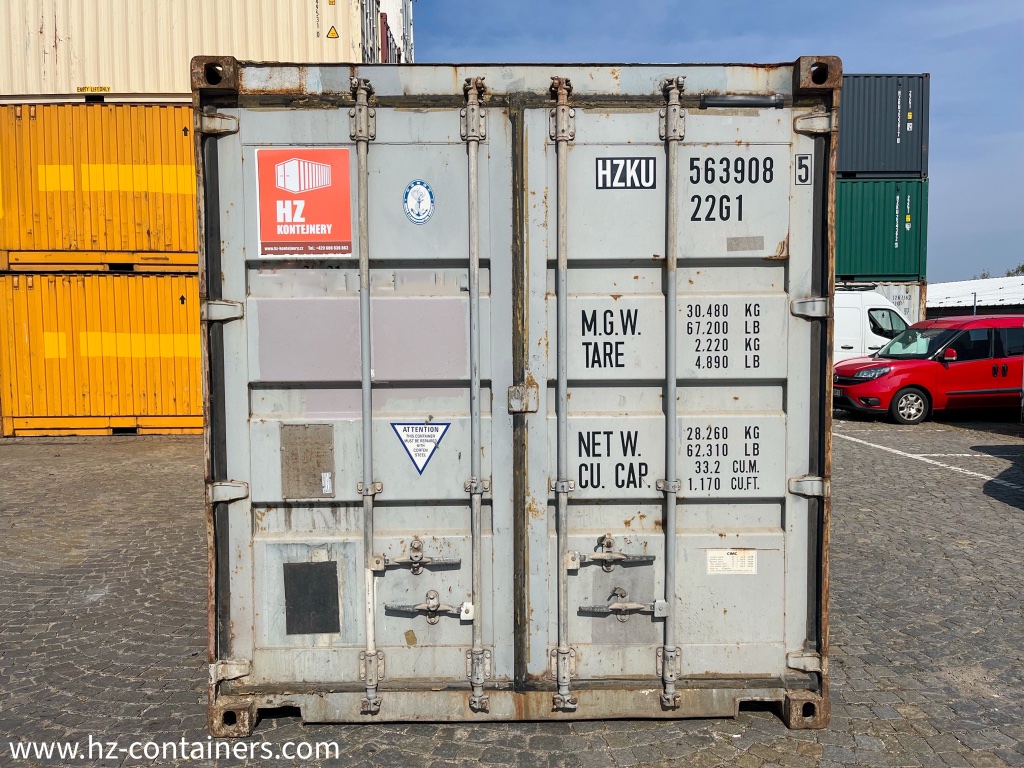
2. Warranty for used shipping containers
Used containers classified as Cargo Worthy (CWO) or Wind and Watertight (WWT) typically have shorter warranty periods focused on functional aspects.
- Cargo Worthy containers:
- Designed for heavy cargo (up to 40,000 pounds) and international transport.
- Usually covered for 5 years against structural defects and leaks.
- Wind and Watertight containers:
- Guaranteed weather resistance for storage use.
- Coverage typically lasts 1 year, focused on leak resistance.
3. Warranty for refrigerated containers
Refrigerated containers, due to their complex systems, come with specialized warranties:
- Shell warranty: Covers structural integrity for 5–10 years.
- Mechanical parts warranty: Covers refrigeration components (compressors, cooling systems) for 6 months to 5 years, depending on the unit’s condition.
What does the warranty cover?
Structural integrity
The warranty ensures that the walls, roof, and floor of the container remain structurally sound and leak-free. Cargo Worthy units should also be able to carry heavy loads.
Wind and water resistance
A key feature of all warranties is ensuring that the container is sealed against wind and water intrusion, which protects the contents from environmental elements.
Doors and sealing
Warranties often focus on the functionality of doors, ensuring proper alignment, sealing rubber, and secure closures.
Floor
Coverage includes ensuring that the floor is free of holes, rot, or excessive wear. Proper placement (e.g., elevated off the ground) is often required to maintain this warranty.
What is not included in the warranty?
Common exceptions:
- Cosmetic appearance: Surface rust, fading of color, or minor dents.
- Abuse or neglect: Overloading or failure to follow maintenance instructions.
- Environmental damage: Natural disasters, extreme weather, or vandalism.
- Modifications: Changes such as cutting, welding, or drilling may void the warranty.
- Contents: Warranties do not cover items stored inside the container.
How to maintain warranty validity
To keep your warranty valid:
- Location: Place the container on a stable, level surface to avoid structural issues.
- Inspections: Regularly check for rust, leaks, or damage and address any issues immediately.
- Rust prevention: Apply anti-corrosion coatings and reapply as necessary.
- Avoid modifications: Refrain from unauthorized changes to the container.
- Proper use: Follow the designed capacity and purpose of the container.
Common warranty periods by container category
| Container type | Warranty period | Coverage |
|---|---|---|
| New one-trip container | 10 years | Structural integrity, no leaks |
| Cargo Worthy (used) | 5 years | Leakproof warranty, solid floor |
| Wind and Watertight (used) | 1 year | No leaks, functional doors |
| Refrigerated (new) | 5–10 years | Shell warranty, mechanical parts |
| Refrigerated (used) | 6 months – 5 years | Mechanical parts warranty, shell |
How to file a warranty claim
If you encounter a problem covered by the warranty:
- Document the issue: Take photos of leaks, structural defects, or malfunctioning parts.
- Contact the seller: Provide the invoice number and purchase details.
- Submit evidence: Send the required documentation via email or the seller’s online portal.
- Follow instructions: The seller may arrange repairs or replacements according to warranty conditions.

 Czech Republic, Třebíč
  WITHOUT SHIPPING


Other container news...

Hörmann garage doors as a great addition to a shipping container
Hörmann garage doors as an addition to a shipping container are a comprehensive solution that brings users maximum comfort, safety and aesthetic level. Their installation is an investment in the long-term value, functionality and representative appearance of the container space. The combination of the robustness of the container and the top technology of Hörmann is the ideal choice for anyone who wants to get the most out of their container.

What are the widths of a shipping container
The width of a shipping container – 2.438 m – is one of the pillars of global logistics. Thanks to its standardized size, it is possible to transport goods across continents efficiently, safely and without any problems, stack containers high and optimize handling. When choosing a container, it is necessary to take into account not only the width, but also the length, height, type (standard vs. High Cube) and any special requirements – for example, Pallet Wide or Reefer.

What are the tolerances for unevenness of a shipping container?
Shipping container unevenness tolerances are the basis for safe, efficient and standardized transportation and storage. Each container must meet precisely defined limits for deformation, dents and structural damage. These limits protect not only the value of the cargo, but also the lives of logistics workers and the stability of the entire logistics chain. Keeping containers within tolerances is an investment in the safety, longevity and reliability of your transportation solutions.

Side opening container for rent
A side-opening container for rent from HZ KONTEJNERY s.r.o. is a technically advanced, versatile and highly accessible storage space, available without the need for ownership and with complete service. It is the ideal choice for companies and individuals who need to quickly and flexibly solve storage, transportation or special projects without investment costs and maintenance worries.