
Safety of Elevated Container Installations
What is Safety of Elevated Container Installations?
The term “Safety of Elevated Container Installations” refers to safety considerations, structural strength, and guidelines for the installation and operation of elevated systems made from shipping containers. These systems are gaining popularity in various sectors, such as housing, offices, industrial storage, and modular construction, due to their sustainability and versatility. However, safety is crucial to ensure that these installations are secure, functional, and durable over the long term.
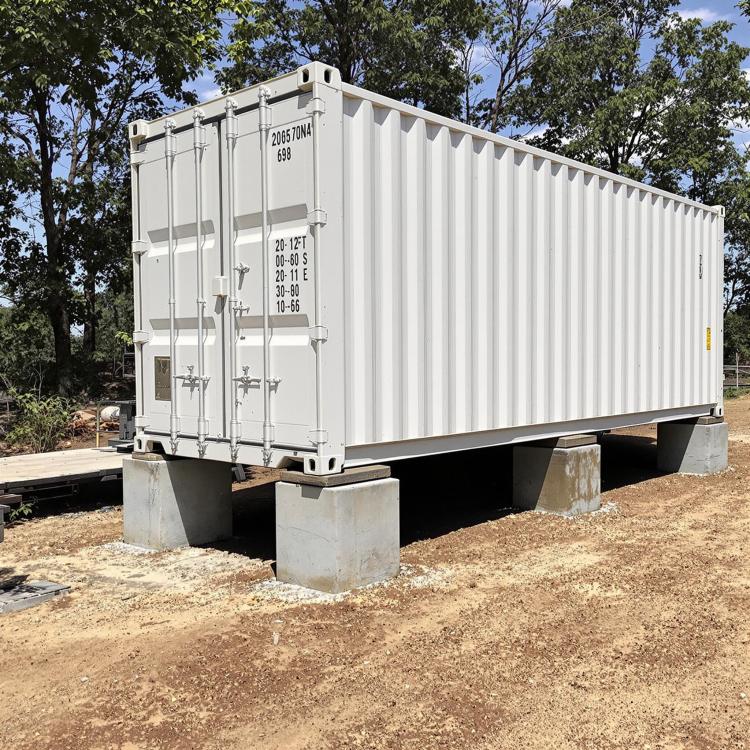
Elevated container installations typically involve placing containers above ground using supports, steel frames, or other support mechanisms. This design is often used to save space, adapt to challenging terrain, or meet specific project requirements. At the same time, however, it presents unique challenges, such as structural stability, resistance to external influences, and compliance with safety standards.
Components of Safety in Elevated Container Installations
Safety of elevated container installations encompasses several aspects, including structural integrity, environmental adaptation, material safety, and operational protection. Below you will find a detailed overview of these key components.
1. Structural Integrity
Key elements of shipping container construction:
- Material: Shipping containers are primarily made of Corten steel (weather-resistant), which is highly durable and resistant to environmental degradation.
- Load capacity: Containers are designed to withstand extreme conditions, including stacking multiple units during transport.
- Frame construction: Solid corner posts and cross-members ensure that containers maintain structural integrity even under load.
Safety procedures for elevated installations:
- Foundation construction: Elevated containers should rest on solid foundations, such as reinforced concrete slabs or steel supports, to prevent settling or tilting.
- Anchoring mechanisms: Containers should be secured with anchors that can withstand wind gusts and seismic activity.
- Weight distribution: Ensure even weight distribution to prevent stress points that could lead to structural failure.
- Reinforcement: Openings in the container (such as doors or windows) should be supplemented with additional steel supports to maintain structural strength.
Signs of structural weakness:
- Visible dents, cracks, or rust on critical joints.
- Shifts or misalignment in support structures.
- Deformation caused by uneven loading or material aging.
Maintenance procedures:
Regular inspections should check for wear, corrosion, and stability. Any problems identified must be addressed immediately to maintain safety standards.
2. Environmental Aspects
Elevated container installations must be designed to withstand environmental challenges and ensure user safety and comfort.
a. Weather resistance:
- Wind load: Elevated structures are more exposed to wind forces. Proper anchoring and aerodynamic design are key to preventing overturning.
- Flood resistance: Elevated containers protect against flooding by keeping the structure above water level.
- Temperature regulation: Insulation and ventilation systems are necessary to maintain a stable internal climate. Without them, containers can overheat in summer or become too cold in winter.
b. Corrosion prevention:
- Coatings: Apply anti-corrosion coatings that protect against rust, especially in humid or coastal areas.
- Drainage: Install drainage systems around the base to prevent water accumulation and subsequent corrosion.
c. Adaptation to seismic activity:
- Flexible foundations, such as base isolators, can absorb seismic shocks and reduce the risk of structural damage.
- Reinforced joints ensure that the container can withstand vibrations.
d. Fire resistance:
- Steel containers are naturally fire-resistant. Adding fire-resistant insulation and installing smoke detectors further increases safety.
3. Security Measures
Security is an important aspect of elevated container installations, especially those serving as homes or storage units.
Enhanced security features:
- Locks: Use secure padlocks or modern electronic locking systems.
- Surveillance: Install CCTV cameras and motion detectors for monitoring.
- Lighting: Adequate lighting deters intruders and improves visibility.
- Reinforced access points: Secure doors and windows with robust materials to prevent unauthorized entry.
4. Hazardous Materials and Chemical Safety
Shipping containers are often treated with industrial coatings that can pose health risks if not properly managed.
Common hazards:
- Toxic coatings: Original paints and sealants may contain volatile organic compounds (VOCs) and pesticides.
- Floor treatment: Some containers have chemically treated floors against pests, which can release harmful substances.
Risk mitigation strategies:
- Remove or encapsulate hazardous coatings.
- Replace treated floors with non-toxic alternatives, such as sealed plywood or steel.
- Use eco-friendly paints and sealants when making modifications.
5. Customization and Modifications
Customizing a shipping container for specific use often involves structural modifications that can affect safety.
Best practices:
- Reinforce any cutouts for doors, windows, or ventilation to prevent structural weakening.
- Avoid removing load-bearing walls unless alternative supports are installed.
- Engage professional engineers to assess and certify modifications.
6. Maintenance and Inspection Protocols
Proper maintenance is essential to ensure long-term safety of elevated container installations.
Maintenance checklist:
- Check for corrosion, wear, and structural integrity.
- Test the functionality of doors, locks, and windows.
- Assess weather-resistant elements, such as seals and insulation.
- Schedule regular professional inspections to ensure compliance with safety standards.
Uses of Elevated Container Installations
- Housing: Elevated container homes offer protection from flooding and better air circulation, making them ideal for certain climatic conditions.
- Commercial spaces: Used for retail stores, cafes, or offices, optimizing space and visibility.
- Industrial storage: Protects goods from ground-level threats, such as flooding or pests.
- Emergency shelters: Quickly deployable and elevated containers are useful in disaster-affected areas.

 Czech Republic, Kladno
  FREE SHIPPING


Other container news...

Shipping containers Považská Bystrica Slovakia
Shipping containers in Považská Bystrica represent a key solution for storage, transportation and modern construction projects in Slovakia. This article will provide you with a comprehensive overview of what shipping containers are, how they are used in Považská Bystrica and what services are available in this area.

Shipping containers Nové Zámky Slovakia
Shipping containers in Nové Zámky are a key part of modern logistics and transport in Slovakia. As standardized steel units, shipping containers enable efficient transportation of goods over long distances with minimal costs and maximum protection. Nové Zámky, as an important urban center in western Slovakia, has become a major center for the sale, rental and distribution of shipping containers due to its strategic location and good connections to the transport infrastructure.

Shipping Containers Nové Mesto nad Váhom – Slovakia
Shipping containers in Nové Město nad Váhom represent a modern solution for storage, logistics and transport of goods. As one of the most important transport hubs in Slovakia, Nové Město nad Váhom offers comprehensive services with shipping containers including sales, rental and transport. This guide will provide you with a detailed overview of how shipping containers work, what their advantages are and how to use them effectively in this location.

Shipping Containers Nitra – Slovakia
Shipping containers are an integral part of the global trade network and represent one of the most important innovations in the history of transportation. These standardized shipping units enable the efficient transport of goods around the world and have become the backbone of modern logistics. Whether you are looking for shipping containers in Nitra or elsewhere, understanding their functions and applications is key to any logistics project.