
Refrigerated Shipping Containers – How They Work
Refrigerated shipping containers, commonly known as “reefer containers”, represent a highly specialized type of shipping containers designed to maintain stable temperatures for transporting temperature-sensitive goods. These containers enable global logistics of products such as food, pharmaceuticals, flowers, and electronics, which require strictly controlled conditions during transport. Their importance in the modern world is undeniable, particularly given the growing need to transport temperature-sensitive products over long distances.
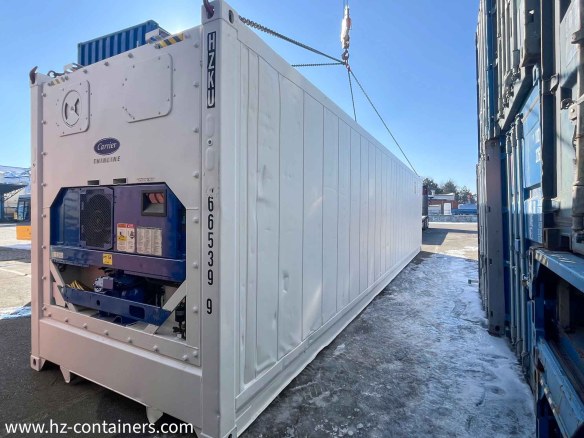
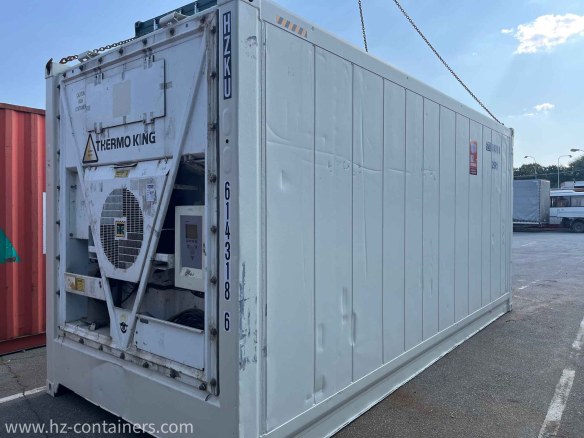
In essence, refrigerated containers are not merely passive cooling boxes. They are technologically advanced systems that include sophisticated cooling units, sensors, ventilation mechanisms, and insulation materials. These elements together ensure optimal conditions for maintaining the quality and safety of transported goods.

What are refrigerated shipping containers?
Refrigerated containers are intermodal shipping containers whose main function is temperature regulation ranging from -30 °C to +30 °C. Some specialized models, known as “super freezers”, can maintain temperatures down to -70 °C, which is ideal for transporting ultra-frozen products such as vaccines or biological samples.
Key features:
- Cooling unit: The basic component that ensures circulation of cold air and maintains the required temperature.
- Insulation: Container walls are filled with polyurethane foam, which minimizes heat loss and ensures energy efficiency.
- Ventilation system: This system allows circulation of fresh air, which is essential for products such as fresh fruit and vegetables that produce ethylene and carbon dioxide.
- Humidity regulation: Some containers allow control of humidity levels, which is key for pharmaceutical products and other sensitive commodities.
How do refrigerated containers work?
Cooling principle
The functionality of refrigerated containers is based on the convection process. Air inside the container is drawn into the cooling unit, where it is cooled and then distributed back into the container space. This process is facilitated by two fans that support even distribution of cold air.
- T-bar floor: A specially shaped floor allows efficient air flow under the cargo, ensuring even cooling.
- Thermostat control: Sensors continuously monitor temperature and humidity and adjust the cooling unit’s output as needed.
Ventilation and humidity
The ventilation system allows circulation of fresh air, which is essential for products such as fruit, which produce gases like ethylene during transport. Proper humidity regulation helps prevent condensation, mold, and other problems that could compromise product quality.
Power supply
Refrigerated containers require an external power source. They can be powered either directly from ships, port facilities, or through diesel generators (gensets), which is common when transporting by road or rail.
Types of goods transported in refrigerated containers
Food
- Fruit and vegetables: Require precise temperature control and ventilation to prevent overripening.
- Meat and seafood: Must be stored at extremely low temperatures (-20 °C and below) to preserve their freshness.
- Dairy products: Products such as cheese and milk are sensitive to temperature fluctuations.
Pharmaceuticals
- Vaccines: Some types of vaccines, such as mRNA vaccines, require storage at temperatures down to -70 °C.
- Biological samples: These sensitive materials require constant temperature and humidity during transport.
Industrial products
- Electronics: High humidity and inappropriate temperatures can compromise the functionality of sensitive components.
- Chemicals: Some chemical substances are extremely temperature-sensitive and require strict regulation of conditions.
Technical components of refrigerated containers
Main parts
- Cooling unit: A key component that regulates temperature and humidity.
- Fans: Allow even air circulation.
- Sensors: Record temperature, humidity, and other critical parameters.
- Insulation: Minimizes heat loss.
Additional equipment
- Genset (diesel generator): Provides power outside electrical networks.
- Atmosphere control: Allows detailed control of gases, which extends the shelf life of goods.
Dimensions of refrigerated containers
Refrigerated containers are standardized in two main sizes:
- 20-foot container (20ft): Capacity 28 m³.
- 40-foot container (40ft): Capacity 67 m³.
Advantages of refrigerated containers
- Preservation of goods quality through precise regulation of conditions.
- Flexibility in transporting a wide range of products.
- Energy efficiency thanks to modern technologies.
- Global availability thanks to standardized dimensions.
 Czech Republic, Třebíč
  FREE SHIPPING

Other container news...
Corner casting steel vs aluminum
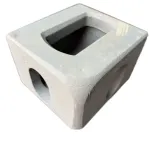
Every shipping container in the world — all 40 million of them — rests on eight critical components. Corner castings are the load-bearing blocks at each corner of an ISO shipping container, and they are the universal interface between the container and every crane, twistlock, spreader, and chassis on the planet. When you lift a container, stack it nine high on a ship, or lock it to a truck trailer, every ton of force flows through these fittings.

Construction cabin – selection, tips, dimensions and prices
Every construction project – whether a family house, a development project or a reconstruction – starts with the infrastructure. No construction manager, craftsman or investor who needs an on-site office, a changing room for workers or a safe storage for tools can do without a quality construction cell. But navigating the offer is not easy: residential containers, sanitary cells, storage modules, rental, purchase, refurbished pieces… This guide will give you answers to all the essential questions in one place.
Storage container
A storage container is a lockable steel box designed for the safe and dry storage of materials, tools, goods or equipment. Originally created as a shipping container for maritime transport, its durability and versatility have found their way onto construction sites, corporate premises and private land.
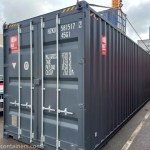
Shipping container 12m (40 ft)
A 12m shipping container is an investment that, if properly selected and cared for, will pay off in decades of trouble-free use. Whether you plan to use it as a warehouse, workshop, garage or the basis for a residential module — the key is careful selection of the condition, a thorough inspection before purchase and high-quality preparation of the base for placement. Take the time to compare offers, check the seller’s references and do not hesitate to personally inspect the container before buying. A properly selected 40-foot container will serve you reliably for many years.