
New Trends in Eco-Friendly Shipping: A Sustainable Future for Logistics.
1. Global Ambitions: Shipping Heads Toward Carbon Neutrality
Modern shipping forms the backbone of global trade, transporting millions of tons of goods between continents every day. Along with this, however, it also brings significant environmental challenges. According to the latest reports from the International Maritime Organization (IMO), global shipping has committed to halving its greenhouse gas emissions by 2030 and achieving carbon neutrality by mid-century. This ambitious plan is a response to growing pressure from the public and the scientific community, which has long pointed out that shipping is responsible for approximately three percent of global CO₂ emissions.
Experts now argue, however, that there is more than one path to achieving these goals. According to scientists, the simplest step would be to simply slow down the speed of ships, which would immediately lead to a significant reduction in fuel consumption and thus emissions. Alongside this, a return to traditional technologies is also being applied, such as the use of wind in the form of modern sails. According to experts, the prospects for achieving emission targets are technically feasible, although fulfilling them will require political courage and global coordination.
2. Wind Sails and Autonomous Ships: A Technological Revolution on the Horizon
One of the most significant trends in eco-friendly shipping is the return to wind propulsion, this time in a modern guise. The latest development was presented, for example, by an American company with an autonomous cargo ship powered exclusively by wind. This 24-metre vessel, equipped with a pair of folding wings, can carry up to 75 euro pallets and is intended primarily for smaller but high-value shipments. Thanks to the absence of a crew and the need for a large port, operation is not only more environmentally friendly but also significantly cheaper.
Modern technology allows ships to automatically adjust their sails for maximum movement efficiency and minimum emissions. Reduced operating costs, greater efficiency, and zero emissions — these are the main advantages these ships bring to the world of logistics. Wind propulsion is thus becoming a viable alternative to combustion engines and is inspiring further innovations in transport.
3. Container Shipping in 2024: Growth, Challenges, and Ecological Trends
In 2024, container shipping recorded record demand, resulting from the recovery of the global economy and changes in supply chains. With the growing volume of goods being transported, however, new challenges arise — port congestion, storage capacities at their limits, and rising prices for shipping services. These factors are forcing carriers to seek new, more efficient and more environmentally friendly solutions.
As a result, innovations are increasingly making their mark on the market, encompassing not only the modernisation of infrastructure but also investment in digital technologies and route optimisation. Proper inventory management, demand forecasting, and automation are becoming key tools for a sustainable future. Furthermore, recycled materials and eco-friendly packaging are being used more and more frequently, helping to reduce the overall carbon footprint of transport.
4. Crisis and Adaptation Strategies: How Shipping Companies Are Coping with New Conditions
The COVID-19 pandemic dramatically affected global supply chains. The uneven distribution of containers around the world led to their shortage in some regions and surplus in others, which increased pressure on warehouses and logistics services. Some terminals even refused new clients due to lack of space, and carriers were forced to offer containers free of charge in order to free up space.
Ecological trends and new legislation simultaneously require shipping companies to invest in new technologies and find ways to reduce their ecological footprint. In practice, this means introducing ships with hybrid or fully electric propulsion, using biofuels, better route planning with a focus on minimising fuel consumption, and more efficient port operations management. These measures bring carriers not only savings but also a competitive advantage in a market where sustainability is an increasingly important criterion.
5. The Influence of Geopolitics and Climate Change on Eco-Friendly Shipping
Shipping faces not only economic and logistical challenges but also geopolitical and climate risks. Conflicts in the Red Sea region or in Ukraine affect the availability of shipping capacity and the price of services. Climate change then brings more frequent extreme weather events, which can disrupt regular routes and cause further complications.
The response to these challenges is an ever-greater emphasis on flexibility, risk monitoring, and diversification of shipping routes. Modern carriers are investing in smart systems for tracking ship movements, weather prediction, and crisis management. These technologies enable rapid responses to unexpected events and minimise their impact on the environment and the economy.
6. Innovation and Adaptation: The Key to a Sustainable Future
Innovation plays a key role in transforming shipping towards sustainability. The introduction of new technologies, such as autonomous ships, smart sails, or electrically powered vessels, allows carriers to reduce emissions, lower operating costs, and increase safety. The modernisation of ports, route optimisation, and digitalisation of processes bring greater efficiency and enable better responses to changing conditions and market demands.
An example of successful innovation is the implementation of wind propulsion on cargo ships, which makes it possible to harness natural energy sources and reduce dependence on fossil fuels. Another novelty is autonomous vessels, which can operate without a crew and minimise human error or labour costs. These trends show that a sustainable future for shipping is achievable through a combination of technological progress and a responsible approach to environmental protection.
7. A Look into the Future: Forecasts and Expectations for 2024 and Beyond
It is expected that in the second half of 2024, further significant changes will occur in the field of shipping. Demand for international transport will remain high, which will require further investment in infrastructure, logistics, and ecological technologies. Organisations such as UNCTAD predict that growth in this sector will slow, but innovation and adaptation will be key to maintaining competitiveness.
Shipping companies will continue to have to address issues of congested ports, labour shortages, and rising fuel prices. At the same time, they will face increasingly strict environmental standards and pressure from customers for transparency and sustainability. The future of shipping will therefore depend to a large extent on the ability to rapidly adopt new technologies and adapt to the changing conditions of the global market.

 Czech Republic, Krnov
  WITHOUT SHIPPING
Other container news...

Obligation to Check Tightness When Selling a Reefer Container
Who is responsible for the refrigerant leak check when selling a refrigerated container? Find out what obligations the seller has at the time of handover and why they must provide a PTI report along with the technical data plate. Learn which regulatory requirements and F-gas record-keeping duties become the sole responsibility of the new owner.

New shipping containers
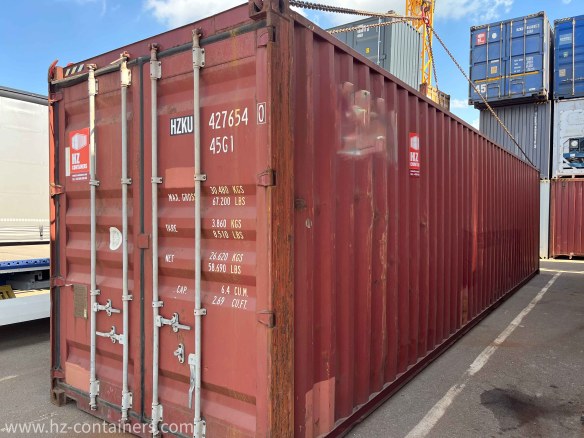
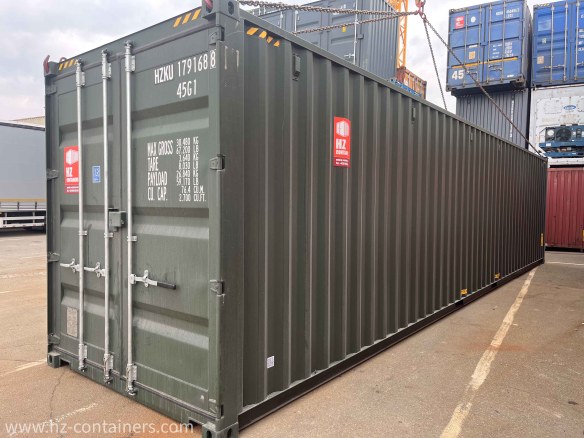
If you are currently considering purchasing a new shipping container, you are not alone. While just twenty years ago containers were used almost exclusively for maritime transport, today they have found their way into construction, storage, business, and even housing. This growing popularity brings with it a host of questions: Which type should you choose? How much does it cost? How do you recognize quality? How can you avoid falling victim to scammers?
New sea shipping containers
If you are currently considering purchasing a new shipping container, you are not alone. While just twenty years ago containers were used almost exclusively for maritime transport, today they have found their way into construction, storage, business, and even housing. This growing popularity brings with it a host of questions: Which type should you choose? How much does it cost? How do you recognize quality? How can you avoid falling victim to scammers?

6m shipping container
Are you thinking about buying a 6-meter shipping container but aren’t sure what to look for? You are not alone—this 20-foot container is the best-selling size on the Czech market, and the differences between various types, conditions, and prices can be significant. In this guide, you will find everything you need to know: from exact dimensions and a comparison of categories (such as “one-way,” refurbished, and “Cargo Worthy”) to current prices and shipping advice.