
Container – use as a stable for horses

Recently, more and more people have been turning to alternative solutions for housing their horses, which is why containers are gaining popularity. This innovative use of space allows for the creation of modern and functional stables that meet the demands of safety, comfort and practicality.
Containers are easily adapted to individual requirements and offer many advantages that traditional buildings often fail to provide. In this article, we look at how to effectively turn a shipping container into horse stabling and why this option is increasingly being chosen by horse owners looking for a modern solution.
Advantages of using a container for stabling horses
Containers are a very flexible construction solution. Horse owners actively use this option, especially because it guarantees maximum use of the available space and easy conversion of the interior according to the current needs of the operation. Conversion of a container into stables offers fast construction, minimal construction costs and space that easily protects horses from inclement weather. In addition, containers transported from standard shipping are easily transformed into modern stabling with sufficient ventilation and proper insulation. With the right design and modifications, containers can meet all hygiene and safety standards, which is essential for the health of the horses.
Animal safety and comfort
Housing horses in converted containers is characterised by a high standard of safety. Horse owners themselves install solid, separate rooms where the horses can move freely and ensure good lighting, ventilation and plenty of space for movement. The design of the container makes it easy to divide the space into compartments for horse boxes, common areas or areas for hygienic maintenance.
Thanks to the use of modern building materials, these shelters are highly resistant to moisture, insects and mould. The stable construction of the containers prevents unwanted movements and provides a solid foundation that minimises the risk of injuries to the horses during their daily stay in the stable.
Customisability and design flexibility
The transformation of a shipping container into a stable offers a wide range of customisation options. Horse owners can choose the layout of the interior according to the number of animals, specific breeding needs or requirements for additional facilities such as saddlery, storage areas or clubhouses. Stabling design is not limited to standard divisions; with the help of additional extensions and supplementary structures, containers can easily be extended to meet the technical needs of horse breeding, for example. The possibility of individual design allows for a unique environment where horses feel safe and owners are provided with all the technology and facilities for proper care.
Environmental aspects and sustainability

Converting used containers into horse housing also brings environmental benefits. By recycling old shipping containers we save natural resources and reduce waste. This offers a low carbon footprint as the production of new building materials is minimised and existing structures are given a new lease of life. In addition, owners can take advantage of energy-saving solutions such as solar panels or modern heat pumps that further increase the energy efficiency of the shelter. In this way, we support sustainable development and at the same time create a healthy environment for the horses.
Cost-effectiveness and speed of implementation
Investing in the conversion of a container into a horse stall is particularly worthwhile due to its low cost and quick implementation. Start with an available container and gradually adapt it to your own specifications. The advantage is that building a stall from a container is quick compared to traditional construction and allows you to start operations almost immediately. Horse owners calculate operating costs with energy efficiency and long-term maintenance of the housing in mind.
The investment will pay for itself by minimising repair costs and ensuring long-term reliability of the structure. The speed of implementation is particularly helpful in seasons when protection of horses from extreme weather conditions is needed.
Modern technologies and innovative solutions
The use of the container as a horse housing allows the introduction of modern technology into traditional breeding practice. The installation of automated feeders, temperature control and animal monitoring systems are becoming standard. Designers and engineers use modern construction methods to ensure proper insulation, ventilation and interior safety. As a result, owners can monitor the health and welfare of their horses with smart systems and sensors that alert them to any abnormalities. Modernising housing thus translates into daily care and benefits both the animals and their keepers.
Maintenance and easy modification of the building
The design of the converted container is designed to require minimal maintenance and allow for easy modifications. Keepers can decide when and how to make minor repairs or extensions to the interior. The solid construction of the containers resists wear and tear over time, so there is no need to worry about frequent repairs. Space modifications can be carried out quickly and efficiently, ensuring long-term functionality and safety of the housing. This variability brings comfort to horse breeders who are constantly looking for ways to optimise space and adapt it to the current operating conditions.

Practical application and field experience
The implementation of horse housing in converted containers has already been put into practice by many breeders. Our experience shows that container stables are characterized by high handling capacity, which can be adapted to the specific needs of individual breeds. In particular, breeders have appreciated the ability to quickly dismantle or move the housing without the need for major structural interventions.
Practical solutions include a well thought-out interior layout, where every inch is used to maximise the comfort of the animals. The application of modern technology to ensure the correct temperature and humidity in the space contributes to the prevention of disease and the overall well-being of the horses. Anyone who chooses this innovative housing method can easily combine practicality with modern design and enjoy a quick return on investment.
The conversion of a shipping container into horse housing provides an attractive alternative to conventional livery buildings. The advantages of this solution are reflected in its rapid implementation, cost-effectiveness, modern design and environmental sustainability. By using a container, you create a space that guarantees safety and comfort for your animals and that also allows for easy modification and modernisation of the interior. For breeders looking for a flexible and practical solution, the container becomes the ideal choice. Move away from conventional construction methods and adopt an innovative approach that respects nature, reduces costs and increases equine satisfaction.
Invest in quality finishes and be sure to follow modern trends in automation and energy efficiency. Keep control of the entire project and adapt the space to meet both the health requirements of the horses and your ideas of an ideal breeding environment.
Open the door to new possibilities and discover how traditional horse care can be combined with the latest construction and technological innovations. The container conversion project not only features practicality and affordability, but also brings an ecological dimension that will be appreciated by nature and future generations. Use every detail to ensure that your housing offers optimum conditions, from the correct box layout to safety systems that minimise the risk of accidents.
Container use as horse housing is therefore not just a trend, but a practical solution that can combine modern technology with timeless quality facilities for your animals. Build an environment where your horse will feel comfortable.
Other container news...
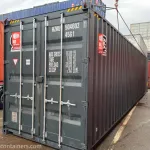
Can You Modify a 40ft High Cube Container?
The short answer is yes — you absolutely can modify a 40ft high cube container, and it is one of the most popular container types for modification projects worldwide. But the real question is not whether you can modify one; it is how to do it correctly, safely, legally, and within budget. This guide answers every dimension of that question, drawing on engineering principles, real-world pricing data, and the collective experience of thousands of modified container projects.
Key Takeaway: A 40ft high cube container offers 320 square feet of floor space with an extra foot of ceiling height compared to a standard container — making it the ideal canvas for offices, workshops, homes, retail spaces, and industrial applications. The extra height is particularly valuable when you add insulation and still want comfortable headroom.

Cargo worthy container
If you have ever shopped for a used shipping container, you have almost certainly encountered the term cargo worthy — often abbreviated as CW or CWO (Cargo Worthy Only). It is one of the most important classifications in the container industry, yet it is also one of the most misunderstood. A cargo worthy container is not a container that looks new. It is not necessarily a container that has a valid CSC plate. And it is definitely not the same as a wind and watertight container. This guide explains what cargo worthy really means — from its technical definition and historical origins to the precise structural criteria, inspection process, cost implications, and common misconceptions that trip up even experienced buyers.

Shipping container home
A shipping container home is a residential dwelling constructed from one or more steel intermodal containers — the same standardized metal boxes that transport goods across oceans, railways, and highways. These containers, engineered from corrosion-resistant Corten steel and designed to withstand brutal maritime conditions, are repurposed into fully habitable living spaces through insulation, structural modifications, and the installation of all standard residential utilities. A shipping container home can range from a minimalist 160-square-foot studio built from a single 20-foot container to a sprawling multi-level compound combining dozens of 40-foot high-cube units.
Core Definition: A shipping container home is a code-compliant, habitable structure built from one or more steel intermodal shipping containers that have been insulated, structurally reinforced where modified, and fitted with windows, doors, plumbing, electrical systems, and interior finishes to function as a permanent or semi-permanent residence.
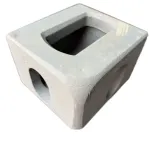
Corner casting steel vs aluminum
Every shipping container in the world — all 40 million of them — rests on eight critical components. Corner castings are the load-bearing blocks at each corner of an ISO shipping container, and they are the universal interface between the container and every crane, twistlock, spreader, and chassis on the planet. When you lift a container, stack it nine high on a ship, or lock it to a truck trailer, every ton of force flows through these fittings.