
Construction Containers for Rent
What are construction containers for rent and why use them?
Construction containers for rent are modular, portable structures designed for temporary storage, accommodation, administration, or work facilities on construction sites and projects. These are prefabricated units made from durable steel or a combination of steel and wood, which can be easily transported, installed, and dismantled without the need for a permanent construction solution. Renting construction containers represents a flexible, economical, and practical solution for builders, project managers, and entrepreneurs who need temporary space without long-term commitment or high capital expenditures.
Shipping Container Rental Price List
The key advantage of rental lies in its flexibility. Unlike purchasing, a rented container can be returned once you no longer need it, without worrying about its further use or sale. Construction companies and project teams can thus adapt their facilities precisely according to current project needs – whether it’s a short demolition, extensive house construction, or a long-term industrial project.
Definition and primary purpose of a construction container
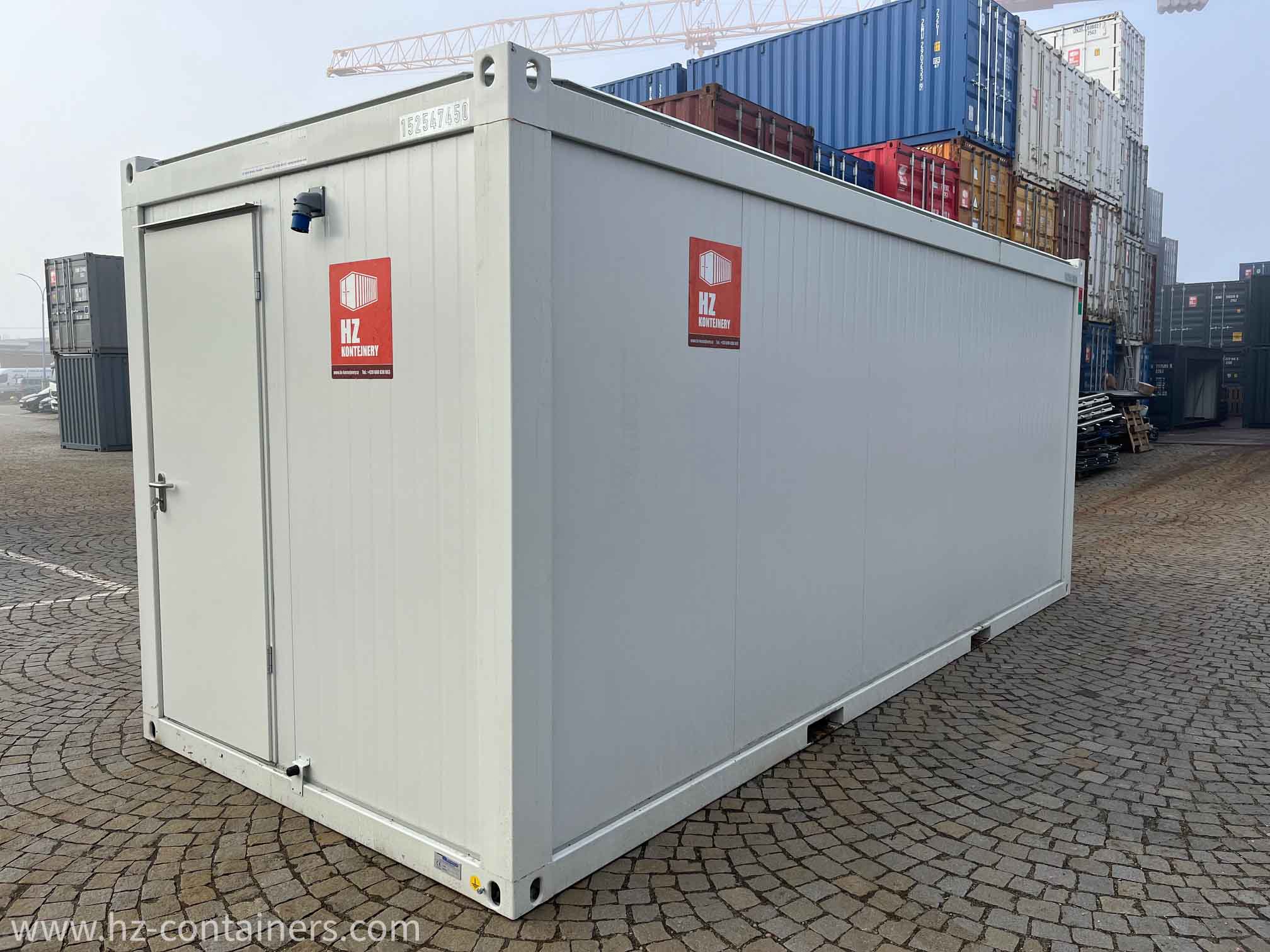
A construction container is a standardized, modular unit that serves as temporary facilities on construction sites. Its primary purpose is to provide a quick, inexpensive, and flexible solution for spaces that would otherwise require establishing a permanent structure. Construction containers differ from shipping or storage containers in that they are optimized for working environments – they have better insulation, internal equipment (lighting, heating, ventilation), and are designed for easy relocation and installation.
Renting means that a construction company or project owner does not have to invest in purchasing a container, but only pays for the time they actually need it. The lessor takes care of maintenance, insurance, and transportation, which simplifies logistics and project budgeting for the construction manager.
Brief history of modular buildings and containers
Modular buildings have an interesting history dating back to the mid-20th century. The concept of portable construction units was born in the 1950s and 1960s, when industrial companies sought efficient solutions for temporary offices and warehouses on construction sites. The initial versions were simple – basic wooden sheds with basic equipment.
With the advent of standardized shipping containers in the 1970s, the concept transformed. Companies began converting decommissioned shipping containers into residential and work units. This trend gradually became professionalized, and specialized manufacturers of construction containers emerged with better insulation, internal equipment, and structural safety. In the 1980s and 1990s, construction container rental became standard practice in Europe and North America.
In the Czech Republic, construction container rental expanded mainly after 1990 with the onset of modern construction activity. Today it is a common service provided by dozens of lessors with various types and sizes of containers. Modern construction containers are highly functional, energy-efficient, and meet strict safety and hygiene standards.
Main advantages of renting a construction container
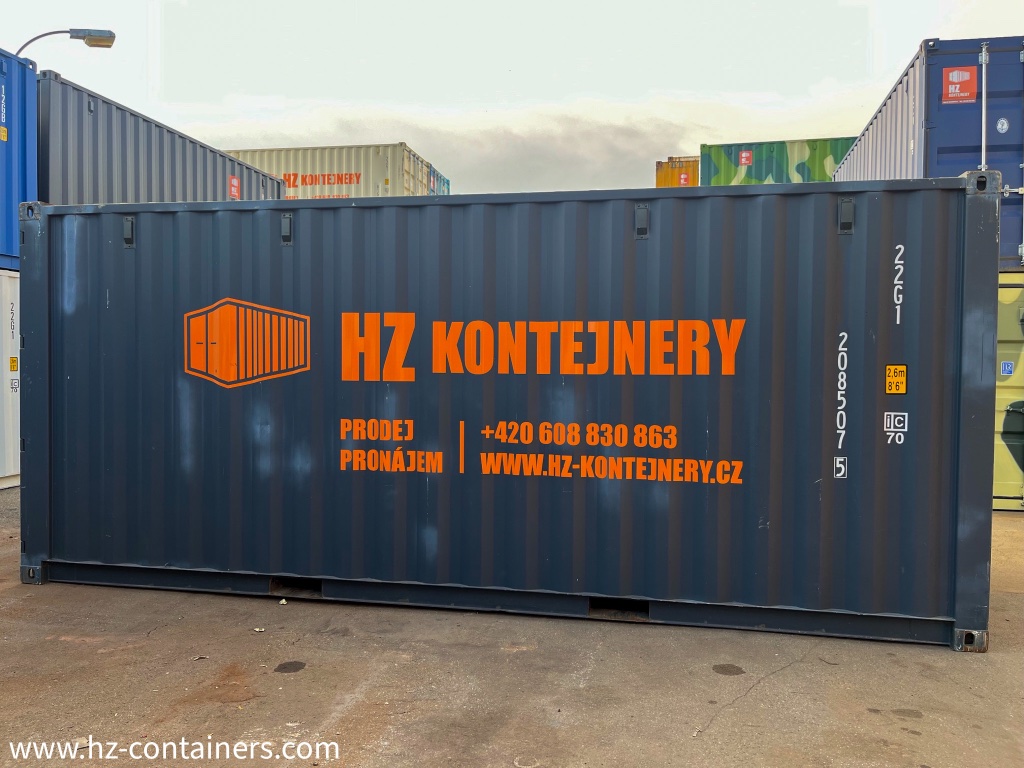
Renting a construction container brings a number of specific advantages that make it an attractive solution for builders:
Low initial costs: Rental requires only monthly or weekly payment, without large capital investment. Purchasing a container would cost tens of thousands of crowns and would require long-term financing.
Flexibility in duration: You can rent a container for weeks, months, or years – depending on your project needs. If the project ends earlier, simply return it.
Maintenance and repairs: The lessor is responsible for maintenance, repairs, and technical inspections. You don’t have to worry about the container’s condition.
Transportation and installation: Professional lessors provide transportation to the construction site, placement, and dismantling. There’s no need to handle logistics.
Insurance: Standard rented containers are insured by the lessor, which reduces your risk.
Variety of types: Lessors offer various types – from warehouses to offices to accommodation units. You can choose exactly what you need.
| Criterion | Container Rental | Container Purchase |
|---|---|---|
| Initial Investment | Low (0 CZK) | High (200,000–800,000 CZK) |
| Monthly Costs | 2,500–8,000 CZK | 0 CZK (maintenance only) |
| Rental Period | Flexible (weeks to years) | Permanent |
| Maintenance and Repairs | Lessor | Your cost |
| Insurance | Lessor | Your cost |
| Transportation | Lessor provides | Your cost |
| Ideal for | Projects with uncertain duration | Long-term solution |
What types of construction containers are there?
Construction containers are divided into several basic types according to their primary purpose. Each type has specific internal equipment and construction parameters optimized for the given type of use.
Residential containers and construction units
Residential containers, often also called construction units, are designed for accommodating workers, site management, or as office spaces. A typical construction unit has dimensions of approximately 6 meters in length, 2.5 meters in width, and 2.8 meters in height, providing internal space of approximately 40–50 square meters.
Internal equipment of residential containers includes lighting, heating (electric or gas), ventilation, and often air conditioning. Many lessors offer various levels of equipment – from basic versions with only electric heating to luxury variants with sanitary facilities, kitchenette, and furniture. These containers are ideal for site management (construction managers, designers), as accommodation units for workers, or as temporary offices.
Storage and work containers
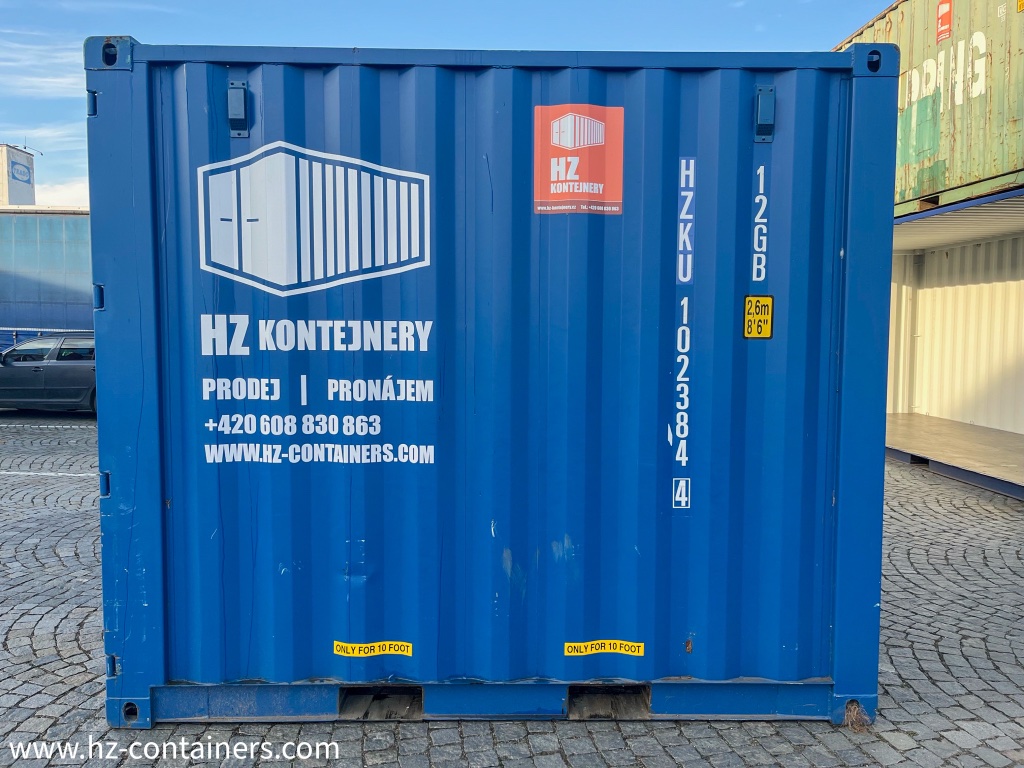
Storage containers primarily serve to protect materials, tools, and equipment from weather and theft. Unlike residential containers, they have minimal internal equipment – usually just basic lighting and the possibility of electricity connection. Their primary goal is secure storage, not comfort.
Work containers are used as workshops, tool storage, or work spaces for the construction manager. They often have sliding doors, shelves, and are optimized for efficient organization of work content. Some lessors offer special work containers with built-in work tables, shelves, and drawers.
Sanitary and special containers
Sanitary containers contain toilets, sinks, showers, and sometimes small bathrooms. These units are equipped with water supply and sewage and are essential on construction sites without access to standard infrastructure. Special containers include, for example, mobile gatehouse units (for security), cash registers, sales stands, or containers for storing hazardous materials.
What are the dimensions and capacities of construction containers?
Standard dimensions of construction containers are based on international standards, but there are variations depending on type and lessor. Most commonly, you will encounter containers 6 meters long or 20 feet (approximately 6.1 meters).
Standard dimensions of construction containers
| Container Type | Length | Width | Height (external) | Height (internal) | Internal Space | Typical Use |
|---|---|---|---|---|---|---|
| Small (20 feet) | 6.0 m | 2.5 m | 2.8 m | 2.6 m | ~38 m² | Offices, storage |
| Large (40 feet) | 12.0 m | 2.5 m | 2.8 m | 2.6 m | ~76 m² | Extended offices, accommodation |
| Residential unit | 6.0 m | 2.5 m | 2.8 m | 2.6 m | ~40 m² | Accommodation, site management |
| Combined unit | 6.0 + 6.0 m | 2.5 m | 2.8 m | 2.6 m | ~80 m² | Comprehensive facilities |
Internal space is always smaller than theoretical capacity, because part of the space is taken up by walls, insulation, and equipment. When planning container rental, it is important to account for this factor.
Choosing the right size for your project
Selecting the right size is key to efficiency and budget. A container that is too small will not be sufficient and you will have to rent another, which will increase costs. A container that is too large is unnecessarily expensive and takes up more space on the construction site.
When choosing, consider:
- Number of people you need to accommodate or provide work space for – on average, one person needs 5–10 m² of comfortable work space
- Type of material being stored – heavy materials require lower but wider containers; light materials can be stacked higher
- Project duration – long-term projects may justify investing in more containers for better organization
- Available space on the construction site – sometimes it is physically possible to place only a container of a certain size
Good practice is to consult with your lessor, who will recommend the optimal solution based on your project description.
How much does construction container rental cost?
Construction container rental prices vary depending on several factors. There is no single price list, as each lessor has their own calculation, but we can provide you with indicative data based on market research.
Factors affecting rental price
Container type: Residential containers with internal equipment (heating, lighting) are more expensive than simple storage containers. Sanitary containers are in the upper price category.
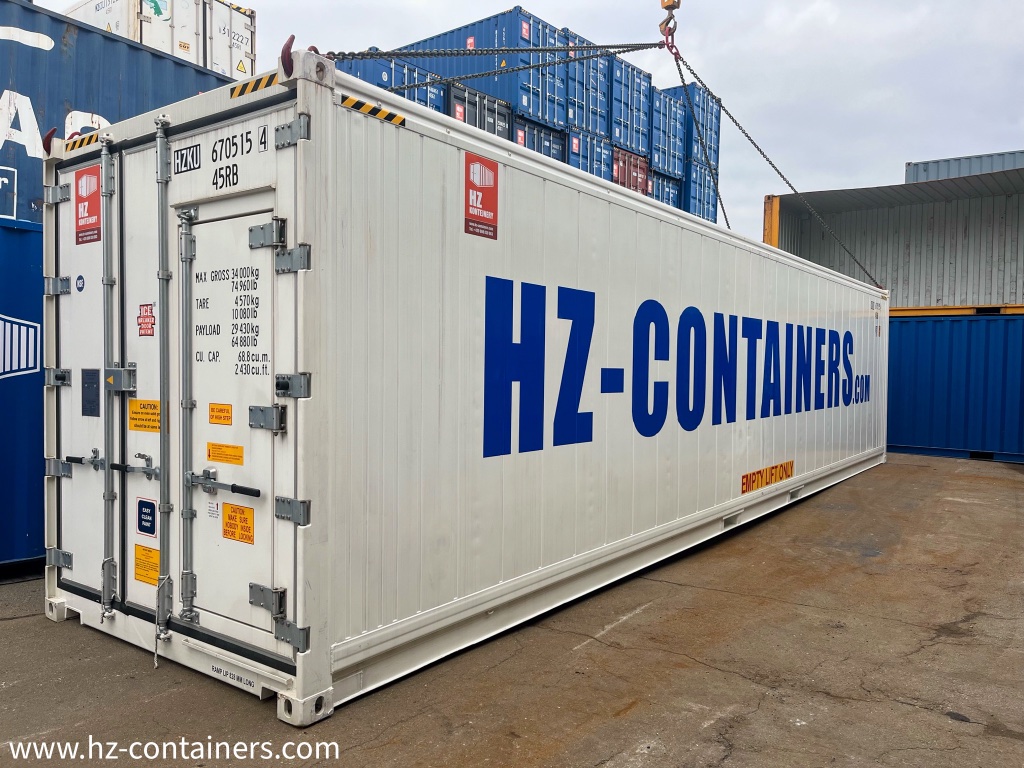
Size: A 20-foot (6-meter) container is cheaper than a 40-foot (12-meter) container. The difference is usually 30–50% in favor of the smaller container.
Rental period: Lessors provide discounts for long-term rental. Weekly rental works out to more per day than monthly rental.
Transportation and installation: The distance of the construction site from the lessor affects the transportation price. Some lessors have free transportation within a certain radius (e.g., 20 km from Prague), beyond which they charge for it.
Insurance and additional services: Insurance, maintenance, electricity, and water are often charged separately.
Seasonality: In summer, when there is the most construction activity, prices may be higher. In winter and autumn, they are usually lower.
Indicative price list and price comparison
Based on a survey of lessors in the Czech Republic (2025), the indicative prices are as follows:
| Container Type | Size | Short-term Rental (up to 30 days) | Monthly Rental | Long-term Rental (6+ months) |
|---|---|---|---|---|
| Storage Container (20′) | 6 m | 150–200 CZK/day | 3,500–4,500 CZK/month | 3,000–3,500 CZK/month |
| Storage Container (40′) | 12 m | 200–250 CZK/day | 5,000–6,500 CZK/month | 4,500–5,500 CZK/month |
| Residential Container (20′) | 6 m | 250–350 CZK/day | 4,500–6,500 CZK/month | 3,500–4,500 CZK/month |
| Residential Container (40′) | 12 m | 350–450 CZK/day | 7,000–9,000 CZK/month | 6,000–7,500 CZK/month |
| Sanitary Container | 6 m | 300–400 CZK/day | 6,000–8,000 CZK/month | 5,000–6,500 CZK/month |
Note: Prices do not include transportation, which is usually charged separately (500–2,000 CZK depending on distance). Insurance adds 5–10% to the price.
Hidden costs and how to minimize them
When renting a construction container, you will encounter additional costs that are not always obvious:
Transportation and installation: The lessor will bring the container and place it. If you later need to move it to another location on the construction site, this is usually charged as an additional service (500–1,500 CZK).
Insurance: If you want to insure the contents of the container (tools, materials), this is an additional cost. The lessor usually insures the container itself, not its contents.
Maintenance and repairs: If you damage the container during rental, the lessor may charge you for it. Minor damage is usually covered by insurance, but larger damage may be your responsibility.
Electricity and water: If you rent a residential container with heating, electricity is usually charged separately (according to consumption) or as a flat monthly fee (500–1,000 CZK).
Construction site preparation: The container must stand on a level, compacted surface. If you don’t have one, the lessor may recommend that the construction company prepare the site.
How to minimize hidden costs:
- Ask the lessor what is included in the price and what is not
- Request a written calculation with all fees
- Insure the contents of the container (tools, materials) separately
- Take good care of the container to avoid damage charges
- Arrange long-term rental if you know you will need it longer – the savings will pay off
How to choose the right construction container?
Choosing the right construction container is crucial for the efficiency and budget of your project. The process should be systematic and should take into account the specific needs of your construction.
Analysis of your needs
Before contacting a lessor, clearly define what you need:
- Type of project: Is it demolition, house construction, renovation, industrial project? Each type requires different facilities.
- Number of people: How many construction managers, workers, or administrative staff will need space in the container? Calculate 5–10 m² per person.
- Duration: Will the project last weeks, months, or years? Longer projects may justify purchasing your own container.
- Container contents: What will you store or do in the container? Tools, materials, administration, accommodation, or a combination?
- Available space: How much space do you have on the construction site? Can a 12-meter container fit, or do you need a smaller 6-meter one?
- Infrastructure connections: Do you need electricity, water, heating, air conditioning? Or is space without equipment sufficient?
Criteria for selecting a lessor
Once you know what you need, it’s time to choose a lessor. When selecting, consider:
Reputation and experience: Choose a lessor with positive reviews and long-standing experience. Verify references from other construction companies.
Availability and service: The lessor should be able to deliver the container within a reasonable timeframe (usually 1–3 days) and should provide technical support during the rental.
Container quality: Inspect the container in person if possible. It should be clean, without rust spots, with functional internal equipment.
Insurance: Verify that the lessor has insurance on their containers. This protects both parties.
Flexibility: The lessor should be willing to adapt terms, size, and container type to your needs.
Price: Compare prices between several lessors, but don’t consider only the lowest price. Sometimes a cheaper lessor provides worse service.
Checklist before rental
Before signing a contract, take the following steps:
- Container inspection: Inspect the container inside and out. Check the functionality of doors, lighting, heating, and other equipment.
- Photo documentation: Take photographs of the container’s condition. This protects you in case of a dispute over damage.
- Contract: Carefully read the contract. It should contain the container type, price, rental period, return conditions, and insurance.
- Insurance: Verify what insurance is included and what your obligations are.
- Transportation and installation: Arrange who provides transportation and installation, and whether it is included in the price.
- Lessor contact: Keep the lessor’s contact information for any problems that may arise during the rental.
What is the difference between a construction and storage container?
The terms “construction container” and “storage container” are often confused, but there are important differences between them. Understanding these differences will help you choose the right solution for your project.
Construction container vs. shipping container
| Aspect | Construction Container | Shipping/Storage Container |
|---|---|---|
| Primary Purpose | Temporary facilities on construction sites (offices, accommodation, storage) | Transportation of goods by sea, rail, road |
| Internal Equipment | Lighting, heating, ventilation, sometimes air conditioning | No internal equipment, empty space |
| Insulation | Quality insulation (5–10 cm) for thermal comfort | Minimal insulation, oriented toward durability |
| Doors and Access | Sliding or opening doors, easy access | Large opening doors (20 feet), difficult to access |
| Standards | Building codes, safety requirements | ISO standards (ISO 668, ISO 1496), CSC plate |
| Rental Price | Higher (4,500–9,000 CZK/month) | Lower (3,000–5,000 CZK/month) |
| Lifespan | 10–15 years in operation | 20–30 years (but originally designed for transportation) |
| Maintenance | Lessor takes care of maintenance and equipment | Less demanding maintenance |
When to use construction and when storage container
Choose a construction container when:
- You need space for workers (offices, accommodation, changing rooms)
- You want to store sensitive materials (which require protection from weather and temperature fluctuations)
- You need electricity and heating connections
- You work in winter or adverse weather
- You want higher comfort for your workers
Choose a storage/shipping container when:
- You store robust materials (construction debris, wood, steel) that are not temperature-sensitive
- You don’t need internal equipment
- You have a more limited budget
- You need a container for a long time (lower monthly costs)
- You have sufficient space on the construction site and the container will fit
In practice, both types are often combined on construction sites – a construction container serves as offices and social facilities, while a storage container serves to protect materials.
Legal and regulatory aspects of construction container rental
Construction container rental is not just a practical matter, but also a legal one. It is important to understand what obligations and rights you have as a tenant.
Building permits and legislative requirements
In the Czech Republic, construction container rental on a construction site is generally not subject to building permits. The container is considered temporary equipment that is returned to its original state. However, there are exceptions:
- Building permit is NOT required if it is temporary equipment for a period of up to 2 years
- Building permit IS required if you want to place the container on a property outside the construction site (e.g., as permanent storage)
- Notification to the building authority may be required if the construction site extends into public space (sidewalk, road)
Always consult with your local building authority, especially if the construction site is in a historic city center or protected area. The lessor will usually advise you on what permits are needed.
Insurance and liability
The lessor is usually responsible for insuring the container itself. As a tenant, you are responsible for:
- Container contents – if you want to insure tools, materials, or equipment in the container, you must insure it yourself
- Damage during rental – if you damage the container (e.g., broken window, scratches, cracks), the lessor may charge you for it
- Safety on the construction site – you are responsible for ensuring the container is safely placed and no accidents occur
Before signing the contract, verify what insurance is included and what your obligations are in case of damage.
Common mistakes and misconceptions about construction containers
When renting a construction container, construction managers and builders often make mistakes that cost them time and money. Here are the most common mistakes and how to avoid them.
Mistakes in selecting type and size
Mistake #1: Underestimating space needs
Many construction managers rent a container that is theoretically large enough, but in practice turns out to be too small. Reason: they forget that internal space is smaller than theoretical capacity, and that part of the space is taken up by equipment (shelves, tables, heating).
How to avoid it: Calculate 5–10 m² per person for work space and add 20% reserve. Consult with your lessor.
Mistake #2: Choosing the wrong container type
Someone rents a storage container for worker accommodation without realizing it has no heating or lighting. Result: unhappy workers and additional costs for buying heaters.
How to avoid it: Clearly define what type of container you need and consult with the lessor.
Mistake #3: Ignoring seasonality
A construction manager rents a container without heating in winter because it’s cheaper. Result: workers are freezing in winter, productivity drops.
How to avoid it: Consider seasonality and invest in appropriate equipment (heating, air conditioning).
Misconceptions about price and quality
Misconception #1: Cheapest is best
Someone rents the cheapest available container and then finds it in terrible condition – rusty, without working lighting, with holes in the floor.
Reality: The cheapest lessor often offers the worst quality. Compare prices, but also quality and service.
Misconception #2: All containers are the same
No. Container quality varies. Some are newly renovated, others are old and worn. The difference in quality will positively or negatively affect your rental.
Reality: Consider quality, not just price. A better container for 500 CZK more per month will pay off.
Misconception #3: Hidden costs don’t exist
Someone rents a container for 4,500 CZK per month and then finds that transportation costs 2,000 CZK, insurance 500 CZK, and electricity 1,000 CZK. The actual price is 8,000 CZK.
Reality: Always request a detailed calculation with all fees. Ask what is and is not included in the price.
Future of modular buildings and container rental
Construction container rental is constantly evolving. Trends in this field reflect broader changes in construction, technology, and environmental awareness.
Trends in modular construction
Automation and prefabrication: Modern construction containers are increasingly prefabricated – manufactured in factories with higher precision and quality. This leads to faster installation on site and lower costs.
Digitalization: Lessors are beginning to use mobile applications and online platforms for rental management. Tenants can easily order, track status, and communicate with the lessor.
Modular combinations: Instead of one large container, increasingly smaller units are used that can be stacked and adapted to specific needs.
Improved insulation and energy efficiency: New construction containers have better insulation and energy-efficient heating and air conditioning, which reduces operating costs.
Sustainability and environmental aspects
Sustainability is becoming a key factor in construction container rental:
Recycling and reuse: Construction containers are designed for long lifespan and repeated use. This is more environmentally friendly than building permanent structures that are later demolished.
Materials: Lessors are beginning to use more environmentally friendly materials – recycled steel, certified wood, and low-energy equipment.
Energy efficiency: New containers have better insulation and LED lighting, which reduces electricity consumption and carbon footprint.
Water management: Sanitary containers are increasingly focused on water conservation – low-flow faucets, composting toilets.
Construction container rental is therefore not only a practical and economical solution, but also a contribution to more sustainable construction.
Frequently Asked Questions
What is a construction container?
A construction container is a modular, portable structure designed for temporary storage, accommodation, administration, or work facilities on construction sites. It is a prefabricated unit made from steel or a combination of steel and wood, which can be easily transported, installed, and dismantled without the need for a permanent construction solution.
What are the main types of construction containers?
The main types are: residential containers (construction units) for accommodation and offices, storage containers for material protection, sanitary containers with toilets and showers, and special containers (gatehouse units, cash registers, sales stands).
How much does construction container rental cost?
Prices vary depending on type and size. Indicatively: a 20′ storage container costs 3,500–4,500 CZK per month, a 20′ residential container costs 4,500–6,500 CZK per month. Long-term rental is cheaper. Transportation and other services are charged separately.
How long can I rent a construction container?
You can rent a container for any length of time – from a few weeks to years. Lessors provide discounts for long-term rental (6+ months).
Do I need a building permit to rent a construction container?
In the Czech Republic, a building permit is usually not required if it is temporary equipment for a period of up to 2 years on a construction site. However, always consult with your local building authority.
Who takes care of maintenance and insurance of the rented container?
The lessor usually takes care of maintenance and insurance of the container itself. You are responsible for the contents of the container and for ensuring it is not damaged during the rental.
What is the difference between a construction and storage container?
A construction container has internal equipment (lighting, heating, ventilation) and is optimized for a working environment. A storage container is empty space without equipment, designed primarily for material protection. Construction containers are more expensive, but more comfortable.
How do I choose the right construction container?
Consider the type of project, number of people, duration, available space, and required equipment. Consult with the lessor and compare offers from several lessors. Choose a lessor with a good reputation, quality containers, and good service.
What are the hidden costs of construction container rental?
Hidden costs include transportation, insurance, electricity, water, maintenance, and damage charges. Always request a detailed calculation with all fees before signing the contract.
Are construction containers ecological?
Yes, to some extent. Construction containers are designed for long lifespan and repeated use, which is more environmentally friendly than building permanent structures. Modern containers have better insulation and energy-efficient equipment, which reduces electricity consumption and carbon footprint.

 Czech Republic, Třebíč
 WITHOUT SHIPPING


Other container news...

Shipping container types
Roughly 80% of everything you own traveled to you inside a steel box. Shipping containers—also called cargo containers, ISO containers, or “conex” boxes—are the backbone of global trade, carrying about 90% of the world’s non-bulk cargo across oceans, rails, and highways. Yet a “shipping container” is not one single object. It is a family of specialized steel boxes, each engineered for a specific kind of cargo: some vent, some freeze, some open from the top, and some have no walls at all.

Where Can I Buy a 40ft High Cube Container?
A 40ft high cube container represents one of the most versatile and cost-effective storage and shipping solutions available today. Whether you are expanding warehouse capacity, starting a container home project, or need secure on-site storage for a construction site, knowing where to buy one — and what to expect — can save you thousands of dollars and weeks of frustration. This guide walks you through every aspect of purchasing a 40ft high cube container, from understanding what it actually is to comparing sellers, navigating delivery logistics, and handling permits.

How much does a 40 foot shipping container cost?
A 40 foot shipping container is the single most common large-format steel container in the world. Whether you are adding on-site storage, moving freight overseas, or converting a unit into a home or workshop, the first question almost everyone asks is the same: how much does a 40 foot shipping container cost?
The short answer is that a 40 foot shipping container price in the United States typically lands between $1,500 and $7,000 depending on condition, height, location, and delivery. Used, wind-and-watertight 40ft units often start near $1,500–$2,700, while a brand-new one-trip 40ft high cube can exceed $4,000–$6,500. The gap between those two ends of the range is wide because a “shipping container” is not one product—it is a graded commodity whose value shifts with its physical condition, its market, and even the distance from your site to a major port.

How to move a shipping container
Moving a shipping container is rarely as simple as “put it on a truck and drive.” A standard steel container weighs over two tons even when empty, spans 20 to 40 feet (or more), and has no wheels, no hitch, and no built-in way to attach to standard equipment. Whether you are repositioning a storage container across a jobsite, delivering one to a rural property, or relocating a loaded unit across the country, the method you choose determines your cost, your timeline, and whether the move succeeds at all.