Shipping Container iC 87
The term Shipping Container iC 87 refers to a specific classification of shipping containers used in intermodal cargo transport. This classification combines general container specifications with a unique certification designation. The code “iC 87” means that the container has been approved for use by the organization SNCF (French National Railways) as part of an international railway safety certification system known as InterContainer (IC). This certification ensures that the container meets strict safety and operational requirements for transport across various modes of transportation, such as rail, sea, and road.
As part of a globally standardized system, the Shipping Container iC 87 enables seamless intermodal transport, ensuring efficient, safe, and environmentally sustainable movement of goods. It plays a key role in the modern global logistics network and supports safe and efficient transport of goods across international borders.
What is a Shipping Container?
A Shipping Container is a standardized, reusable steel structure designed for safe storage and transport of goods. These containers are manufactured in accordance with international standards, primarily ISO 6346, which regulates their dimensions, identification markings, and safety features.
Key characteristics of shipping containers:
- Standardization: ISO standards ensure compatibility with global transport systems, such as ships, trains, and trucks.
- Durability: Made from durable steel that withstands adverse conditions, including sea salt, temperature fluctuations, and mechanical handling.
- Versatility: Available in various configurations, including general-purpose, refrigerated (reefers), tank, and open-top containers.
- Efficiency: Enables intermodal transport without the need to unload and reload goods between different modes of transportation.
Shipping containers are the backbone of global logistics, contributing to streamlined processes, cost savings, and reduced environmental impact through efficient resource utilization.
What does “iC” mean?
The designation “iC” on a container stands for InterContainer, which is an international railway safety certification system managed by the International Union of Railways (UIC). This designation ensures that the container meets specific requirements for railway transport in various countries.
Meaning of the iC code:
- iC: Indicates that the container is certified for railway transport.
- 87: Specifies the certifying railway organization. In the case of iC 87, this is SNCF (French National Railways).
Why is iC certification important?
- Safety Assurance: Guarantees compliance with UIC standards, reducing operational risks such as load imbalance or structural failure during transport.
- Intermodal Compatibility: Certification ensures smooth integration across railway systems at the international level.
- Simplified Customs Procedures: Standardized markings and certification facilitate customs clearance.
- Operational Reliability: Minimizes the risk of transport disruptions and ensures that goods arrive at their destination safely and on time.
iC certification significantly contributes to the safety, efficiency, and reliability of intermodal transport systems worldwide.
Key Features of Shipping Container iC 87
Shipping Container iC 87 combines the general functions of shipping containers with specific certifications and markings. Below are its main characteristics:
1. Universal Design
The iC 87 container is typically a general-purpose container, suitable for transporting a wide range of non-hazardous (dry) cargo. It is a “dry container” with the following specifications:
- Standard Dimensions: Typically 20 feet (6.1 m) or 40 feet (12.2 m) in length.
- Closed Construction: Fully enclosed, watertight design that protects goods from external elements.
2. Railway Transport Certification
The number “87” in the iC code indicates certification by SNCF (French National Railways). This certification is key for containers that operate on railway networks in Europe. It ensures compatibility with international railway systems and compliance with strict safety standards.
3. Compliance with ISO 6346 Standard
As an ISO container, iC 87 meets standards regarding:
- Identification Markings: Unique container numbers, check digits, and size/type codes.
- Dimensions and Strength: Ensures compatibility with cranes, ships, and other transport equipment.
- Safety Standards: Contains a CSC (Convention for Safe Containers) plate, which verifies compliance with international safety regulations.
4. Markings and Operational Information
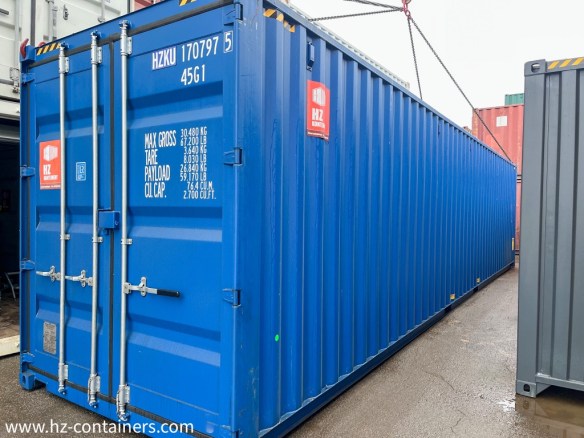
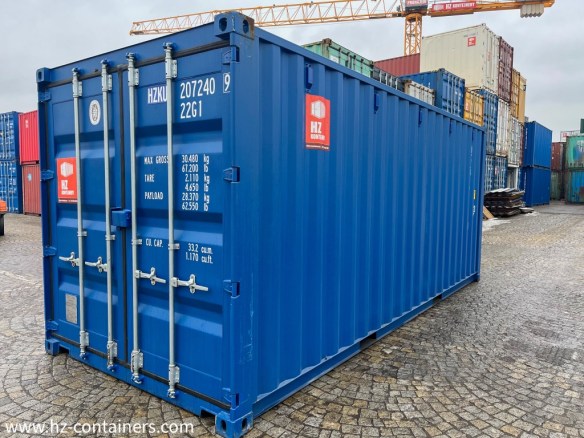
The container contains standardized markings providing key information about its specifications and operational limits:
- Container Number: A unique alphanumeric identifier (e.g., ABCU1234567).
- Check Digit: Verifies the validity of the container number.
- ISO Size/Type Code: Determines the dimensions and type of container (e.g., 22G1 for a 20-foot general-purpose container).
- Maximum Gross Weight: Typically around 30 tons.
- Tare Weight: Between 4–10 tons.
- Payload Capacity: Maximum weight of cargo that can be loaded (gross weight minus tare weight).
Advantages of Using Shipping Container iC 87
- Intermodal Compatibility: iC 87 certification ensures that the container is compatible with various modes of transport, including rail, sea, and road, thereby reducing logistics complications.
- Enhanced Safety: Railway transport certification meets strict safety standards and reduces risks during transport.
- Simplified Customs Procedures: Standardized markings and certification facilitate customs clearance, especially for international shipments.
- Durability: Designed to withstand adverse conditions, ensuring the safety of goods during long supply chains.
- Cost Efficiency: Standardized design reduces handling costs and accelerates loading/unloading operations.
Common Uses
Shipping Container iC 87 is versatile and is used across various industries, including:
- Retail and Consumer Goods: Transport of non-hazardous items such as clothing, electronics, and packaged food.
- Automotive Industry: Transport of automotive parts and spare parts.
- Industrial Equipment: Transport of machinery and heavy equipment.
- Agriculture: Export of grain, seeds, and other dry agricultural products.
Related Terms and Keywords
To understand the context of Shipping Container iC 87, it is important to familiarize yourself with the following terms:
1. General-Purpose Containers
A type of container designed for transporting dry goods. Most iC 87 containers fall into this category.
2. ISO 6346 Standard
An international standard that regulates container identification, size/type codes, and operational markings.
3. Check Digit
A numerical verification system ensuring the correctness of the container’s identification number.
4. Maximum Gross Weight
The total allowable weight of the container, including its own weight and cargo.
5. Intermodal Transport
Seamless movement of goods across multiple modes of transport (e.g., ship, train, truck) without the need to unload the cargo.
6. UIC (International Union of Railways)
The organization responsible for overseeing railway standards and certifications, including the InterContainer (iC) system.
7. SNCF (French National Railways)
The national railway operator in France that issues iC 87 certification.
Comparison with Other iC Codes
The number “87” in iC 87 indicates certification by SNCF, but other iC codes represent different certifying organizations:
| iC Code | Railway Organization |
|---|---|
| iC 61 | Korean National Railways |
| iC 70 | British Railways |
| iC 80 | Deutsche Bahn (German Railways) |
| iC 81 | Austrian Federal Railways |
Although the certification process may vary slightly, all containers marked with iC meet general UIC safety and operational standards.
Final Thoughts
Shipping Container iC 87 is an integral part of the global logistics network. It combines robust construction, compliance with ISO standards, and specific railway certification, making it a reliable choice for businesses involved in international trade. By adhering to standardization and safety protocols, iC 87 containers facilitate efficient and safe transport across borders, ensuring that goods arrive at their destination undamaged and on time.
Understanding the significance of the iC 87 designation not only improves operational efficiency but also ensures compliance with international transport regulations, making it a cornerstone of modern transport systems.

 Czech Republic
  WITHOUT SHIPPING