
Maintenance of Reefer Containers
What is a Reefer Container?
A refrigerated container, commonly known as a “reefer container“, is a specialized intermodal container designed for the transportation of temperature-sensitive goods. These containers are crucial for cold chain logistics, ensuring the transport of perishable goods such as food, pharmaceuticals, and chemicals at optimal temperature conditions.
Reefer containers are equipped with complex cooling and insulation mechanisms that maintain temperatures ranging from -70 °C to +25 °C, depending on the requirements of the transported cargo. Their functionality depends primarily on integrated electrical cooling units, which can be supplemented with additional power sources, such as diesel generators for off-grid operation.
Advanced reefer containers may also be equipped with remote monitoring systems, enabling real-time tracking and regulation of internal conditions such as temperature, humidity, and gas levels. This technology is particularly important for industries handling biological samples, pharmaceuticals, and goods requiring ultra-low temperatures.
Importance of Refrigerated Container Maintenance
Why is Maintenance Necessary?
Maintenance of reefer containers is not only about their preservation, but also about ensuring the integrity of the transported cargo. Proper maintenance is important for several reasons:
- Cargo Integrity: Maintaining constant internal temperature prevents deterioration and ensures the quality and safety of temperature-sensitive goods.
- Operational Efficiency: Regular maintenance guarantees efficient operation of the cooling system, reduces energy consumption, and prevents unexpected failures.
- Lifespan: A well-maintained reefer container has a longer lifespan, which delays the need for expensive replacement.
- Regulatory Compliance: Following maintenance schedules ensures compliance with international shipping regulations and specific industry requirements.
- Cost Savings: Preventive maintenance minimizes the risk of costly repairs and limits operational downtime.
In addition to these benefits, effective maintenance of reefer containers enhances the reputation of logistics companies by ensuring timely and safe delivery of goods.
Main Components of Reefer Containers and Their Maintenance
Reefer containers contain complex systems that require regular inspections and maintenance. Understanding the main components and their functions is key to effective care.
1. Control System
- Function: The control system is the brain of the reefer container, regulating internal temperature, humidity, and alarm settings. It ensures an optimal environment for the cargo.
- Maintenance: Regularly calibrate the system, check for software updates, and address malfunctions immediately. Also test the functionality of remote monitoring if present.
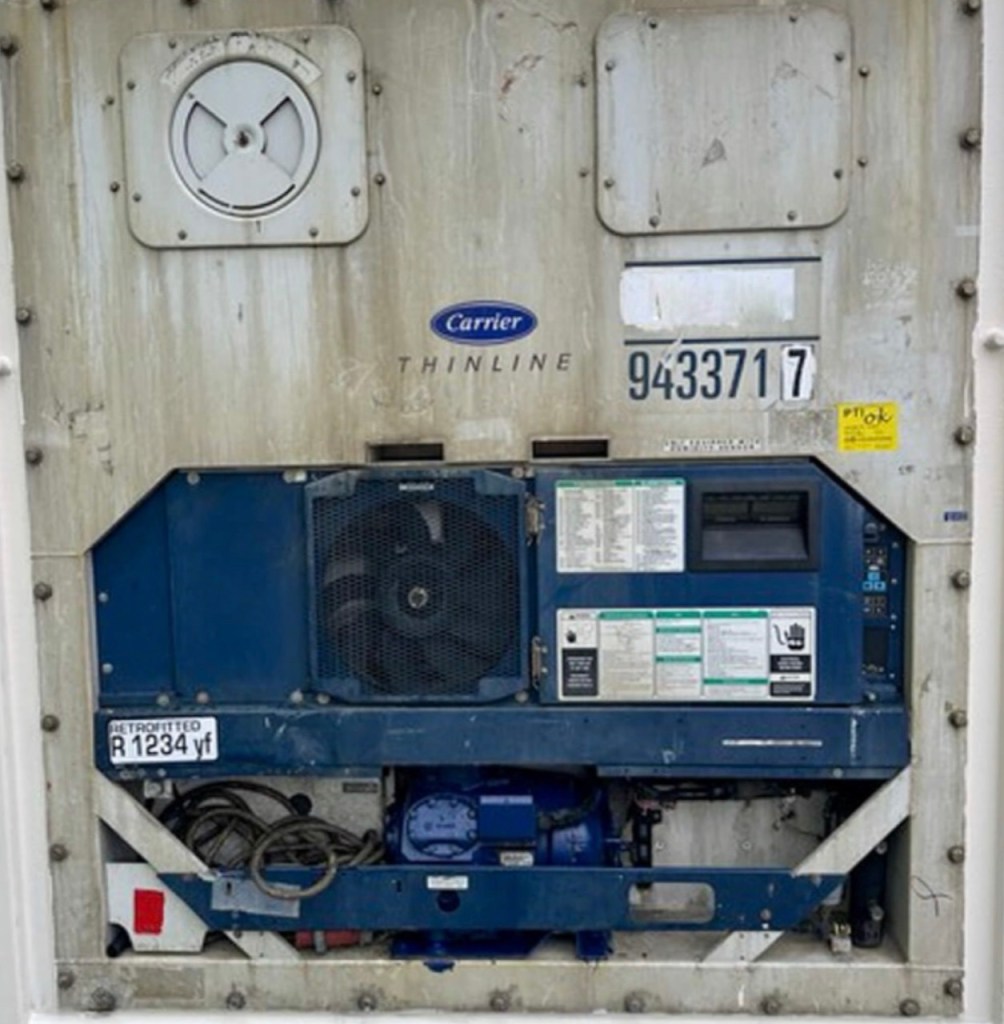
2. Compressor
- Function: The compressor is the heart of the cooling system, compressing low-pressure gas into high-pressure gas, thereby initiating the cooling process.
- Maintenance: Check the compressor for oil leaks and listen for unusual sounds. Replace worn belts or filters as needed.
3. Condenser and Condenser Fans
- Function: The condenser converts high-pressure gas into liquid, dissipating heat, which is aided by condenser fans.
- Maintenance: Regularly clean condenser coils to prevent dust accumulation, and ensure proper operation of the fans.
4. Evaporator and Evaporator Fans
- Function: The evaporator absorbs heat from the cargo space and effectively cools the interior. Evaporator fans ensure proper air circulation.
- Maintenance: Regularly defrost the evaporator, check for blockages, and clean the fans for efficient air flow.
5. Expansion Valve
- Function: The expansion valve reduces the pressure of the refrigerant, converting it into vapor and enabling the cooling process.
- Maintenance: Ensure the valve is not blocked and functions properly. Replace it in case of leaks or inefficiency.
6. Door Seals
- Function: Door seals prevent air leakage, ensuring consistent temperature inside the container.
- Maintenance: Check seals for wear and immediately replace damaged seals to prevent temperature fluctuations.
7. Insulation
- Function: Insulation minimizes heat transfer between the interior and exterior of the container, ensuring energy efficiency.
- Maintenance: Regularly inspect insulation for cracks or damage and immediately repair damaged areas.
Types of Reefer Container Maintenance
Maintenance of reefer containers is divided into three main categories: preventive, repair-focused, and emergency.
1. Preventive Maintenance
Preventive maintenance includes routine inspections and care that prevents serious problems. Key activities include:
- Monitoring temperature using digital thermometers or IoT sensors.
- Checking refrigerant levels and inspecting for leaks.
- Activating defrost cycles to prevent ice buildup.
- Cleaning internal and external surfaces.
- Checking electrical systems and door seals.
2. Maintenance and Repairs
Common repairs include:
- Rust removal, floor repairs, and sealing holes and cracks.
- Repainting protective surfaces against corrosion.
3. Emergency Repairs
Emergency repairs address unexpected problems, such as:
- Refrigerant leaks, power outages, or compressor failures.
Conclusion
Proper maintenance of refrigerated containers is the foundation of efficient cold chain logistics. Following best practices, conducting regular inspections, and utilizing modern technologies will ensure safe transport of sensitive goods and optimize operational efficiency.

 Czech Republic, Třebíč
  FREE SHIPPING

