
How to Lift a Shipping Container with a Forklift
Lifting a shipping container with a forklift is a key process used in logistics, construction, and industrial operations to transport and move heavy cargo containers. This method emphasizes the use of properly sized and equipped forklifts to enable safe and efficient cargo handling. Forklifts, designed for material handling, are particularly effective for short-distance transport and work with individual containers.
The process involves inserting the forklift’s tines into the pocket openings (forklift pockets) located at the base of many shipping containers, and then lifting the structure for relocation or stacking. Although forklifts offer a cost-effective and versatile solution, this operation requires adherence to strict safety protocols and the use of specialized forklifts capable of handling heavy loads.
Key Components and Terms
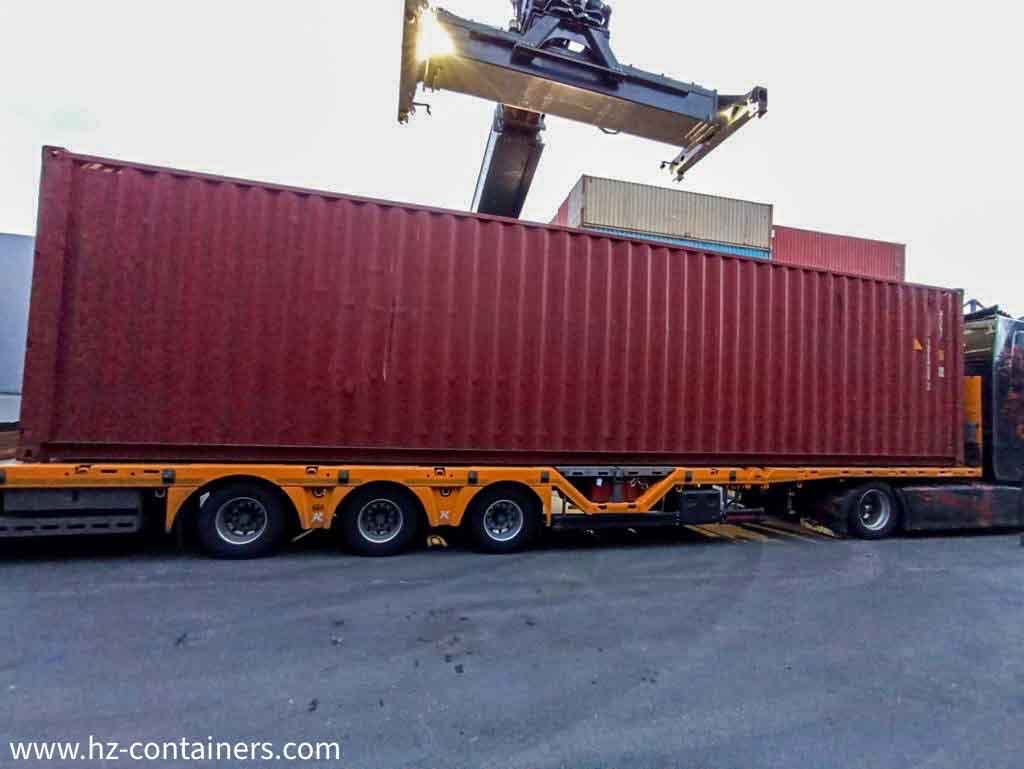
1. Shipping Containers
- Definition: Large, durable metal boxes designed for transporting goods via various modes of transport, including maritime, road, and rail transport.
- Types:
- Standard containers: Most commonly used are 20-foot and 40-foot containers.
- High Cube containers: Taller versions that offer greater storage height.
- Specialized containers: These include refrigerated containers (reefers), open-top containers, and flat rack containers.
- Specifications:
- A typical 20-foot container weighs approximately 2.2 tons when empty and can hold up to 28 tons of cargo.
- Pocket openings are located at the base of the container, allowing safe lifting using forklift tines.
- Structural elements:
- Made from corrosion-resistant steel with reinforced corners for stacking.
- Pocket openings are standardized for use with industrial tines.
2. Forklifts for Container Handling
- Definition: Vehicles equipped with tines for lifting and transporting heavy loads.
- Specialized forklifts:
- Forklifts with high load capacity (typically 15,000 pounds or more) are essential for container handling.
- Forklifts with extended tines (6–8 feet and longer) provide better stability when handling large loads.
- Rough terrain forklifts:
- Designed for use on uneven or unpaved surfaces, providing better mobility in challenging conditions.
- Load stability tools:
- Load backrests, container securing accessories, and extended tines ensure safe lifting and transport.
Advantages of Using Forklifts for Container Handling
Advantages
- Cost-effectiveness: Forklifts are cheaper to purchase or rent compared to cranes or container chassis.
- Versatility: In addition to container handling, forklifts are used for transporting pallets, loading trucks, and stacking materials.
- Ease of use: Forklifts are easier to operate and maneuver in tight spaces than cranes, making them ideal for small yards or warehouses.
Limitations
- Limited load capacity: Forklifts have a limited maximum weight capacity, making them unsuitable for fully loaded containers.
- Terrain limitations: Standard forklifts cannot work effectively on uneven terrain, requiring specialized models.
- Limited reach: Forklifts are better suited for short-distance transport within a single location.
Step by Step: How to Lift a Shipping Container with a Forklift
Step 1: Preparation
- Site inspection: Ensure the terrain is level, stable, and free of obstacles.
- Container inspection:
- Verify that the container’s weight does not exceed the forklift’s load capacity.
- Check the pocket openings and structural integrity.
- Selecting the right forklift:
- Use a forklift with appropriate load capacity and tine length.
Step 2: Aligning the Forklift
- Position the forklift parallel to the container.
- Adjust the tines to match the width of the pocket openings.
- Carefully insert the tines fully into the openings.
Step 3: Safe Lifting
- Gradually lift the container, ensuring it remains balanced.
- Verify load stability before moving.
Step 4: Transport or Stacking
- Move carefully to the new location, avoiding sudden movements.
- When stacking, align the container precisely before lowering it onto the surface or another container.
Step 5: Final Inspection
- Verify the container’s placement and stability.
- Check the forklift for signs of wear or damage.
Safety Guidelines
Weight Limits
- Always comply with the forklift’s load capacity specifications.
- Distribute weight evenly inside the container to maintain stability.
Operator Training
- Operators must have valid certification and be trained in handling high-capacity forklifts.
- Regular training increases safety awareness.
PPE (Personal Protective Equipment)
- Operators and personnel in the vicinity should wear hard hats, gloves, and steel-toed shoes.
Maintenance
- Inspect forklifts daily for mechanical issues.
- Ensure that the container’s pocket openings are clean and undamaged.
Alternative Equipment for Moving Containers
- Cranes: Ideal for lifting heavy or modified containers in larger operations.
- Container lifting jacks: Portable and affordable for temporary container lifting.
- Straddle carriers: Fast and efficient machines for moving multiple containers, requiring paved surfaces.
Frequently Asked Questions
Can all forklifts lift shipping containers?
No, only high-capacity forklifts are capable of safely lifting shipping containers.
What are pocket openings?
Pocket openings are openings located at the base of a shipping container that allow forklift tines to be inserted for safe transport and lifting.
Is special training required for operators?
Yes, forklift operators must be certified and trained in handling large and heavy loads, such as shipping containers.
Lifting a shipping container with a forklift is an efficient and cost-effective solution for short-distance moves and projects involving individual containers. By selecting the right equipment, following structured procedures, and adhering to safety standards, companies can optimize their operations and ensure worker safety when handling containers. For heavier or more complex tasks, alternative equipment such as cranes or straddle carriers may be more suitable.

 Czech Republic
  WITHOUT SHIPPING

