
Insulation foil for shipping container 20′


 Czech Republic
  WITHOUT SHIPPING
 What is shipping container insulation film?
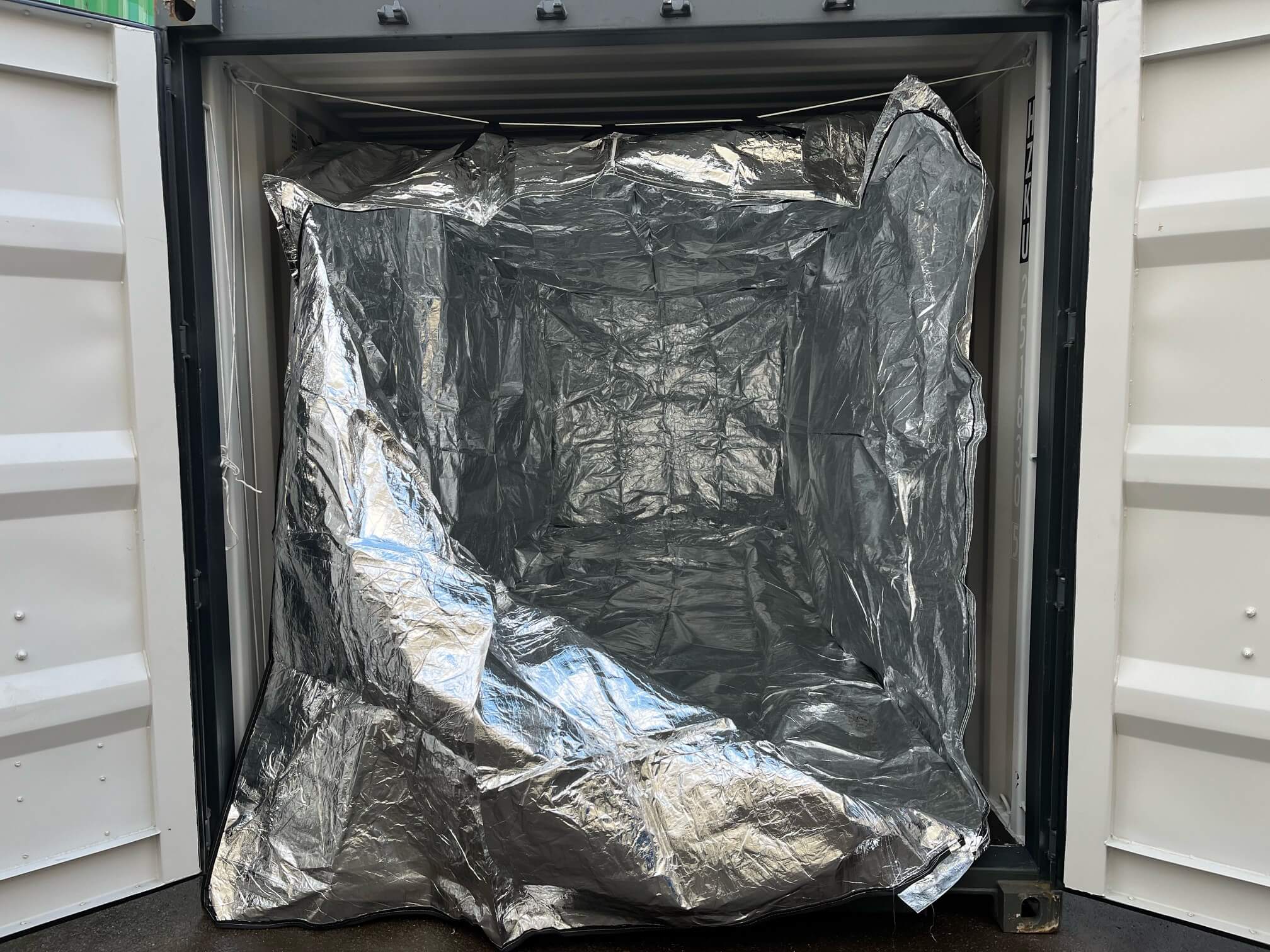
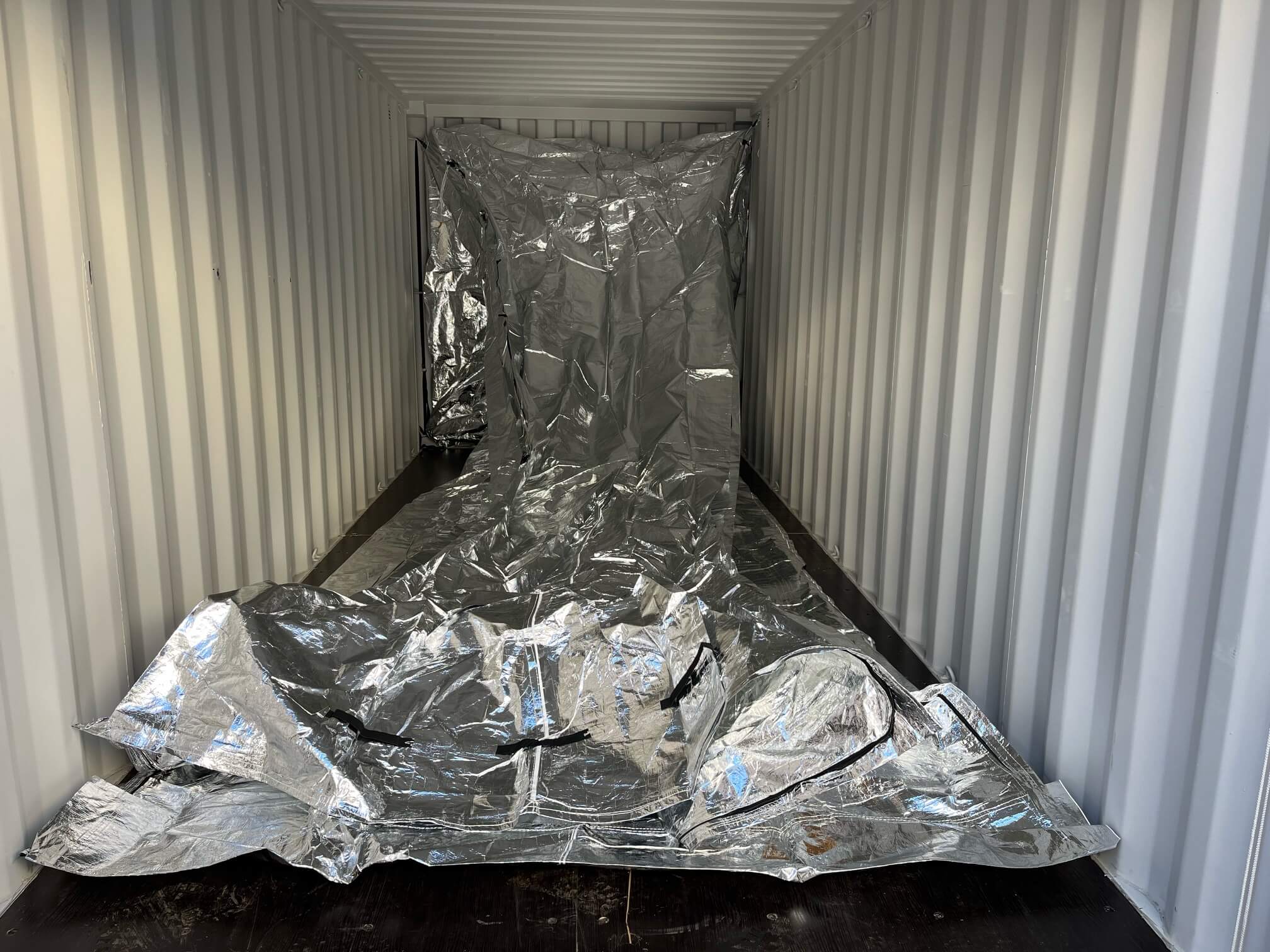
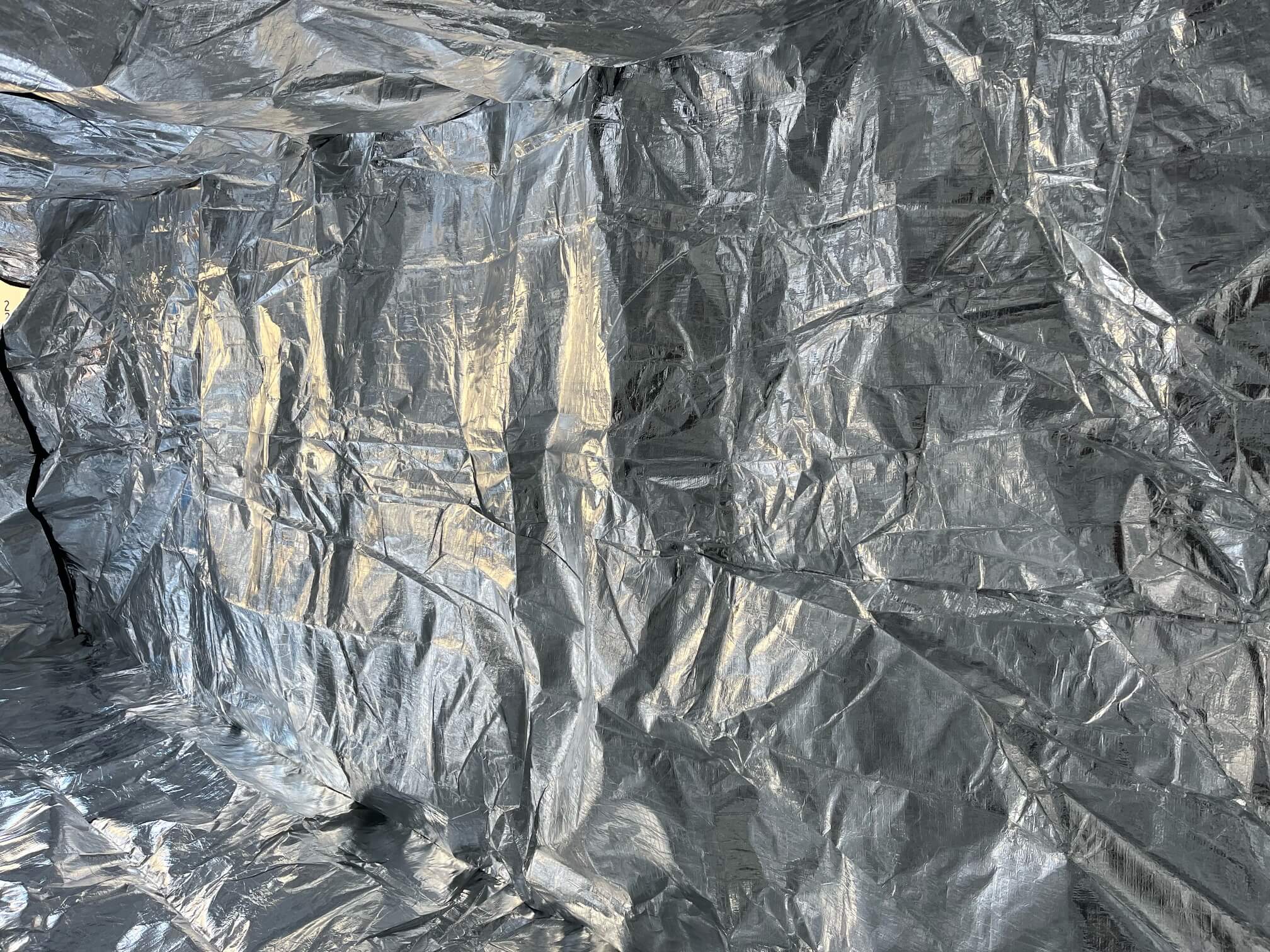
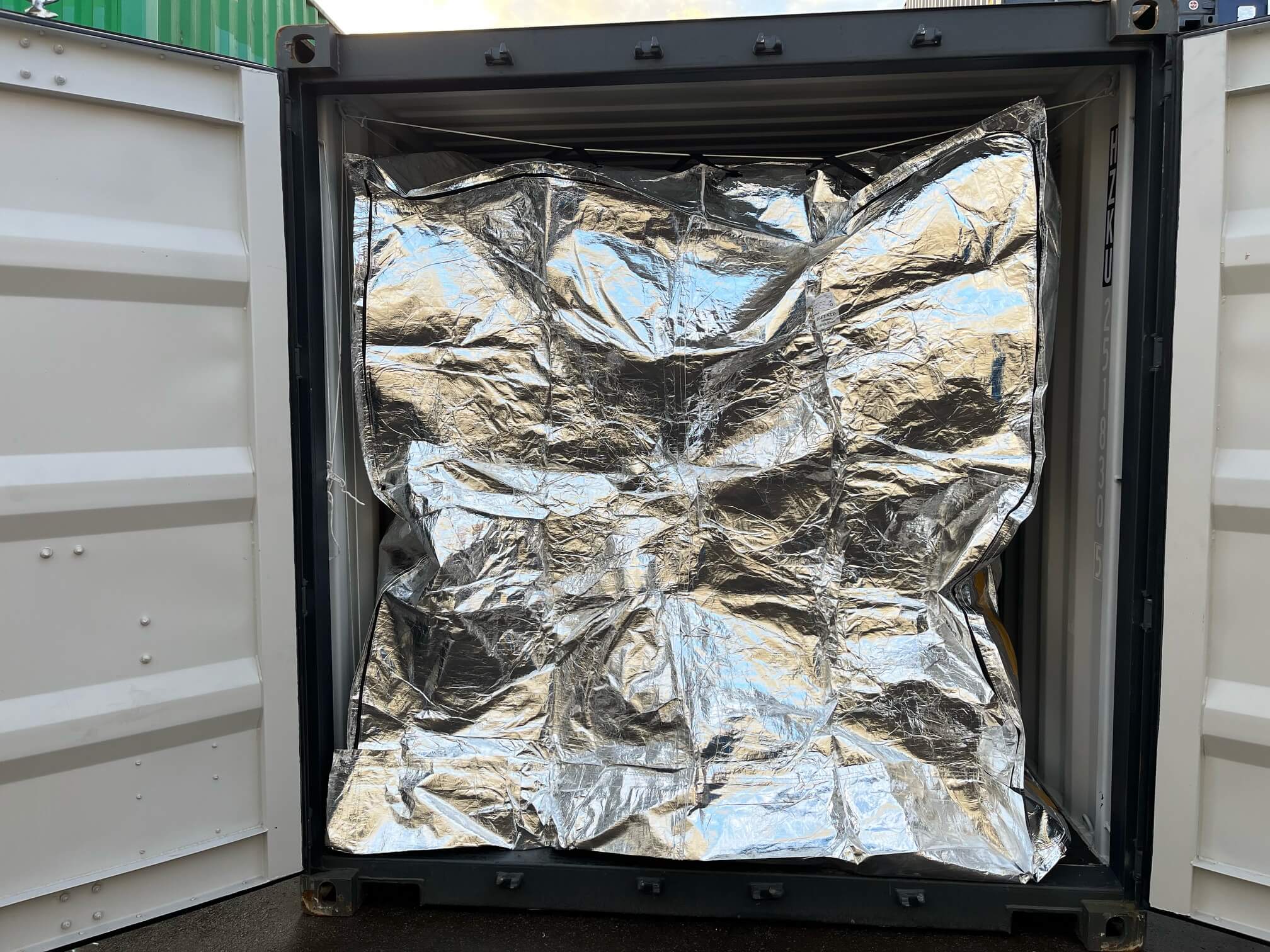
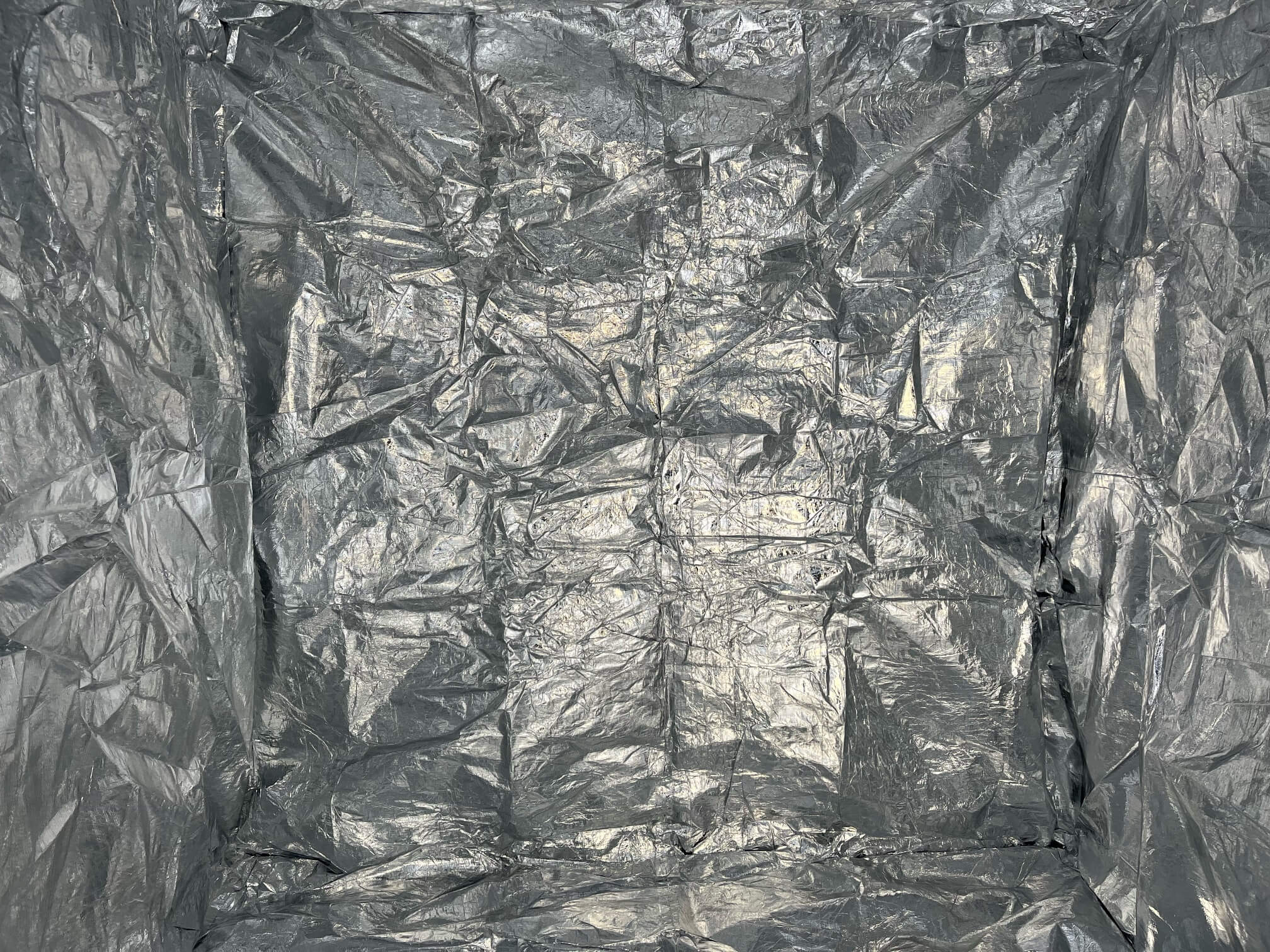
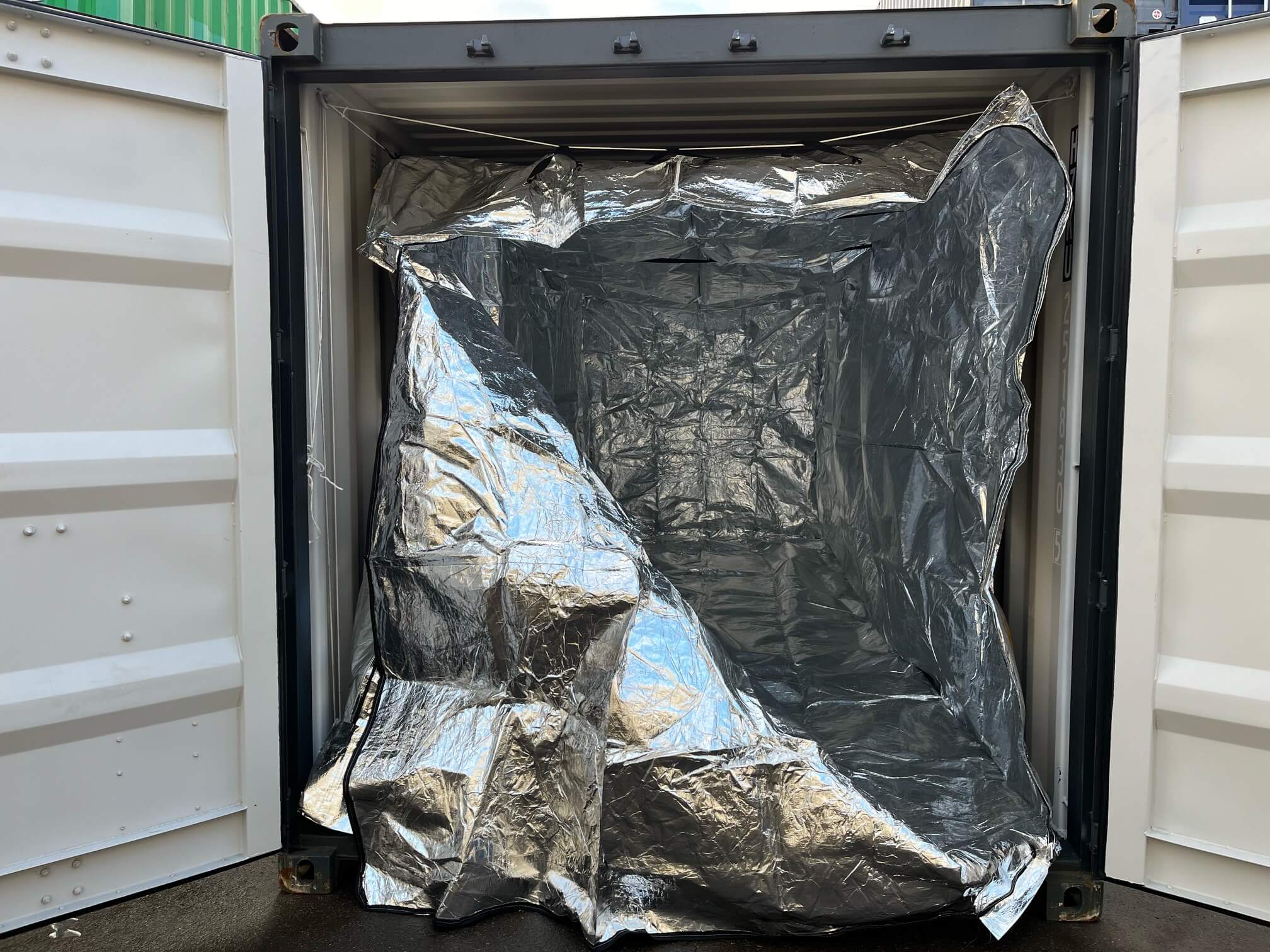
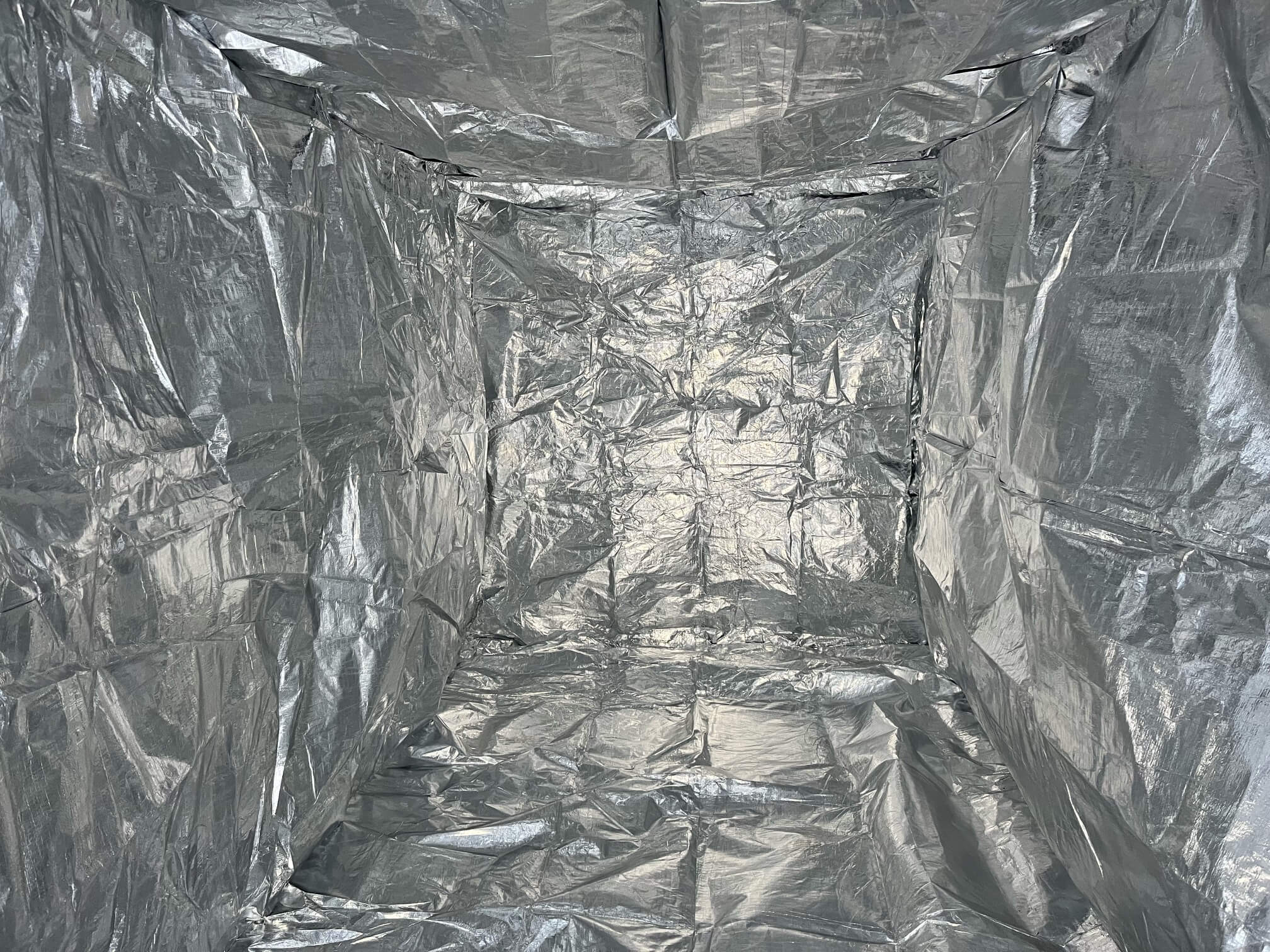
Shipping container insulation film is a specialised thermal insulation material designed to regulate and maintain temperatures inside a shipping container. This film is made primarily of reflective silver aluminium thermofoil, making it a versatile solution that improves thermal efficiency, prevents heat loss and stabilises climatic conditions. Its efficiency makes it an indispensable choice for both transport and stationary use of shipping containers.
Shipping containers, due to their steel construction, are very susceptible to temperature fluctuations. Without insulation, they can overheat under direct sunlight or become extremely cold in winter conditions. Insulation film acts as a thermal barrier to mitigate these extremes and provide an optimal indoor environment for the goods or activities inside.
Main features and benefits of container insulation film
Insulating film offers a wide range of benefits that make it a popular choice for insulating shipping containers:
Thermal efficiency
- Reflective silver aluminium foil minimises heat transfer and reflects sunlight to maintain a stable internal temperature – preventing overheating in summer and reducing heat loss in winter.
- It protects temperature-sensitive goods such as pharmaceuticals or foodstuffs, while ensuring comfort in living spaces.
A cost-effective solution
Insulating foil is an affordable alternative to other insulating materials such as spray foam or rigid panels. Although inexpensive, it provides high-performance thermal insulation, making it a great investment.
Easy to install
Due to its light weight and flexibility, the insulation film can be installed without much technical knowledge. It can be attached using adhesives, double-sided tape or mounting clips, making it an ideal solution for DIYers.
Space saving
Unlike bulkier insulation materials, the film adds only minimal thickness to the container walls, maximising usable interior space for storage or occupancy.
Portability and reusability
Foldable and easily portable, the film is ideal for temporary installations or portable container modifications. It can also be removed and reused for future projects, increasing its practicality.
Durable and long-lasting
Aluminum foil resists moisture, corrosion and weathering, ensuring long-lasting performance even in harsh conditions.
Use of insulation film in shipping containers
The versatility of the insulation film makes it ideal for a wide range of applications in shipping containers:
Temperature-controlled transport
When transporting temperature-sensitive goods such as fresh fruit, pharmaceuticals or perishables, insulating film ensures consistent internal temperatures and maintains the integrity of the cold chain.
Conversions to living and working spaces
Containers converted into homes, offices or workshops benefit from the thermal efficiency of the film, which reduces energy consumption, increases comfort and prevents condensation.
Industrial and agricultural use
Insulating film is suitable for containers used to store machinery, livestock or agricultural products, protecting them from extreme temperatures and promoting energy efficiency.
General storage
Containers used for storing electronics, equipment or materials sensitive to temperature fluctuations are protected thanks to the insulating film, which ensures a stable environment.
How to install the insulating film
Proper installation is the key to optimizing the performance of the insulation film. Follow these steps:
- Prepare: Clean and dry all interior surfaces to be free of rust and dirt, maximizing adhesion and thermal efficiency.
- Measure and cut.
- Attachment: Attach the film to walls, ceilings and floors using adhesives, double-sided tape or mounting clips. Make sure there are no gaps or loose parts.
- Seal: Seal all edges and seams with heat resistant tape to prevent air leakage and maintain insulation integrity.
- Optional layering: combine the insulation film with materials such as mineral wool, spray foam or rigid panels to improve thermal performance.
Comparison with other insulation materials
Understanding the advantages and disadvantages of different insulation materials can help in selecting the best solution for your specific needs:
| Material | Advantages | Disadvantages |
| Insulating foil | Lightweight, affordable, easy to install, space saving, reflective properties | May require combination with other materials in extreme climatic conditions |
| Spray foam | High R-value, seals gaps, resists moisture | Expensive, requires professional installation, permanent |
| Mineral wool | Fire resistant, good sound insulation, high thermal efficiency | Requires framing, heavier than other options |
| Styrofoam panels | Affordable, easy to install, suitable for basic storage | Lower R-value, less durable, may degrade over time |
| Panels with aluminum surface | Excellent heat and moisture resistance, durable | More expensive, more complex to install |
Environmental impact
Insulating foil is an environmentally friendly choice compared to other insulation materials such as spray foam. Its light weight, reusability and often recyclability contribute to sustainable practices. Many manufacturers now offer options made from recycled aluminium, further reducing the environmental impact.
Frequently asked questions
Can insulating film be used for reefer containers?
Yes, insulating film complements existing refrigeration systems by improving temperature stability and reducing energy consumption. However, it cannot fully replace them.
Is insulating film sufficient for living spaces?
While effective, it is recommended to combine insulation foil with other materials, such as mineral wool or spray foam, for optimum comfort and energy efficiency in residential applications.
How long does the insulation foil last?
High-quality insulation foil can last for decades with proper installation and maintenance.
Can insulation film be installed on the outside of a container?
Although primarily designed for interior use, it can be installed on the exterior if combined with a protective lining for added durability.
Shipping container insulation film is a practical and affordable insulation solution. Whether it’s for transporting sensitive goods, converting containers into housing or offices, or general storage, insulating film offers excellent thermal performance with minimal effort. By understanding its properties, applications and installation techniques, users can make the most of this innovative material and effectively create climate controlled spaces.
Shipping container insulation film is one option for shipping container insulation. The shell is made of thermally insulating silver aluminium foil, which ensures optimal temperature maintenance inside the container.
The thermally insulating silver foil increases the thermal efficiency of the container insulation and minimizes heat loss. It also contributes to maintaining a stable temperature inside the container.
Insulating foil for shipping container
This film is designed to reflect solar radiation and infrared heat that can contribute to heating the container. It can also limit the penetration of external heat into the container in hot climates. The silver colour of the foil is chosen for its better heat reflection.
Send inquiry
Shipping container colors
RAL 1001 RAL 1003 RAL 1014 RAL 1015 RAL 1018 RAL 1023 RAL 2001 RAL 2008 RAL 2011 RAL 3000 RAL 3001 RAL 3002 RAL 3009 RAL 3013 RAL 3020 RAL 4008 RAL 5003 RAL 5005 RAL 5010 RAL 5011 RAL 5013 RAL 5017 RAL 6005 RAL 6007 RAL 6018 RAL 6029 RAL 6031 RAL 6038 RAL 7000 RAL 7004 RAL 7005 RAL 7012 RAL 7015 RAL 7016 RAL 7021 RAL 7024 RAL 7031 RAL 7032 RAL 7035 RAL 7036 RAL 7037 RAL 7038 RAL 7040 RAL 7042 RAL 8004 RAL 8008 RAL 9003 RAL 9004 RAL 9005 RAL 9010 RAL 9016 CAMOUFLAGEQUESTIONS & ANSWERS TO THE MOST FREQUENTLY ASKED QUESTIONS:
We always guarantee the size, quality, and specific type of container including the pickup location of your choice.
Why is it not possible to access the depot to inspect the container? And for what reason is it not possible to take photos of the container from the depot?
How does the self-pickup of a container from the depot work?
What if the container we came to pick up at the depot does not match the condition and quality we ordered?
Afraid of being scammed and not receiving the container? Many questions are answered in our article container purchase scams.
You can find out how to arrange for the unloading of a shipping container here.
The photos are for illustrative purposes only. Detailed information about the properties of shipping containers can be found here: shipping container quality

 Czech Republic, Třebíč

