
The Role of Blockchain in Maritime Transport
Blockchain technology has become a transformative force across various industries, bringing benefits such as greater transparency, efficiency, and security. In maritime transport, where global supply chains intersect, blockchain has the potential to solve long-standing problems, which is particularly significant. This glossary provides a detailed overview of the role of blockchain in maritime transport, focusing on its definitions, applications, and benefits in addressing key issues in this industry.
What is Blockchain?
Blockchain is a decentralized distributed ledger technology that records transactions through multiple nodes (computers) in a network. Each transaction is stored in a “block” and these blocks are cryptographically linked, forming a “chain”. This structure makes blockchain naturally secure, resistant to manipulation, and transparent.
In maritime transport, blockchain is used to digitize processes, track shipments, and improve collaboration between involved parties, such as shipping companies, customs authorities, and port operators.
Blockchain technology enables endless tracking and tracing of transactions, making it suitable for any business operation. The ability to reduce documentation, processing costs, delays, data manipulation, fraud, and human error through uncompromising “smart contracts” makes this technology particularly advantageous for the transport industry. For example, a well-known implementation of the blockchain principle is Bitcoin, which has remained uncompromised since its inception in 2009.
Key Concepts of Blockchain in Maritime Transport
1. Distributed Ledger Technology (DLT):
- Definition: A decentralized database where all participants share the same version of the ledger updated in real time.
- Importance: Ensures transparency and eliminates the risk of data manipulation or discrepancies in transport documentation.
2. Smart Contracts:
- Definition: Self-executing contracts whose conditions are directly encoded in computer code.
- Role in Transport: Automate operations, such as payments, cargo release, and compliance verification. For example, when a shipment arrives at its destination, a smart contract can automatically trigger payment to the carrier.
- Benefits: Reduces delays, minimizes human error, and eliminates the need for intermediaries.
3. Immutable Records:
- Definition: Records on the blockchain cannot be retroactively modified, ensuring data integrity.
- Use Case in Transport: Prevents documentation fraud, such as waybills, by securely storing them on the blockchain.
4. Decentralization:
- Definition: Blockchain operates without a central authority and distributes control among all network participants.
- Impact on Maritime Trade: Promotes trust between involved parties, as no single entity has control over the system.
Applications of Blockchain in Maritime Transport

1. Real-Time Cargo Tracking
- Blockchain enables real-time visibility of shipment location and status.
- Example: Sensors and IoT devices can record updates directly to the blockchain, enabling tracking of cargo conditions (e.g., temperature or humidity for perishable goods).
- Benefits: Reduces delays, prevents theft, and increases accountability.
2. Documentation Digitization
- Traditional transport relies heavily on paperwork, such as waybills, which often causes delays and errors.
- Blockchain enables the creation of smart waybills, which are digital, immutable, and accessible in real time by authorized parties.
- Benefits: Shortens processing time, reduces fraud, and simplifies customs procedures.
3. Facilitating Trade Through Smart Contracts
- Smart contracts automate agreements between carriers, transporters, and buyers.
- Example: Upon confirmation of delivery, payment is automatically released, reducing disputes and delays.
4. Enhanced Maritime Insurance
- Blockchain simplifies the insurance process by providing a transparent record of the shipment’s lifecycle.
- Use Case: Insurance companies can verify claims using immutable data stored on the blockchain, such as route deviations or cargo damage.
- Benefits: Reduces fraud and accelerates claims processing.
5. Port Operations and Customs Clearance
- Blockchain facilitates seamless communication between port authorities, customs authorities, and shipping lines.
- Example: The Port of Rotterdam uses blockchain to digitize processes, increasing efficiency and reducing bottlenecks.
6. Combating Counterfeit Goods
- Each product is assigned a unique digital identity on the blockchain, which tracks its path from origin to destination.
- Impact: Ensures authenticity and prevents counterfeit goods from entering the supply chain.
Benefits of Blockchain in the Maritime Industry
- Transparency and Trust
- Blockchain creates a single source of truth accessible to all involved parties, promoting trust and collaboration.
- Improved Operational Efficiency
- Automation of processes, such as documentation and payments, reduces administrative burden and accelerates operations.
- Fraud Prevention
- Blockchain’s immutability ensures that data cannot be altered, reducing the risk of fraud in transport documents and transactions.
- Cost Savings
- Elimination of intermediaries and reduction of paperwork lowers operating costs.
- Enhanced Security
- Blockchain protects sensitive transport data using cryptographic algorithms, minimizing the risk of cyberattacks or data breaches.
- Regulatory Compliance
- Blockchain provides a clear audit trail, making it easier to comply with international trade and environmental regulations.
Challenges in Implementing Blockchain in Transport
Although blockchain has significant potential, its adoption in maritime transport is not without challenges:
- Scalability Issues
- Public blockchain networks may struggle to handle the large volume of transactions in global transport.
- Interoperability
- Existing systems used by shipping companies, customs authorities, and port operators must be seamlessly integrated with blockchain platforms.
- High Initial Costs
- Implementing blockchain requires significant investment in technology and training, which can be a barrier for smaller shipping companies.
- Regulatory Barriers
- Blockchain solutions must comply with various legal frameworks in different countries.
- Data Protection Concerns
- Balancing transparency with the need to protect sensitive information remains a key challenge.
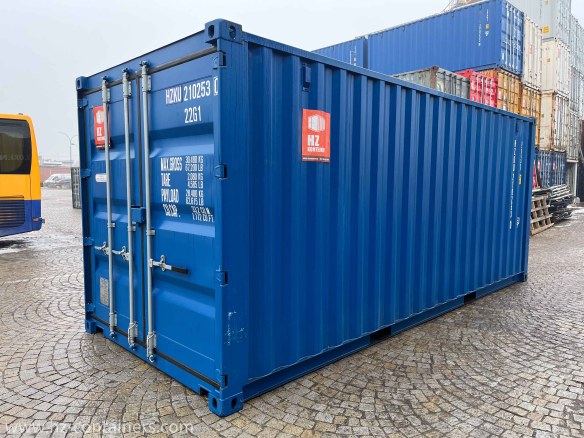
 Czech Republic, Vimperk
  FREE SHIPPING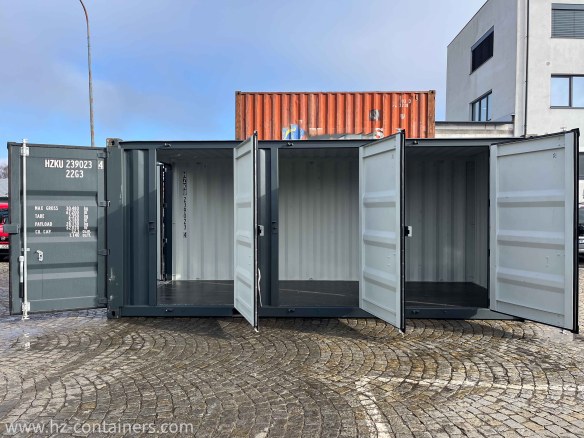
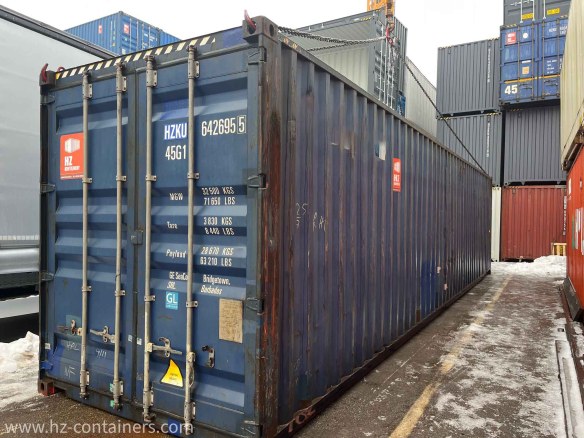

Other container news...
40 Foot High Cube container cost
A 40 foot high cube container — often abbreviated as 40ft HC, 40′ HC, or 40-foot high cube — is one of the most common shipping container sizes sold on the secondary market. But if you are researching what a 40 foot high cube container costs, you have almost certainly noticed that prices are all over the map. One seller quotes $1,500. Another quotes $7,000. Both could be legitimate.
20 Foot container cost
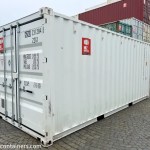
If you have ever searched for a shipping container, you have almost certainly asked one question first: how much does a 20 foot container cost? The answer is not a single number. It is a range that spans from under $1,000 for a weathered, as-is unit to over $5,000 for a pristine, one-trip container — and that is before delivery, site preparation, or modifications enter the picture.
Buy shipping containers
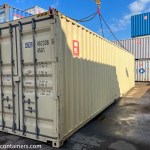
Buying a shipping container means purchasing a standardized steel intermodal box — typically 10, 20, or 40 feet long — for use as ground-level storage, job site equipment housing, cargo transport, or architectural conversion. The right container can last decades. The wrong one can leak, rust through, or fail inspection the day it arrives. This guide covers every step of the process, from understanding what you’re actually buying to inspecting it in person and preparing your site for delivery.

20 Foot shipping container cost
If you are researching the cost of a 20 foot shipping container, you have likely already encountered wildly different prices — from $999 listings online to quotes exceeding $5,500. That range is not a sign of inconsistency. It reflects real differences in container condition, location, delivery logistics, and the seller you are dealing with.