
The Future of Ports: How Smart Infrastructure Is Transforming Maritime Logistics
1. Digital Revolution in Ports: A New Era of Maritime Transport Management
In recent days, fundamental changes are taking place in the field of maritime logistics and port infrastructure, shaping the direction of future global trade development. Smart infrastructure and digitalization are penetrating ports around the world, bringing higher efficiency, cost savings, and greater security. Investments in modern technologies — such as automated traffic management systems, digital twin port models, and advanced cargo flow tracking systems — are fundamentally changing the way ports operate. The goal is to increase transparency and operational fluidity while reducing the environmental burden. The current situation on global markets, including geopolitical tensions, is increasing pressure to streamline and innovate all processes, which smart infrastructure makes possible.
2. Automated Cranes: The Key to Efficient Container Handling
One of the most recent examples of smart infrastructure implementation is the order for 12 automated stacking cranes for the ECT terminal in Rotterdam. These advanced cranes will enable fully automated container handling and temporary storage processes. They are designed for reliable 24/7 continuous operation, and their precise positioning systems, combined with robust construction and optimized rope drives, ensure high efficiency and safety. The integration of these cranes into the terminal operating system will enable fully automated, uninterrupted operation — meaning not only higher capacity and faster cargo clearance, but also better utilization of human resources. The cranes are manufactured using European plants, including a Czech branch, which also brings logistical and environmental benefits.
3. Environmental Measures and Sustainable Port Development
The introduction of smart infrastructure in ports goes hand in hand with environmental measures. The largest European ports continue to implement technologies that minimize negative environmental impacts. These include the use of renewable energy sources, electrification of handling equipment, AI-assisted optimization of cargo flows, and the deployment of zero-emission vehicles for moving containers within ports. Investments from European funds and environmental grants are enabling faster deployment of these innovations in practice. Ports are thus not only increasing their competitiveness but also contributing to reducing the carbon footprint of global trade.
4. Digitalization of Cargo Flow: Transparency and Security
Modern ports today use digital platforms for managing and tracking cargo flows. This digitalization means greater transparency, elimination of redundant administrative tasks, and faster clearance of ships and containers. The systems allow real-time monitoring of shipment locations, warehouse status, and prediction of potential delays. The interconnection of data platforms across different links in the logistics chain ensures that information is available to all involved parties — from carriers through port authorities to end customers. This significantly increases the security of transported commodities and reduces the risk of errors or losses.
5. Cooperation Between Rail and Maritime Transport in Smart Infrastructure
Another key pillar of smart infrastructure is the close integration of maritime and rail transport. Ports are investing in the modernization of railway sidings and introducing digital rail traffic management directly within port premises. Cooperation between rail carriers enables more efficient transfer of containers from ships to trains and vice versa, shortening clearance times and reducing transport costs. In practice, this means greater flexibility, the ability to quickly redirect cargo flows in the event of capacity constraints, and a reduced environmental burden thanks to faster clearance and a smaller share of road transport. Such integration accelerates the entire logistics process and enables rapid response to current changes in global demand.
6. Challenges and Risks: Cybersecurity and Workforce Adaptation
While smart infrastructure brings many benefits, it also introduces new challenges. One of them is ensuring cybersecurity — digitalization and automation mean a higher risk of cyberattacks and the need for robust security measures. Ports are therefore investing in state-of-the-art security systems, regular audits, and employee training. Another challenge is the adaptation of the workforce to new technologies. Automation reduces the need for some routine tasks, but at the same time creates demand for highly qualified IT specialists, automated systems operators, and data analytics experts. Ports are therefore working closely with technical schools and universities to prepare the next generation of workers.
7. Future Trends: Artificial Intelligence and Predictive Logistics
The latest trend in smart port infrastructure is the integration of artificial intelligence and predictive analytics into all levels of logistics management. AI enables accurate forecasting of cargo flows, optimization of ship and machinery routes, and early warnings about potential problems such as delays or collisions. Predictive models allow ports to plan capacities, better manage inventory, and minimize downtime. The result is higher efficiency and the ability to quickly respond to global changes in demand and unexpected events such as geopolitical crises or supply chain disruptions. Ports that implement these technologies are becoming leaders in modern logistics and gaining a competitive advantage on the global market.

 Bruntál, Czech Republic
  FREE SHIPPING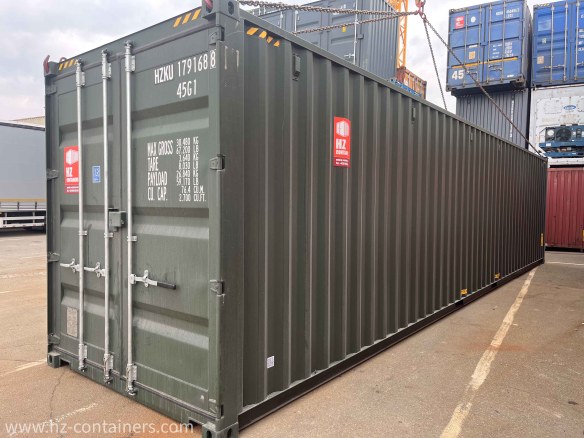
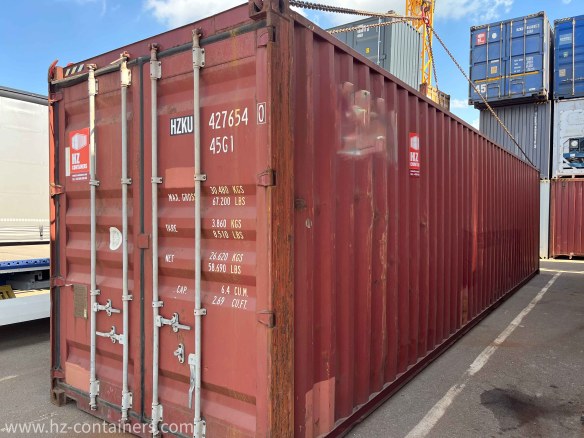
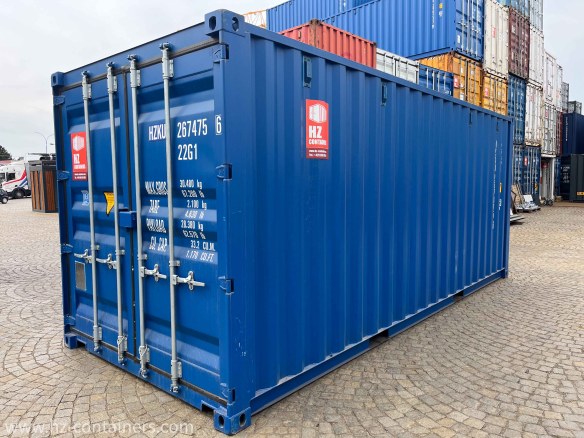
Other container news...
Buy shipping containers
Buying a shipping container means purchasing a standardized steel intermodal box — typically 10, 20, or 40 feet long — for use as ground-level storage, job site equipment housing, cargo transport, or architectural conversion. The right container can last decades. The wrong one can leak, rust through, or fail inspection the day it arrives. This guide covers every step of the process, from understanding what you’re actually buying to inspecting it in person and preparing your site for delivery.

20 Foot shipping container cost
If you are researching the cost of a 20 foot shipping container, you have likely already encountered wildly different prices — from $999 listings online to quotes exceeding $5,500. That range is not a sign of inconsistency. It reflects real differences in container condition, location, delivery logistics, and the seller you are dealing with.
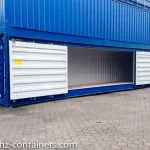
Side Opening container
A side opening container is an ISO-compliant intermodal shipping container engineered with full-length bi-fold doors along one of its long side walls, in addition to the standard cargo doors at one end. Unlike conventional containers that restrict access to a single set of rear doors, a side opening container — also widely called an open side container, open-sided shipping container, or side door container — provides unobstructed lateral access across the entire 20-foot or 40-foot length of the unit. This design transforms the container from a narrow tunnel into a wide-open space that forklifts can enter from the side, multiple workers can load simultaneously, and oversized cargo that would never fit through standard end doors can be placed without struggle.
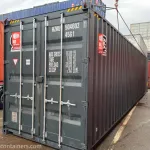
Can You Modify a 40ft High Cube Container?
The short answer is yes — you absolutely can modify a 40ft high cube container, and it is one of the most popular container types for modification projects worldwide. But the real question is not whether you can modify one; it is how to do it correctly, safely, legally, and within budget. This guide answers every dimension of that question, drawing on engineering principles, real-world pricing data, and the collective experience of thousands of modified container projects.
Key Takeaway: A 40ft high cube container offers 320 square feet of floor space with an extra foot of ceiling height compared to a standard container — making it the ideal canvas for offices, workshops, homes, retail spaces, and industrial applications. The extra height is particularly valuable when you add insulation and still want comfortable headroom.