
The Difference Between Demurrage and Detention: An In-Depth Analysis
Introduction to Demurrage and Detention
In the complex world of logistics and global shipping, the terms demurrage and detention play a crucial role. These terms refer to specific charges that may arise as a result of prolonged use of containers or failure to meet established time frames. Although often mentioned together, they have different applications and consequences in the shipping process. A clear understanding of these terms is key to minimizing costs and ensuring efficiency in supply chain operations.
This glossary provides a detailed breakdown of demurrage and detention, their definitions, differences, practical applications, and strategies for reducing costs, while emphasizing their importance in the field of global trade.
What is Demurrage?
Demurrage refers to charges that are assessed if a container remains at a port or terminal longer than the established free time. This free time is provided to allow recipients to have sufficient time for customs clearance and pickup of their goods after unloading.
Key Characteristics of Demurrage
- Location: Demurrage charges apply to containers that remain within port or terminal premises.
- Purpose: These charges are designed to discourage the use of terminal facilities as storage space and thereby promote operational efficiency and prevent congestion.
- Triggering Event: Demurrage is charged if containers are not picked up within the specified free time.
- Example Situation: Suppose a container is unloaded at the port on the 1st of the month and free time runs until the 5th. If the recipient picks up the container on the 10th, they will be charged demurrage fees for five additional days.
- Cost Dynamics: Demurrage rates often increase over time. For example, the first three days may cost $75 per day, while subsequent days may cost $150 per day.
Purpose of Demurrage
- Operational Efficiency: Through demurrage charges, ports promote the rapid movement of goods and reduce potential operational disruptions.
- Port Cost Management: Prolonged storage of containers can lead to increased port operating costs, which are partially offset by these charges.
What is Detention?
Detention charges are applied when a container is removed from the terminal but is not returned to the designated depot or shipping company facility within the established free time. Essentially, these are costs associated with keeping and using a container outside port premises.
Key Characteristics of Detention
- Location: Detention charges apply to containers that are outside terminal or port premises.
- Purpose: These charges motivate the timely return of containers so that shipping companies have sufficient equipment for subsequent shipments.
- Triggering Event: Detention is charged if the recipient or exporter keeps the container (full or empty) longer than the permitted free time for unloading or reloading.
- Example Situation: Suppose a container is picked up from the port on the 1st, unloaded, and returned on the 12th, but the allowed time without detention charges expired on the 10th. In this case, detention charges will be assessed for two additional days.
- Cost Dynamics: Detention rates range between $50 and $100 per day depending on the shipping company and region.
Purpose of Detention
- Equipment Availability: Shipping companies rely on the timely return of containers to maintain their supply chain and meet demand.
- Operational Efficiency: Delayed container returns can disrupt logistics plans, lead to inefficiencies, and increase costs.
What is Free Time?
Free time refers to the period during which no charges for demurrage or detention are assessed. Shipping companies provide this time to allow recipients and exporters to handle their cargo without additional financial burden.
Types of Free Time
- Demurrage Free Time: The period during which containers may remain at a port or terminal without charges being assessed.
- Detention Free Time: The period during which containers may be used outside the terminal before being returned.
Factors Affecting Free Time
- Regulations and policies specific to the port
- Shipping company conditions
- Contractual agreements between parties
- Container type and size (for example, refrigerated containers often have shorter free time)
The Difference Between Demurrage and Detention
Summary of differences:
| Aspect | Demurrage | Detention |
|---|---|---|
| Location | Within port/terminal | Outside port/terminal |
| What it Covers | Storage of full containers | Use of containers (full or empty) |
| Purpose | Prevent congestion | Ensure timely return of containers |
| When it Occurs | After unloading, within terminal | After removal, outside terminal |
Strategies for Minimizing Demurrage and Detention Costs
- Understanding the Rules: Familiarize yourself with the free time rules and fee structure of your chosen shipping company.
- Advance Customs Clearance: Expedite the customs process to avoid delays.
- Logistics Coordination: Ensure alignment of transportation and container availability.
- Technology Utilization: Use tools such as real-time tracking systems to monitor container status.
- Negotiating Terms: For large shipment volumes, negotiate extensions of free time when concluding contracts.
 Czech Republic, Prague
  FREE SHIPPING
Other container news...

Corner casting steel vs aluminum
Every shipping container in the world — all 40 million of them — rests on eight critical components. Corner castings are the load-bearing blocks at each corner of an ISO shipping container, and they are the universal interface between the container and every crane, twistlock, spreader, and chassis on the planet. When you lift a container, stack it nine high on a ship, or lock it to a truck trailer, every ton of force flows through these fittings.

Construction cabin – selection, tips, dimensions and prices
Every construction project – whether a family house, a development project or a reconstruction – starts with the infrastructure. No construction manager, craftsman or investor who needs an on-site office, a changing room for workers or a safe storage for tools can do without a quality construction cell. But navigating the offer is not easy: residential containers, sanitary cells, storage modules, rental, purchase, refurbished pieces… This guide will give you answers to all the essential questions in one place.
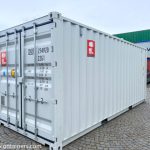
Storage container
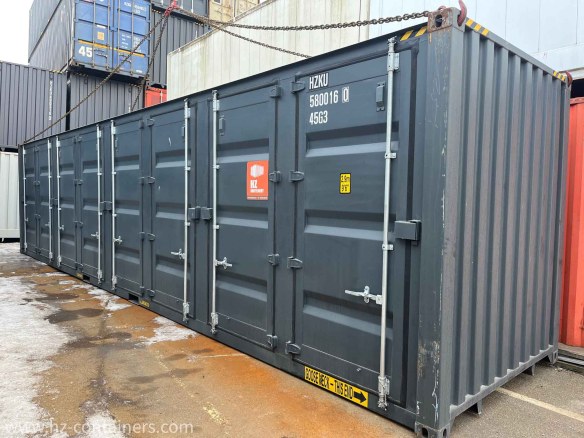
A storage container is a lockable steel box designed for the safe and dry storage of materials, tools, goods or equipment. Originally created as a shipping container for maritime transport, its durability and versatility have found their way onto construction sites, corporate premises and private land.
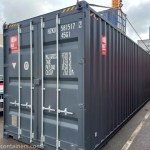
Shipping container 12m (40 ft)
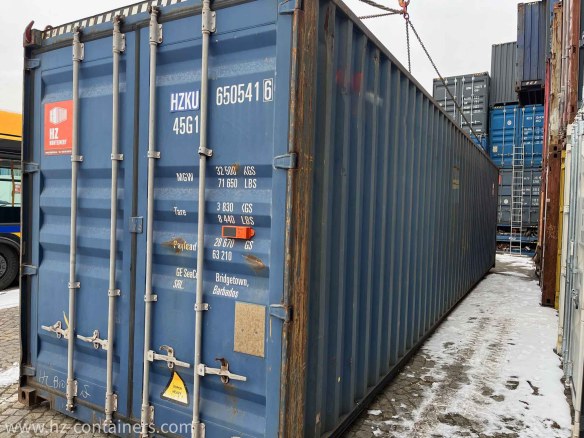
A 12m shipping container is an investment that, if properly selected and cared for, will pay off in decades of trouble-free use. Whether you plan to use it as a warehouse, workshop, garage or the basis for a residential module — the key is careful selection of the condition, a thorough inspection before purchase and high-quality preparation of the base for placement. Take the time to compare offers, check the seller’s references and do not hesitate to personally inspect the container before buying. A properly selected 40-foot container will serve you reliably for many years.