
Sinking of the SS El Faro
The SS El Faro, a combined roll-on/roll-off and lift-on/lift-off ship, was an American cargo ship that tragically sank on October 1, 2015 during Hurricane Joaquin. This disaster cost the lives of all 33 crew members on board and became the largest U.S. maritime tragedy in more than 30 years. Hurricane Joaquin will be remembered as one of the most devastating hurricanes of 2015. With its power and unpredictable behavior, it caused significant damage and loss of life. Its legacy is a reminder of the power of nature and the importance of preparedness and cooperation in dealing with such events.
History and background
SS El Faro was built in 1975 by Sun Shipbuilding & Drydock Co. in Pennsylvania. The ship was originally named Puerto Rico and was operated by the Navieras de Puerto Rico Steamship Company, which used her to transport cargo between the U.S. East Coast and Puerto Rico. In 1991, the ship was sold to Saltchuk Resources, the parent company of TOTE Maritime, and renamed Northern Lights. During the early 1990s, the ship was deployed in the Pacific and Alaska regions.
In 2006, after several technical modifications, the ship was renamed again, this time to El Faro, and returned to routes between the US and Puerto Rico. Prior to its fateful sailing, the ship underwent several modifications, including the addition of specialized cranes and other technical improvements.
Last cruise
On her last voyage, the SS El Faro sailed from Jacksonville, Florida, bound for San Juan, Puerto Rico. During the voyage, however, the ship was caught in the middle of Hurricane Joaquin, which caused serious technical problems and flooding of parts of the ship.
The crew faced several problems, including engine failure and loss of control of the vessel. Despite their best efforts, the crew was unable to save the ship or themselves. The sinking occurred near the Bahamas, where the ship sank to the seabed with the entire crew on board.
Investigations and security measures
The tragedy was followed by an extensive investigation by the National Transportation Safety Board (NTSB). The investigation revealed several key factors that contributed to the sinking of the ship. These factors included the ship’s outdated design, inadequate maintenance, and underestimating the strength of the hurricane.
The NTSB has issued a series of safety recommendations to prevent similar incidents from recurring in the future. These include improved weather monitoring, better communication between crew and management, and increased safety measures on board ships.
Heritage of El Faro
The sinking of the SS El Faro had a profound impact on the maritime industry and led to the introduction of stricter safety standards. The tragedy is a reminder of the importance of regular maintenance and upgrading of ships, as well as consistent monitoring and assessment of weather conditions.
The memory of the 33 crew members who lost their lives remains vivid in the minds of their families, friends and colleagues. The sinking of the El Faro is a sad reminder of how dangerous the sea can be and how important safety on board ships is.
Hurricane Joaquin
Hurricane Joaquin was one of the most significant tropical cyclones of the 2015 Atlantic hurricane season. This powerful hurricane hit the Bahamas in particular, but also affected weather in Cuba, Haiti, Bermuda and parts of the United States. In this article, we look at its origin, course, impacts and the aftermath it left behind.
Formation and development of a hurricane
Joaquin formed from a subtropical pressure low on September 28, 2015, southwest of Bermuda. It was initially affected by adverse wind conditions that limited its rapid development. Nevertheless, it transformed into a tropical storm on September 29 and began to gradually strengthen.
During the following days, Joaquin underwent rapid intensification. By 30 September it had already reached Category 1 hurricane strength and a day later became a major Category 4 hurricane on the Saffir-Simpson scale. This means that its maximum sustained winds were up to 250 km/h.
The desolation of the Bahamas
Hurricane Joaquin caused the most damage in the Bahamas, particularly in the southern islands such as Acklins, Crooked Island, Long Island, Rum Cay and San Salvador. Strong winds and storm surges caused widespread flooding, destruction of buildings and infrastructure. Many residents lost their homes and were forced to seek refuge in makeshift shelters.
The hurricane’s prolonged stay over the islands, lasting more than two days, made rescue operations very difficult. Communications were disrupted and some areas were completely cut off from the outside world.
Impacts on shipping
One of the most tragic events associated with Hurricane Joaquin was the disappearance of the cargo ship El Faro. This ship, with 33 crew members on board, was caught in the middle of the hurricane and lost all contact. Despite an extensive search, no survivors have been found. This tragedy highlighted the dangers of shipping in hurricane-affected areas.
Weather effects in other areas
While Joaquin did not directly touch the coast of the United States, it did affect weather on the East Coast, particularly in South Carolina. Heavy rains associated with other weather systems caused historic flooding that led to the evacuation of residents and significant property damage.
In Bermuda, the hurricane brought strong winds and rains that caused minor damage and power outages. Thanks to good preparedness and quality infrastructure, the impacts were less severe than in the Bahamas.
Hurricane Mitigation and Extinction
After leaving the Bahamas, the hurricane strengthened again, reaching maximum strength with winds of 250 km/h. It then began to move northeast into the open Atlantic. It gradually weakened and became an extratropical cyclone on 8 October. The remnants of the hurricane then affected the weather in Europe, particularly in the Azores and Iberian Peninsula.
Consequences and recovery work
Following the passage of the hurricane, extensive recovery work was initiated on the affected islands. International organisations and neighbouring countries have provided humanitarian aid in the form of food, water and building materials. Rebuilding infrastructure took months and, in some areas, years.
The total damage caused by Hurricane Joaquin was estimated at $200 million. In addition to material losses, the hurricane claimed 34 lives, including the crew of the doomed ship El Faro.
Lessons learned and preparedness for the future
Hurricane Joaquin highlighted the importance of early warning and preparedness for natural disasters. Weather services have improved their forecasting models and communication systems to minimise the risks associated with similar events in the future.
For residents of the affected areas, the experience has meant an increased emphasis on building more resilient buildings, creating evacuation plans and educating about safety measures during hurricanes.
Other container news...
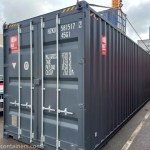
Shipping container 12m (40 ft)
A 12m shipping container is an investment that, if properly selected and cared for, will pay off in decades of trouble-free use. Whether you plan to use it as a warehouse, workshop, garage or the basis for a residential module — the key is careful selection of the condition, a thorough inspection before purchase and high-quality preparation of the base for placement. Take the time to compare offers, check the seller’s references and do not hesitate to personally inspect the container before buying. A properly selected 40-foot container will serve you reliably for many years.

Construction container
A construction container is an investment in safety, order and comfort — whether it is protecting tools from thieves or providing a dignified environment for workers. There are three key decisions: type (storage, residential, sanitary, rubble), form of acquisition (rent vs. purchase) and legislative provision (occupation, building code).

Construction cabin – selection, tips, dimensions and prices
Every construction project – whether a family house, a development project or a reconstruction – starts with the infrastructure. No construction manager, craftsman or investor who needs an on-site office, a changing room for workers or a safe storage for tools can do without a quality construction cell. But navigating the offer is not easy: residential containers, sanitary cells, storage modules, rental, purchase, refurbished pieces… This guide will give you answers to all the essential questions in one place.
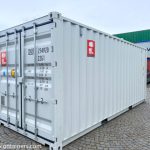
Storage container
A storage container is a lockable steel box designed for the safe and dry storage of materials, tools, goods or equipment. Originally created as a shipping container for maritime transport, its durability and versatility have found their way onto construction sites, corporate premises and private land.