
Short-Term Storage of Items in a Container During Home Renovation
When starting a home renovation, one of the greatest challenges that homeowners face is managing their property during construction work. Dust, dirt, and constant moving of furniture and personal items can cause chaos and increase the risk of damage to your belongings. For this reason, short-term storage of items in a container during home renovation has become a popular and effective solution. Below we look at everything you need to know about this storage method, including its purpose, benefits, types, and practical aspects.
What is Short-Term Storage of Items in a Container During Home Renovation?
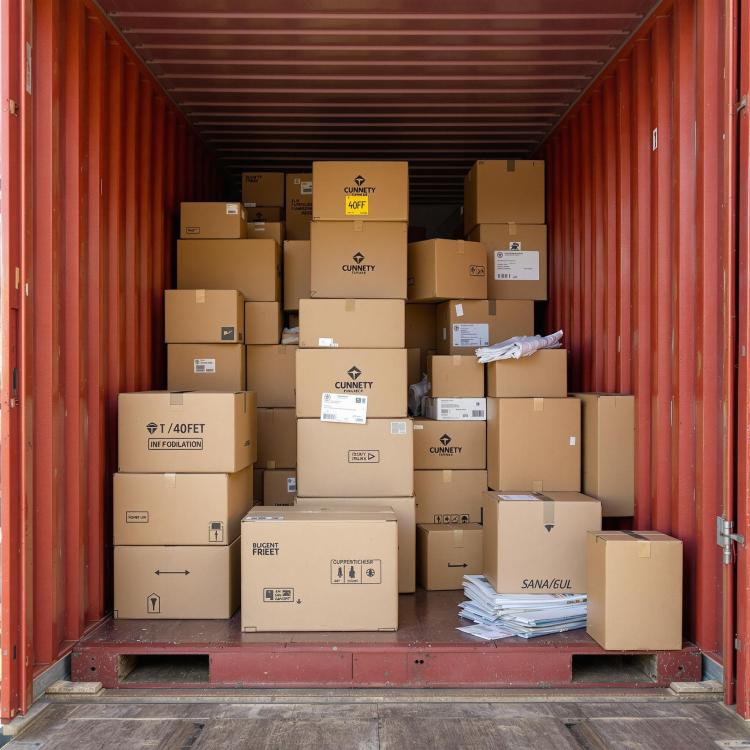
Short-term storage of items in a container during home renovation refers to the use of portable storage containers or mobile storage units for temporary storage of household property during the renovation process. These containers are designed to provide secure, convenient, and easily accessible storage solutions directly on your property or at an external location.
Portable storage containers, often referred to as “storage boxes” or “mobile storage units,” are robust, weather-resistant, and protect your belongings from dust, dirt, and possible damage caused by construction work. They are delivered directly to your home, where you can load them according to your needs, and they can remain on-site or be moved to a secure warehouse.
Main Benefits of Using Storage Containers During Home Renovation
1. Cost-Effective Solution
Portable storage containers represent an affordable alternative to traditional storage facilities or moving services. You pay only for the container size and rental period you need, avoiding additional fees such as property taxes or maintenance costs associated with traditional warehouses.
2. Protection from Dust, Dirt, and Damage
Home renovations are known for creating large amounts of dust and dirt that can damage delicate furniture, electronics, or artwork. Portable storage containers are weather-resistant and dust-proof, protecting your belongings from environmental hazards, construction accidents, and even extreme weather conditions.
3. Convenience and Accessibility
The presence of a storage container on-site means your belongings are within reach throughout the renovation. Unlike traditional storage units, portable containers allow you to access your items without the need for lengthy trips to external warehouses. This also gives you the flexibility to store or retrieve items as the renovation progresses.
4. Enhanced Security
Modern storage containers are equipped with advanced security features, including reinforced steel construction, durable locks, and weather-resistant materials. Some providers even offer add-ons such as electronic locks or monitoring systems to ensure your belongings are protected from theft or vandalism.
5. Flexibility
Portable storage containers are highly customizable to your renovation needs. You can rent them for short-term or long-term periods, depending on the scope of your project. Additionally, they can be moved around your property or transported to a secure warehouse as needed.
6. Space Optimization
By moving your belongings into a container, you free up valuable space in your home, allowing construction workers to work more efficiently without having to navigate around clutter. This can lead to faster project completion and reduced stress.
Types of Storage Containers for Home Renovations
1. Standard Portable Storage Containers
These are the most common type of storage units used during renovations. They are available in various sizes, such as:
- 10-foot containers: Ideal for small projects, such as renovating a single room.
- 20-foot containers: Suitable for medium-sized renovations, offering plenty of space for furniture, appliances, and boxes.
- 40-foot containers: Designed for large renovations, these containers can hold the contents of several rooms or even an entire house.
2. Climate-Controlled Containers
For items sensitive to temperature fluctuations or humidity, such as wooden furniture, electronics, or musical instruments, climate-controlled containers are an excellent choice. These units maintain a stable internal environment to keep your belongings in perfect condition.
3. Customized Containers
Some providers offer customizable storage solutions with features such as shelves, lighting, or padded interiors that meet specific storage needs. These containers are particularly useful for storing fragile or unusual items.
4. On-Site vs. Off-Site Storage
- On-site containers are placed directly on your property, providing immediate access to your belongings.
- Off-site storage involves transporting the container to a secure warehouse, freeing up space on your property.
Practical Aspects of Renting a Storage Container
1. Location and Permits
- Ensure there is sufficient space on your property to place the container.
- Check local regulations or homeowners association rules regarding restrictions on container placement.
2. Insurance
- Verify that the rental company provides insurance for the container and its contents.
- Alternatively, check whether your homeowners insurance covers temporary storage.
3. Transport Logistics and Pickup
- Coordinate with the rental company for timely delivery and pickup of the container to avoid delays in your renovation schedule.
4. Packing and Organization
- Use stackable boxes and shelves to maximize the vertical space of the container.
- Clearly label all boxes for easy retrieval.
- Wrap fragile items in bubble wrap or padding to prevent damage.
Comparison of Portable Storage with Traditional Storage Options
| Feature | Portable Storage Containers | Traditional Storage Facilities |
|---|---|---|
| Accessibility | On-site and easily accessible | Requires a trip to the warehouse |
| Flexibility | Can be moved as needed | Fixed location |
| Price | You pay only for usage | May include additional fees |
| Security | Durable and lockable | Varies depending on facility quality |
| Weather Protection | Fully weather-resistant | Depends on facility quality |

 Benátky nad Jizerou, Czech Republic
  FREE SHIPPING


Other container news...

Obligation to Check Tightness When Selling a Reefer Container
Who is responsible for the refrigerant leak check when selling a refrigerated container? Find out what obligations the seller has at the time of handover and why they must provide a PTI report along with the technical data plate. Learn which regulatory requirements and F-gas record-keeping duties become the sole responsibility of the new owner.

New shipping containers
If you are currently considering purchasing a new shipping container, you are not alone. While just twenty years ago containers were used almost exclusively for maritime transport, today they have found their way into construction, storage, business, and even housing. This growing popularity brings with it a host of questions: Which type should you choose? How much does it cost? How do you recognize quality? How can you avoid falling victim to scammers?
New sea shipping containers
If you are currently considering purchasing a new shipping container, you are not alone. While just twenty years ago containers were used almost exclusively for maritime transport, today they have found their way into construction, storage, business, and even housing. This growing popularity brings with it a host of questions: Which type should you choose? How much does it cost? How do you recognize quality? How can you avoid falling victim to scammers?

6m shipping container
Are you thinking about buying a 6-meter shipping container but aren’t sure what to look for? You are not alone—this 20-foot container is the best-selling size on the Czech market, and the differences between various types, conditions, and prices can be significant. In this guide, you will find everything you need to know: from exact dimensions and a comparison of categories (such as “one-way,” refurbished, and “Cargo Worthy”) to current prices and shipping advice.