
Shipping Containers for Cities
What are Shipping Containers for Cities?
Shipping containers for cities represent an innovative use of standard shipping containers to address various urban challenges. Originally designed for transporting goods by sea, rail, and road, these containers have evolved into universal building blocks for sustainable urban development. Thanks to their robust construction, modularity, and ecological potential, they are ideal for creating housing, commercial spaces, recreational zones, and public facilities. They offer cost-effective and durable solutions for various urban needs.
Shipping containers are increasingly recognized for their role in sustainable urban planning, particularly in addressing housing shortages, creating temporary spaces, and supporting ecological initiatives. Their potential extends beyond mere transportation and is becoming the foundation of innovative urban development projects.
Key Features of Shipping Containers
1. Durability and Strength
Shipping containers are made from CORTEN steel, a material known for its resistant properties against adverse weather and corrosion. CORTEN steel is a trademark popularized by U.S. Steel Corporation and is specially designed for long lifespan and strength even in demanding conditions. Thanks to its ability to withstand heavy loads, strong winds, and adverse weather, containers are a durable choice for urban environments where wear and tear is common. These containers also comply with the International Convention for Safe Containers (CSC) standards, ensuring their structural integrity.
2. Portability
Shipping containers are naturally portable, making them ideal for temporary or relocatable urban applications, such as pop-up shops, disaster relief shelters, or seasonal markets. Their standardization and compatibility with global transportation systems, including ships, trucks, and trains, enable easy relocation. Additionally, their modular design allows for easy stacking and alignment, supporting temporary or dynamic urban needs.
3. Standardized Dimensions
Shipping containers have standardized sizes, such as lengths of 20 feet and 40 feet, widths of 8 feet, and heights of 8.5 to 9.5 feet. These unified dimensions enable easy stacking, alignment, and creation of larger modular structures. Standardization also facilitates compatibility with global transportation and handling equipment, ensuring a simple deployment and construction process.
4. Eco-Friendliness
Reusing used shipping containers reduces waste and limits the demand for new building materials. Containers can be integrated with ecological elements, such as solar panels, rainwater harvesting systems, and green roofs. Their reuse aligns with circular economy principles and supports sustainable urban development.
Uses of Shipping Containers in Urban Environments
1. Affordable Housing
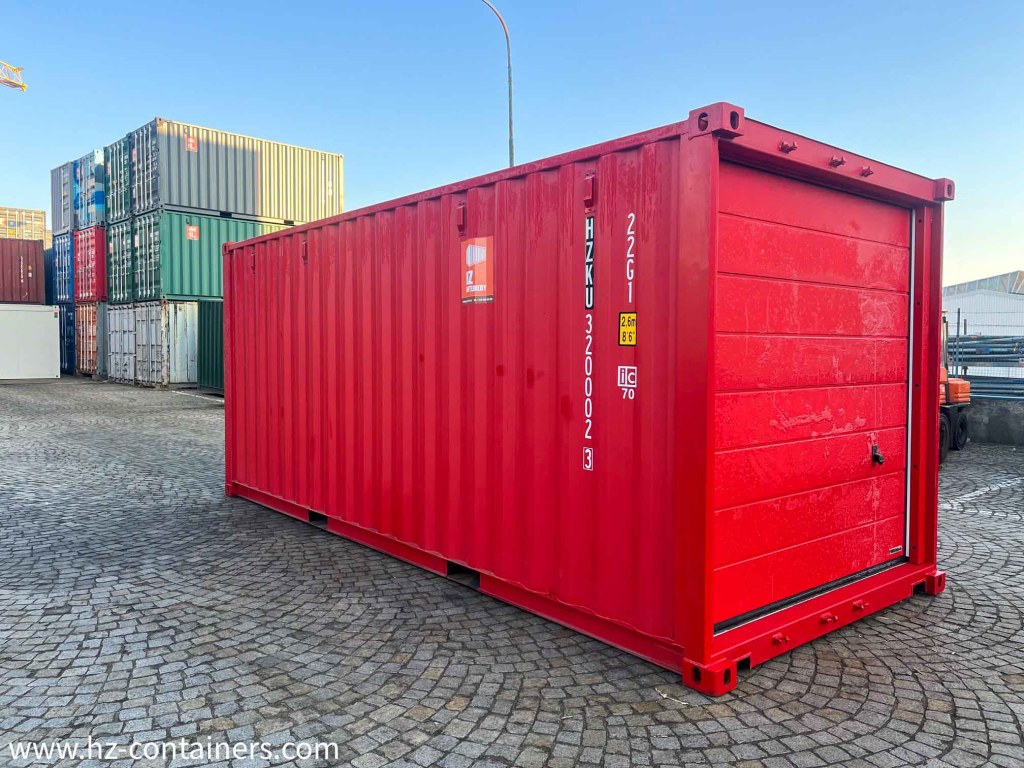
Shipping containers offer a cost-effective solution to housing shortages in cities. Their modular design allows for quick assembly and can be customized with insulation, installations, and electrical systems to provide comfortable living spaces. Notable examples include Urban Rigger in Copenhagen, providing floating student housing, and Container City in San Andrés Cholula, Mexico, a mixed housing and commercial project.
2. Pop-up Shops and Markets
Containers are widely used for temporary or mobile retail spaces, food stalls, and pop-up markets. Due to their portability and cost-effectiveness, they are ideal for small businesses or seasonal events. London’s Boxpark, a pop-up shopping center built entirely from containers, demonstrates their commercial potential.
3. Community and Public Spaces
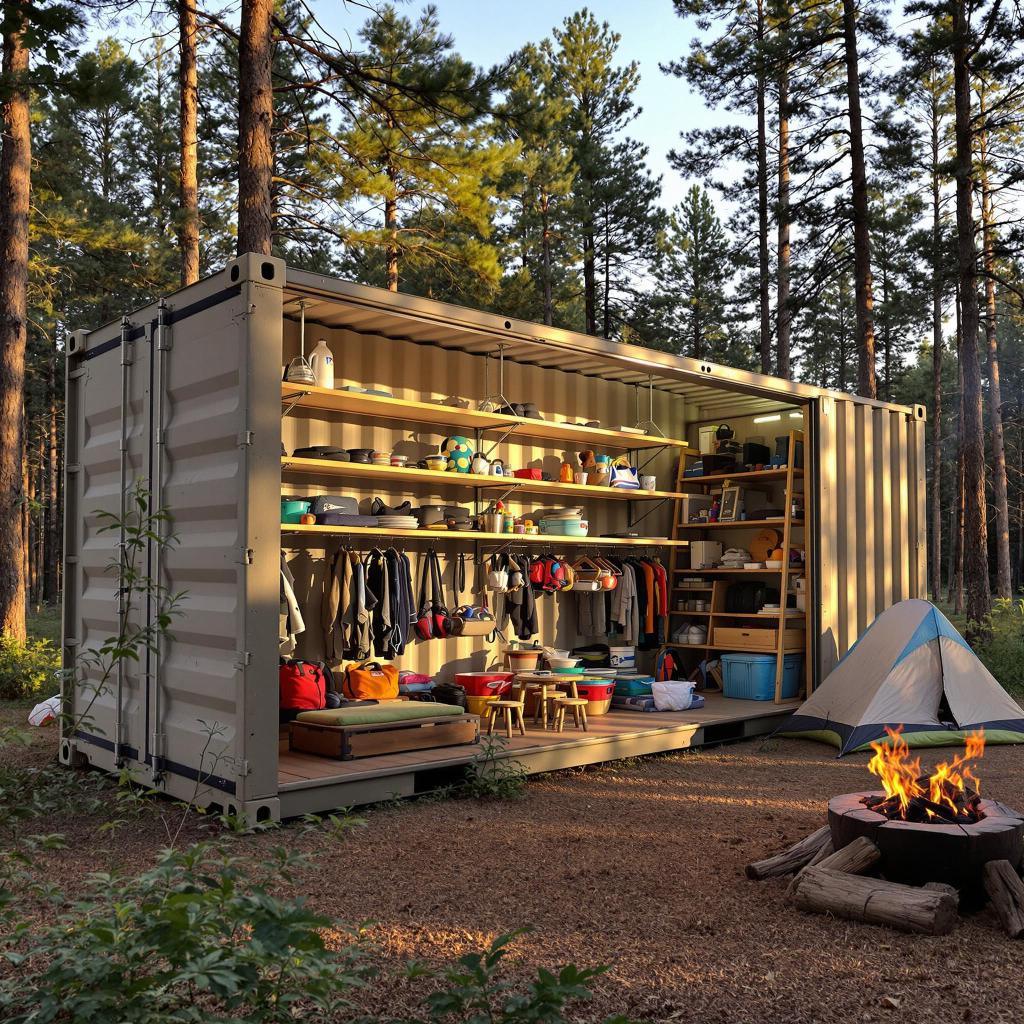
Communities use shipping containers to create public facilities, such as libraries, community centers, and recreational facilities. For example, the Fringe World Festival in Perth uses containers as performance spaces, while the Youth Inc. youth center in Adelaide uses green technologies for sustainable education.
4. Urban Gardens and Green Spaces
Shipping containers can be transformed into vertical farms, greenhouses, or urban gardens that support urban agriculture and increase green coverage. These initiatives combat urban heat, improve air quality, and support local food production.
5. Emergency and Temporary Structures
In disaster-affected areas, shipping containers can be quickly converted into emergency shelters, medical clinics, or temporary classrooms. Christchurch, New Zealand, famously used containers to rebuild its city center after an earthquake, including the Re:START Mall shopping center.
Benefits of Shipping Containers for Cities
- Sustainability:
- Reusing containers minimizes waste and reduces the need for new materials.
- Ecological features, such as solar panels and green roofs, increase their sustainability.
- Cost-Effectiveness:
- Containers are cheaper than traditional building materials.
- Their durability reduces long-term maintenance costs.
- Flexibility and Adaptability:
- Containers can be modified by adding doors, windows, insulation, and other elements.
- Modular design allows for creative and scalable configurations.
- Fast Construction:
- Projects using containers can be completed quickly, which is ideal for urgent needs.
- Versatility:
- Containers address various urban challenges, from housing shortages to lack of public facilities.
Challenges Associated with Using Shipping Containers in Cities
- Insulation and Climate Control:
- Steel containers require proper insulation to regulate temperature and ensure comfort.
- Building Codes and Regulations:
- Converting containers into residential spaces requires compliance with local building codes, which can be costly.
- Space Limitations:
- The narrow dimensions of containers can be limiting, requiring creative interior design.
- Aesthetic Concerns:
- Containers may not blend well with traditional architecture, requiring thoughtful design to improve their visual appearance.
Examples of Successful Container Projects Worldwide
- Container City, London:
- A mixed project combining residential and commercial spaces.
- Boxpark, London:
- A pop-up shopping center that demonstrates the commercial viability of container-based design.
- Urban Rigger, Copenhagen:
- Floating student housing that combines sustainability with innovative urban planning.
- Container City, San Andrés Cholula, Mexico:
- A vibrant mixed-use project addressing housing and commercial needs.
Why are Shipping Containers Ideal for Sustainable Urban Planning?
Shipping containers are the foundation of sustainable urban planning due to their efficiency, minimal environmental impact, and adaptability. They align with circular economy principles and offer innovative solutions to urban challenges.

 Czech Republic, Třebíč
  FREE SHIPPING
Other container news...
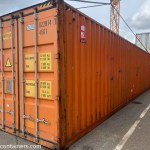
40 Foot High Cube container cost
A 40 foot high cube container — often abbreviated as 40ft HC, 40′ HC, or 40-foot high cube — is one of the most common shipping container sizes sold on the secondary market. But if you are researching what a 40 foot high cube container costs, you have almost certainly noticed that prices are all over the map. One seller quotes $1,500. Another quotes $7,000. Both could be legitimate.
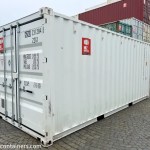
20 Foot container cost
If you have ever searched for a shipping container, you have almost certainly asked one question first: how much does a 20 foot container cost? The answer is not a single number. It is a range that spans from under $1,000 for a weathered, as-is unit to over $5,000 for a pristine, one-trip container — and that is before delivery, site preparation, or modifications enter the picture.
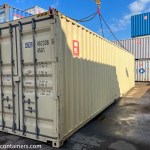
Buy shipping containers
Buying a shipping container means purchasing a standardized steel intermodal box — typically 10, 20, or 40 feet long — for use as ground-level storage, job site equipment housing, cargo transport, or architectural conversion. The right container can last decades. The wrong one can leak, rust through, or fail inspection the day it arrives. This guide covers every step of the process, from understanding what you’re actually buying to inspecting it in person and preparing your site for delivery.

20 Foot shipping container cost
If you are researching the cost of a 20 foot shipping container, you have likely already encountered wildly different prices — from $999 listings online to quotes exceeding $5,500. That range is not a sign of inconsistency. It reflects real differences in container condition, location, delivery logistics, and the seller you are dealing with.