
Electrical Safety Standards for Modular Buildings
With the growing popularity of modular construction worldwide, ensuring comprehensive electrical safety in modular buildings is becoming key. Modular buildings – whether serving residential, commercial, or industrial purposes – must meet strict electrical safety standards to ensure occupant safety, equipment reliability, and compliance with regulatory frameworks. This glossary examines the fundamental elements of electrical safety standards for modular buildings and answers the question:
What exactly is it?
What are modular buildings?
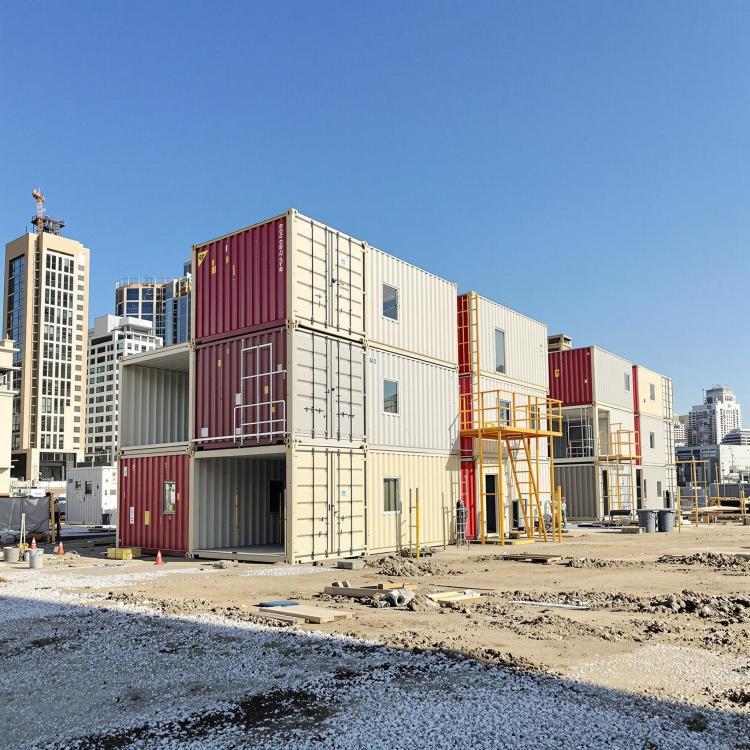
Definition: Modular buildings are prefabricated structures that are designed and manufactured in a manufacturing environment and then transported to the destination as modules or sections, where they are assembled into their final form.
Unlike traditional buildings built on-site, modular buildings are created under controlled conditions, which allows for faster completion, higher quality, and reduced environmental impact. These structures must meet the same building codes and standards as buildings built on-site.
Key characteristics:
- Closed construction: Components are pre-assembled, meaning that hidden parts cannot be inspected without disassembly.
- Versatility: Modular buildings include a wide range of uses, including family homes, commercial offices, schools, healthcare facilities, and temporary solutions such as shelters for disaster victims.
- Compliance requirements: Modular buildings must comply with local, state, and federal building codes, including electrical safety standards.
What are electrical safety standards?
Definition: Electrical safety standards are a set of regulations, guidelines, and best practices designed to minimize risks such as electrical shocks, fires, and equipment failures in buildings. These standards ensure that all electrical systems – from wiring and grounding to equipment installation – are safe, reliable, and compliant with regulations.
Key regulatory bodies:
- National Electrical Code (NEC): The primary regulation for electrical installations in the United States, updated every three years to reflect new technologies and safety measures.
- International Code Council (ICC): Oversees building codes, including regulations for modular construction, through standards such as the IBC (International Building Code).
- Occupational Safety and Health Administration (OSHA): Focuses on workplace safety, including electrical systems, and establishes protocols to protect workers.
- IEEE (Institute of Electrical and Electronics Engineers): Establishes standards for mitigating electrical risks, such as arc flash analysis and grounding systems.
- CSA A277 (Canadian Standards Association): Certifies prefabricated modules in Canada and ensures their compliance with safety regulations, including electrical ones.
Electrical safety standards for modular buildings
1. Wiring and circuit protection
Modular buildings must follow specific guidelines for materials, methods, and circuit protection to prevent electrical hazards.
- Approved wiring materials: It is mandatory to use insulated copper or aluminum conductors suitable for the building’s environment. The use of poor quality or non-compliant conductors can lead to overheating and fires.
- Overload protection: Circuit breakers and fuses play a key role in preventing overheating and short circuits, which are common causes of electrical fires.
- Specific challenges for modules: Electrical connections between factory-built modules and systems installed on-site must be flawless to prevent weak points that could lead to arc flash or system failures.
2. Grounding and bonding
Proper grounding protects against electrical shocks and system failures.
- Grounding conductors: NEC and IEC guidelines require the use of grounding rods or plates, especially in modular buildings, to reduce electrical surges.
- Bonding requirements: All metal components, such as steel frames and piping, must be bonded to ensure a continuous path to ground, thereby preventing electrical surges and shocks.
3. Standards for electrical equipment
Every light fixture, outlet, and switch in modular buildings must comply with safety regulations.
- Equipment installed in manufacturing: Module manufacturers often pre-install lighting, outlets, and HVAC systems. These components must meet safety standards such as NFPA (National Fire Protection Association) and UL (Underwriters Laboratories).
- On-site connections: Local contractors integrate pre-installed systems with local utilities and ensure their compliance with specific state regulations.
Inspection and compliance processes
Inspection processes for modular buildings are rigorous and take place in multiple phases to ensure compliance with electrical safety standards.
1. Factory inspection
- Third-party audits: Independent inspectors verify module designs and assembly in the factory according to IBC and NEC standards.
- Quality control: Manufacturers implement strict inspection protocols to identify and correct non-compliant issues during the manufacturing phase.
2. On-site inspection
After modules are assembled on-site, inspections focus on:
- Module connections: Electrical systems connecting individual modules are checked for continuity and compliance.
- Utility connections: Connections to local electrical grids are verified for safety and compatibility.
- Final safety checks: Verification that grounding, bonding, and circuit protection meet NEC standards and local regulations.
3. Permits and certification
- Utility permits: Allow the installation and activation of electrical systems.
- Occupancy permit: Issued after final inspections that confirm compliance with all building and safety codes.
International standards and regulations
1. International Building Code (IBC)
The IBC ensures that modular buildings meet global safety standards. Although it does not specifically mention “modular construction,” its requirements apply universally to all types of construction.
2. CSA A277 (Canada)
This Canadian standard certifies prefabricated modules and ensures that they comply with safety regulations, including electrical systems, during the manufacturing process.
3. UL-2600
An emerging standard focused on temporary modular construction that ensures compliance with safety and resilience requirements.
Common electrical safety challenges
- Regional differences in regulations: Electrical codes vary between states, provinces, and countries, complicating compliance for modular projects intended for different locations.
- Connections between modules: Poorly executed electrical connections between modules can lead to system failures.
- Inspection availability: Closed construction makes it difficult to inspect hidden electrical components without disassembly.
 Česká Lípa, Czech Republic
  FREE SHIPPING
Other container news...
Shipping container 12m (40 ft)
A 12m shipping container is an investment that, if properly selected and cared for, will pay off in decades of trouble-free use. Whether you plan to use it as a warehouse, workshop, garage or the basis for a residential module — the key is careful selection of the condition, a thorough inspection before purchase and high-quality preparation of the base for placement. Take the time to compare offers, check the seller’s references and do not hesitate to personally inspect the container before buying. A properly selected 40-foot container will serve you reliably for many years.

Construction container
A construction container is an investment in safety, order and comfort — whether it is protecting tools from thieves or providing a dignified environment for workers. There are three key decisions: type (storage, residential, sanitary, rubble), form of acquisition (rent vs. purchase) and legislative provision (occupation, building code).

Construction cabin – selection, tips, dimensions and prices
Every construction project – whether a family house, a development project or a reconstruction – starts with the infrastructure. No construction manager, craftsman or investor who needs an on-site office, a changing room for workers or a safe storage for tools can do without a quality construction cell. But navigating the offer is not easy: residential containers, sanitary cells, storage modules, rental, purchase, refurbished pieces… This guide will give you answers to all the essential questions in one place.
Storage container
A storage container is a lockable steel box designed for the safe and dry storage of materials, tools, goods or equipment. Originally created as a shipping container for maritime transport, its durability and versatility have found their way onto construction sites, corporate premises and private land.