Volatility and Shipping Containers
Shipping containers and volatility in their markets are key to understanding the dynamics of global trade. Shipping containers revolutionized cargo transportation through the standardization of packaging and shipping methods. However, the container shipping industry is often unpredictable due to unstable market conditions, such as fluctuating freight rates, supply and demand imbalances, and geopolitical challenges. This glossary aims to provide a comprehensive explanation of the concepts, factors, and strategies needed to understand and manage volatility in the container shipping industry.
What is Volatility in Shipping?
Volatility in shipping refers to unpredictable and rapid changes in freight rates, container availability, and market conditions. This instability affects not only carriers and freight forwarders, but also global supply chains and end consumers. Volatility in the shipping market is influenced by several key factors, such as supply and demand imbalances, economic shocks, geopolitical events, and changing regulatory standards.
Key Characteristics of Volatility:
- Fluctuation in freight rates: Freight rates can rise or fall sharply due to supply and demand imbalances and operational challenges.
- Market cyclicality: Shipping markets are cyclical, with periods of high demand and profitability, followed by downturns.
- Uncertainty: Regular unpredictability of prices, container availability, and route disruptions create challenges in planning and execution.
What are Shipping Containers?
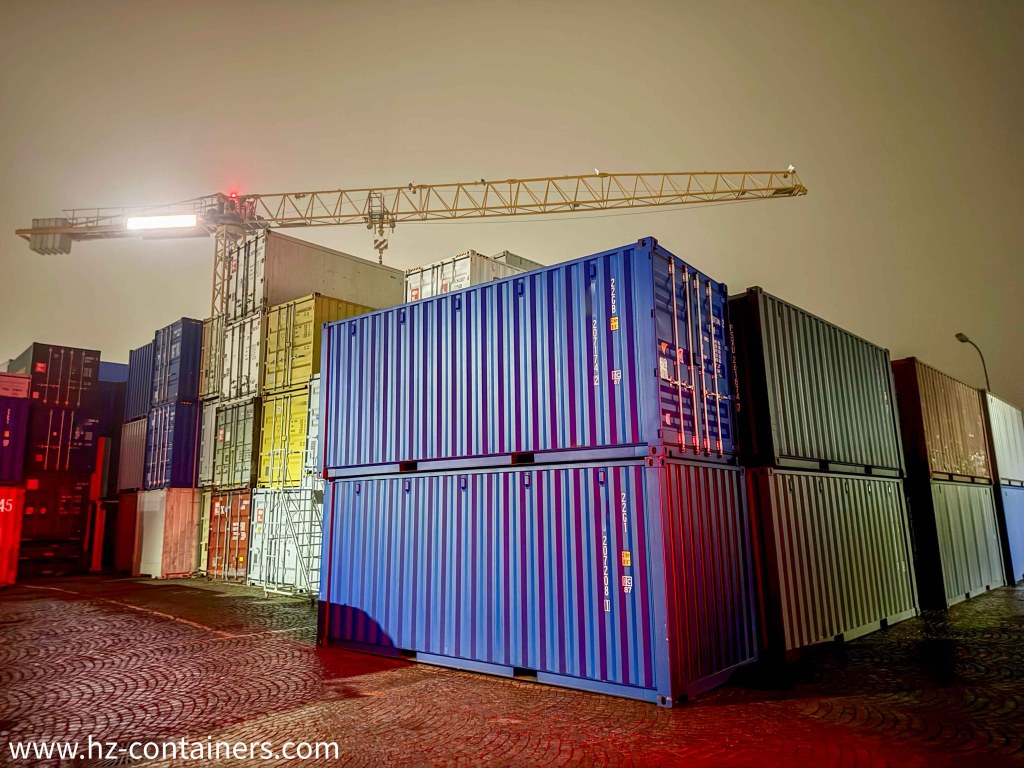
Shipping containers are standardized steel boxes designed for efficient cargo transportation. Their invention marked a significant milestone in logistics, enabling safe, high-volume, and cost-effective transportation across oceans, railways, and roads. The most common sizes are 20-foot and 40-foot containers, often measured in TEU (twenty-foot equivalent units).
Types of Containers:
- Dry containers (general purpose): These containers are airtight and water-resistant, used for transporting dry cargo, such as boxes, barrels, or bags.
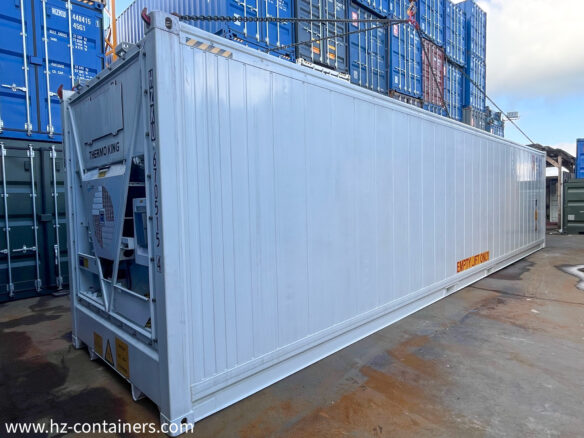
- Refrigerated containers (Reefer): Equipped with cooling units for transporting perishable goods, such as food and pharmaceutical products.
- Flat Rack containers: Ideal for oversized cargo, such as vehicles, machinery, and construction materials.
- Open Top containers: Designed for cargo that does not fit through container doors, such as tall machinery or heavy materials.
- High Cube containers: Taller than standard containers, providing additional storage space for bulky cargo.
What Drives Volatility in Container Shipping?
Volatility in container shipping arises from a complex combination of global and local factors. Here are the key causes:
1. Supply and Demand Dynamics
- Container shortage or surplus: Imbalances in container availability directly affect freight rates and operational efficiency.
- Seasonal peaks: Events such as the Christmas shopping season in the USA and Europe lead to increased demand and temporary supply chain disruptions.
- Economic recessions: Reduced consumer spending during economic slowdowns leads to lower demand and declining rates.
2. Geopolitical Challenges
- Trade wars: Tariffs and sanctions destabilize shipping routes, affecting costs and transit times.
- Conflicts and piracy: Regional conflicts near shipping routes, such as the Red Sea or the Strait of Hormuz, cause route diversions and increase insurance costs.
- Regulations: Environmental regulations, such as IMO 2020, increase costs due to requirements for cleaner fuels and ship modifications.
3. Operational Factors
- Port congestion: Overcrowded ports, strikes, or delays can disrupt schedules and increase costs.
- Fuel prices: Fuel accounts for more than 50%25 of operating costs, so oil price fluctuations have a direct impact on freight rates.
- Carrier alliances: Decisions by carriers to consolidate routes or limit capacity can create artificial shortages.
4. Global Disruptions
- Pandemics: COVID-19 caused a severe container shortage and increased shipping costs.
- Natural disasters: Hurricanes, typhoons, and earthquakes can temporarily halt shipping operations.
- E-commerce growth: Increased online shopping has increased demand for container shipping.
Impact of Volatility on the Shipping Industry
- Freight rates: Volatility often leads to sharp increases in rates, making it difficult for companies to predict logistics costs.
- Container shortage: Companies may face delays or higher costs due to insufficient container availability.
- Operational challenges: Carriers struggle to maintain profitability while managing fluctuating demand and rising costs.
- Global trade: Uncertainty in shipping costs affects inventory management, production schedules, and consumer prices.
Strategies to Mitigate Volatility
- Long-term contracts: Securing fixed rates with carriers to avoid spot market fluctuations.
- Diversification: Using multiple carriers and alternative shipping modes to reduce dependence on risky routes.
- Technology adoption: Implementing digital tools for shipment tracking, contract management, and market trend analysis.
- Collective alliances: Creating alliances with carriers to stabilize rates and optimize shipping routes.
- Reserve inventory: Maintaining reserve inventory to mitigate delays caused by disruptions.
The Role of Technology in Managing Volatility
Technological advances are increasingly being used to manage volatility in the shipping industry:
- Predictive analytics: Help forecast market trends and facilitate better decision-making.
- Real-time tracking: Provides complete visibility of cargo movement.
- Digital shipping platforms: Automate processes such as rate comparison, booking, and contract management.
Case Studies of Volatility
- COVID-19 Pandemic: During the pandemic, there was a sharp increase in shipping rates due to container shortages and increased e-commerce cargo transportation.
- Ever Given Crisis: The blockage of the Suez Canal disrupted global shipping routes, causing delays and financial losses.
Conclusion
Understanding the topic of “Volatility and Shipping Containers” is essential for navigating the complex and constantly changing environment of global shipping. By identifying key volatility factors and adopting strategic management tools, companies can mitigate risks and improve operational efficiency in container shipping. Technology, collaboration, and proactive planning remain critical elements for managing future challenges in this industry.

 Czech Republic, Třebíč
  WITHOUT SHIPPING