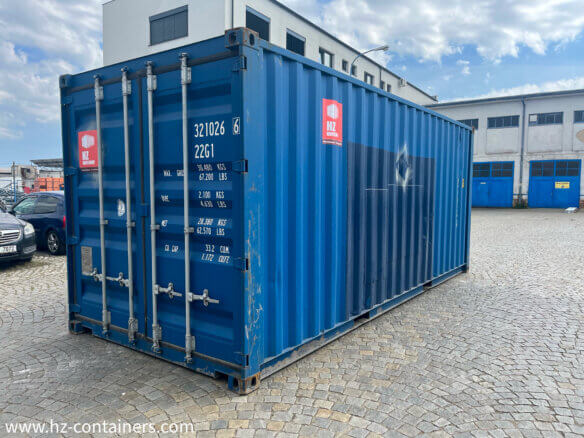
CTU Code – Code of Practice for Packing of Cargo Transport Units
CTU Code, officially called IMO/ILO/UNECE Code of Practice for Packing of Cargo Transport Units, is a global set of non-binding guidelines and best practices designed to ensure safe packing, securing, and transport of cargo in various types of transport units, including shipping containers, swap bodies, vehicles, and other cargo transport units (CTU). This code was jointly issued by the International Maritime Organization (IMO), the International Labour Organization (ILO), and the United Nations Economic Commission for Europe (UNECE). The CTU Code aims to minimize risks to people, property, and the environment by addressing improper packing and cargo securing practices.
CTU Code is a key resource for all major players in the global supply chain, including shippers, packing workers, freight forwarders, carriers, and recipients. Its guidelines support safety, prevent damage, and ensure efficiency in intermodal transport by road, rail, and sea.
Purpose and Significance of CTU Code
Why Was It Created?
Incidents during transport caused by poor packing and cargo securing practices have led to many injuries, environmental damage, and financial losses. The CTU Code was developed to address these issues by providing a standardized approach to packing cargo transport units. It serves as a bridge between different actors in the supply chain and ensures a consistent level of safety throughout the entire transport process.
CTU Code was also introduced to reduce risks such as:
- Cargo damage caused by poor alignment.
- Accidents resulting from inadequately secured cargo.
- Environmental risks caused by pest contamination or hazardous material leaks.
- Supply chain disruptions due to incorrect weight or cargo content declarations.
Key Benefits of Compliance
- Safety: Proper packing minimizes risks to cargo handlers, transport workers, and the public.
- Efficiency: Well-packed units reduce delays caused by damage, inspections, or rejection.
- Environmental Protection: Following prescribed procedures prevents pest contamination and hazardous substance leaks.
- Cost Savings: Avoids financial losses caused by cargo damage, accidents, and legal disputes.
- Accountability of Actors: Clear guidelines support accountability of all parties in the supply chain.
How CTU Code Works?
Basic Principles
CTU Code is divided into chapters and annexes that offer practical guidance for packing, securing, and handling cargo. It covers a range of topics, including:
- Load Distribution: Ensuring even weight distribution to prevent overloading or instability.
- Cargo Securing: Techniques for lashing, blocking, and bracing to prevent cargo movement.
- Packing Techniques: Best practices for arranging various types of goods, including fragile, hazardous, or irregular items.
- Verified Gross Mass (VGM): Accurate declaration of the total weight of packed CTU.
- Pest Prevention: Measures to prevent contamination by pests, plants, or soil.
- Responsibilities of Actors: Clear division of duties between shippers, packing workers, carriers, and recipients.
Key Concepts
1. Packing of Cargo Transport Units (CTU)
Packing is a critical phase in which cargo is placed into a container or transport unit. CTU Code emphasizes careful planning and execution to ensure cargo safety and unit readiness for transport.
Key procedures include:
- Separating incompatible goods (e.g., hazardous and non-hazardous materials).
- Using solid materials for blocking and bracing to prevent movement.
- Placing heavier items at the bottom to maintain a low center of gravity.
- Ensuring the CTU is clean, pest-free, and structurally intact before packing.
2. Load Distribution
Unevenly distributed loads can lead to accidents, particularly in maritime transport where vessels tilt and sway. CTU Code recommends:
- Balancing the load across the container floor.
- Maintaining the center of gravity within 5%25 of the container’s center.
- Using load-bearing beams for concentrated loads.
3. Cargo Securing
Cargo must be secured to prevent slipping, tipping, or falling during transport. Recommended methods include:
- Lashing with certified ropes, straps, or wires.
- Blocking cargo against container walls.
- Bracing items using wooden beams or metal supports.
4. Verified Gross Mass (VGM)
Accurate weight declaration ensures containers are not overloaded, which could compromise safety during stacking or transport. CTU Code emphasizes the importance of providing verified gross mass (VGM) before shipment.
5. Handling of Dangerous Goods
CTU Code provides additional guidance for safe packing of dangerous goods in compliance with international regulations, such as the IMDG Code. This includes proper labeling, documentation, and separation of hazardous materials.
Responsibilities of Actors
CTU Code defines the roles and responsibilities of all parties in the supply chain:
1. Shippers
- Selecting an appropriate CTU for the cargo.
- Providing accurate cargo description and weight declaration (including VGM).
- Ensuring cargo packaging complies with transport conditions.
2. Packing Workers
- Inspecting the CTU for damage or contamination before packing.
- Ensuring proper load distribution and cargo securing.
- Closing the CTU and accurately recording data.
3. Carriers
- Careful handling, unloading, and manipulation of CTU during transport.
- Ensuring CTU compatibility with the transport mode (e.g., road, rail, or sea).
4. Recipients
- Inspecting the CTU upon receipt and reporting damage.
- Cleaning and returning the unit in good condition after unpacking.
Best Practices for CTU Packing
To comply with CTU Code, packing workers should follow these best practices:
- Pre-inspection: Check the CTU for structural integrity, cleanliness, and pest contamination.
- Packing Plan: Create a detailed plan for cargo arrangement and securing.
- Securing: Use appropriate materials for fastening, blocking, and bracing goods.
- Weight Distribution: Evenly distribute the load to maintain balance.
- Labeling: Apply all necessary markings and labels for hazardous or fragile goods.
- Documentation: Provide accurate cargo descriptions, VGM, and other required documents.
Challenges and Common Mistakes
Despite its benefits, improper implementation of CTU Code remains an issue. Common mistakes include:
- Overloading containers beyond their maximum capacity.
- Inadequate cargo securing, leading to load shifting.
- Incorrect weight or content declaration of CTU.
- Neglecting pest prevention measures, causing contamination.
Information Materials and Tools
To support compliance, various organizations have developed resources based on CTU Code:
- CTU Code Quick Guide: An abbreviated version of the full code with practical tips and illustrations.
- Container Packing Checklist: A step-by-step list to ensure proper packing.
- Training Programs: Workshops and courses on cargo securing and CTU compliance.
CTU Code is an essential tool for improving safety, efficiency, and environmental sustainability in global logistics. By adopting best practices, all actors can contribute to a safer, more reliable supply chain while minimizing risks and costs.
For more information, consult the official CTU Code Quick Guide or resources from organizations such as the Cargo Integrity Group, IMO, and UNECE.
 Czech Republic, Třebíč
  FREE SHIPPING