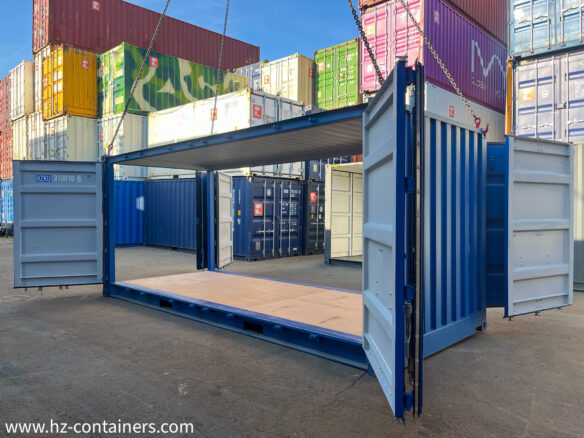
Container Depot
In the global logistics and transportation industry, the term Container Depot refers to specialized facilities designed for storage, maintenance, repairs, and management of containers used for goods transportation. It serves as a key node in the supply chain, ensuring that containers are available, functional, and ready for use in various phases of international and domestic trade.
Definition and Key Features
Container Depot is a secure facility providing storage and related services for shipping containers – both empty and, in some cases, loaded. These depots are strategically located near ports, railway hubs, or major transportation corridors to facilitate smooth movement of containers between various modes of transport, such as ships, trains, and trucks.
Key features of a container depot include:
- Storage: Secure spaces for storing empty or temporarily unused containers.
- Maintenance and Repairs: Facilities for cleaning, inspecting, and repairing damaged containers.
- Logistics Coordination: Efficient management of container movement in the supply chain.
- Customs and Documentation Services: Support with customs clearance and administrative procedures.
Functions of Container Depot
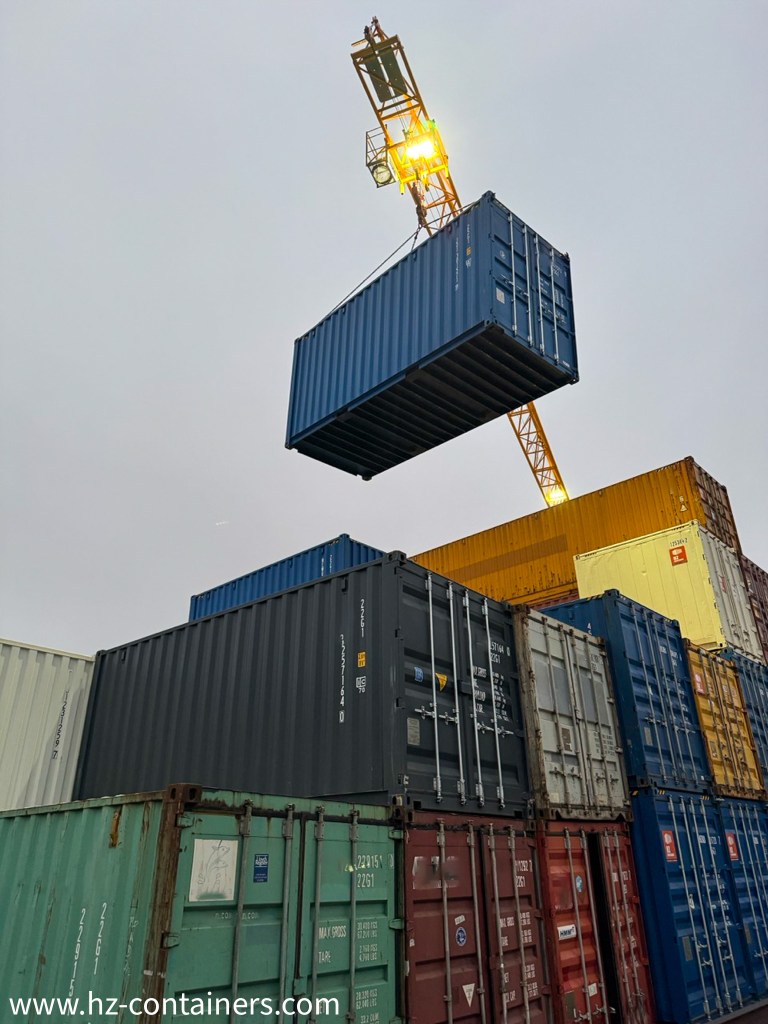
Container depots fulfill several essential roles in the transportation and logistics industry. Here is a detailed overview of their main functions:
1. Storage
- Empty Containers: After goods are delivered, empty containers are typically returned to the depot. These containers are stored until needed for further transportation.
- Temporary Storage: In some cases, depots hold containers with cargo before they are sent to their final destination.
- Inventory Management: Depots play a key role in optimizing the supply and demand for containers in various regions, thereby preventing shortages or surpluses.
2. Maintenance and Repairs
- Depots inspect containers for structural damage, leaks, or other issues. They ensure that containers meet international standards before further use.
- Maintenance includes cleaning, repainting, replacement of parts (such as doors, seals), and container renovation.
- Refrigerated containers (reefers) often require specialized service to ensure the functionality of cooling systems.
3. Cargo Consolidation
- At the depot, cargo from multiple shippers can be consolidated into a smaller number of containers (less than full container loads – LCL) for efficient transportation.
- Similarly, cargo from a full container (FCL) can be unloaded and distributed to various destinations.
4. Customs Clearance and Documentation
- Container depots often have customs offices that facilitate inspection and clearance of goods, simplifying international trade processes.
- Depots handle administrative tasks, such as container registration, loading/unloading documentation, and management of receipt and delivery records.
5. Container Repositioning
- One of the most important functions of a depot is repositioning empty containers to areas where they are needed, such as regions with high export demand. This prevents inefficiencies in the supply chain.
Types of Container Depots
There are several categories of container depots, each fulfilling specific roles in the supply chain:
1. Inland Container Depots (ICD)
Located outside ports and also known as “dry ports”. They enable movement of containers to and from inland areas, often in conjunction with rail or road transport. ICDs are particularly important in landlocked countries.
2. Port Container Depots
These depots are located near ports and handle most container-related activities, such as loading/unloading, storage, and repairs.
3. Specialized Depots
Some depots are equipped to handle specific types of containers, such as:
- Reefer Depots: For refrigerated containers.
- Out-of-Gauge (OOG) Depots: For oversized cargo.
Services Provided by Container Depot
A fully equipped container depot offers various services to shipping companies, logistics firms, and freight forwarders:
- Container Preparation: Cleaning, fumigation, and preparation for dry or liquid cargo.
- Repairs and Maintenance: Repair of physical damage, replacement of parts, and ensuring compliance with industry standards.
- Container Trading: Purchase and sale of used or renovated containers.
- Cargo Handling: Assistance with loading, unloading, and stacking containers.
- Customs Support: Support with customs inspections and clearance processes.
- Added Services: Refrigeration treatment, pest control, and Verified Gross Weight (VGM) certification.
Why Are Container Depots Important?
Container depots play a crucial role in the global supply chain by addressing key challenges in container management. Here is why they are indispensable:
1. Reducing Port Congestion
By providing storage and service facilities outside ports, depots help alleviate port congestion. This ensures smooth operations and reduces vessel delays.
2. Cost Savings
Efficient depot operations reduce demurrage charges at ports and improve container availability, helping companies save on logistics costs.
3. Operational Efficiency
Depots streamline container handling, repairs, and repositioning, ensuring that containers are always ready for use.
4. Environmental Impact
By optimizing container movement and reducing unnecessary transportation, depots contribute to reducing the carbon footprint in the supply chain.
Container Depot vs. Container Terminal vs. Container Yard
Although these terms are often used interchangeably, there are significant differences between them:
Container Terminal
- Located at ports.
- Handles transfer of containers between ships and other modes of transport (trucks, trains).
- Focuses on loading/unloading operations.
Container Yard (CY)
- A special zone within a terminal for short-term storage of containers awaiting transportation or pickup.
- Often limited to operational activities, such as stacking and retrieval.
Container Depot
- Usually located outside ports, but near major transportation hubs.
- Focused on long-term storage, maintenance, and repositioning of containers.
- Offers a wider range of services compared to terminals or yards.
Design and Layout of Container Depot
The design of a container depot is optimized for efficient container handling. Common elements include:
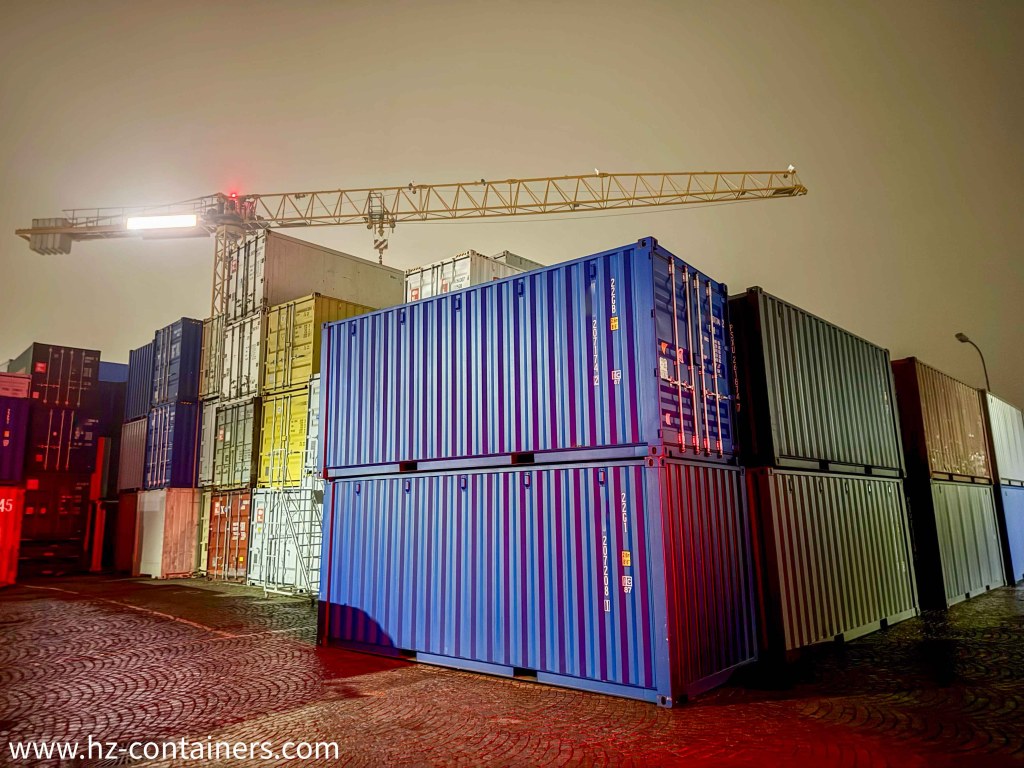
- Storage Zones: Stacks of containers organized by type, size, or owner.
- Repair Workshops: Facilities for cleaning, maintenance, and repairs.
- Office Spaces: Administrative offices for documentation and customs processing.
- Transportation Connections: Rail, road, or barge access for efficient container movement.
- Security Measures: High fences, cameras, and on-site security to prevent theft or tampering.
Frequently Asked Questions About Container Depots
Question: Are depots intended only for empty containers?
Yes, most depots primarily store empty containers, although some offer temporary storage of loaded containers.
Question: How do depots support logistics companies?
Depots provide essential services, such as maintenance, storage, and repositioning of containers, reducing costs and improving supply chain efficiency.
Question: Why are depots located near ports?
Proximity to ports reduces transportation time and costs and ensures quick access to containers for import/export operations.
Container depot is an indispensable part of modern logistics, providing essential services for efficient handling of shipping containers. By addressing challenges such as storage, maintenance, and repositioning, these facilities ensure smooth flow of goods within the global supply chain. Whether you are a shipping company, freight forwarder, or importer/exporter, partnering with a reliable container depot can significantly improve your logistics operations and reduce costs.

 Czech Republic, Třebíč
  WITHOUT SHIPPING