
What is the temperature in a shipping container?
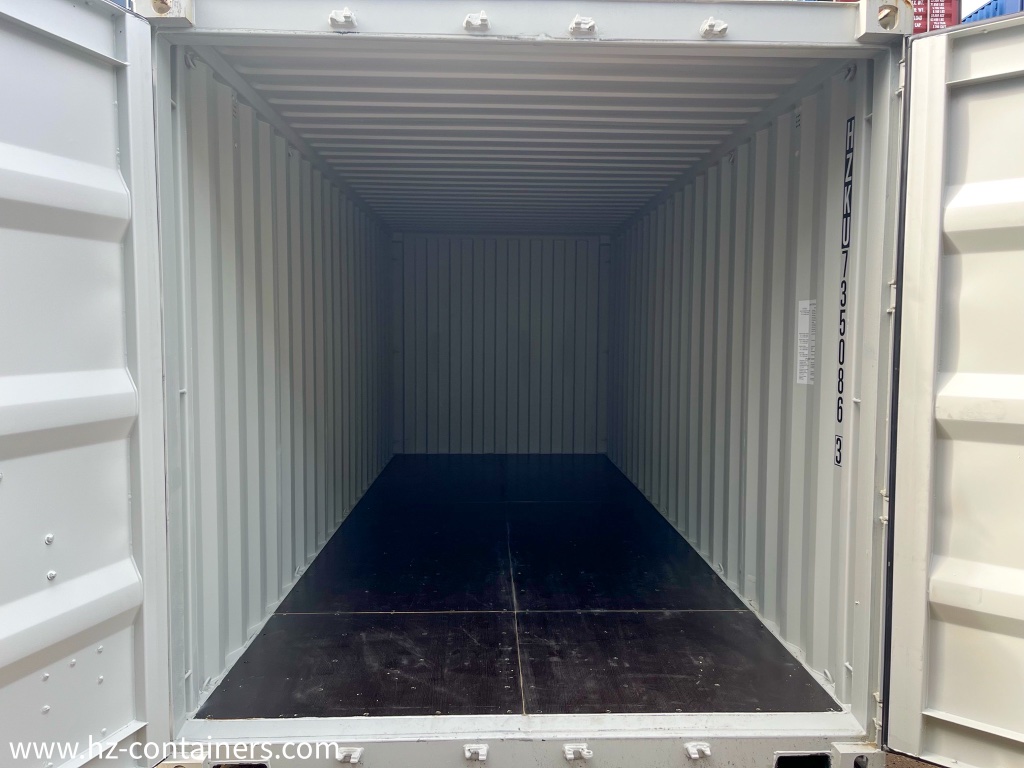
1. Temperature in a shipping container
The temperature inside a shipping container is the result of a combination of physical and environmental factors. The most significant factors include:
- Solar radiation and its intensity
- Type of container construction material
- Insulation properties and color
- Geographic location and climate conditions
In extreme cases, the temperature inside a container can rise to as high as 135 °F (57 °C) or drop below -21 °F (-29 °C). These temperatures can have a significant impact on the quality of transported goods.
2. Physical principles affecting temperature
2.1 Greenhouse effect
Shipping containers often function on the principle of the greenhouse effect. Solar radiation penetrates the metal construction and increases the internal temperature. The metal walls then accumulate heat, which leads to slow cooling during the night.
2.2 Heat transfer
Heat is transferred in a container in three ways:
- Conduction: Heat spreads through the metal walls.
- Radiation: The container surface absorbs solar radiation.
- Convection: Heat spreads through the air inside the container.
3. Factors affecting temperature fluctuations
3.1 Materials and construction
- COR-TEN steel: The most commonly used material, resistant to corrosion, but with high thermal conductivity.
- Thermal insulation: Insulated containers (e.g., refrigerated containers) can minimize heat transfer and stabilize internal temperature.
3.2 Container placement
- Top layer on the ship: Containers at the top of the stack are more exposed to solar radiation.
- Bottom layer: Provides natural protection from extreme temperatures.
3.3 Ambient temperature
Geographic conditions play a crucial role:
- In tropical regions, temperature can reach up to 70 °C.
- In polar regions, it can drop well below freezing.
4. Mitigation of temperature extremes
4.1 Insulation systems
The use of expanded polystyrene foam or other modern insulation materials can significantly reduce heat loss.
4.2 Ventilation
Ventilation contributes to maintaining stable temperature and minimizing humidity.
4.3 Innovative technology
- Refrigerated containers (reefers): Active cooling for sensitive goods.
- Reflective colors: Reduce heat absorption.
5. Conclusion
Understanding the temperature phenomena inside shipping containers is key to minimizing risks and protecting transported goods. Modern technologies, such as insulation systems and refrigerated containers, provide effective solutions for managing these challenges. For specific applications, it is advisable to conduct detailed analyses and simulations based on real data.

 Czech Republic
  WITHOUT SHIPPING

