
Tridoor container
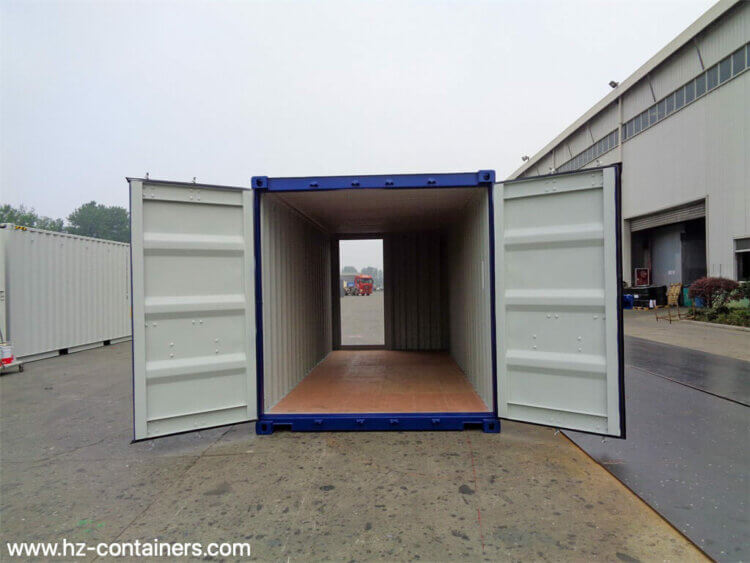
The Tridoor container is a unique variant that features three separate entrances or doors, allowing access to separate parts or sections of the container. Thanks to this construction, it is easy to organize and divide various materials, products, or goods. The Tridoor container is a special type of container with three separate entrances or doors. This construction allows the container to be divided into separate sections or parts, facilitating the organization and collection of various materials, products, or goods.
These storage containers with three entrances are often used in the fields of logistics, transportation, and storage, where it is crucial to separate and categorize different types of materials. Each entrance is equipped with its own door, ensuring easy access and handling of a specific part of the container without the need to open the entire space.
TRIDOOR CONTAINERS
One of the advantages of the Tridoor container is its flexibility, caused by three independent entrances that allow for easy loading and unloading. This structure allows for handling individual parts separately, facilitating quick distribution and access to the required materials.
Tridoor containers are commonly used in areas such as construction, agriculture, industry, and other sectors where it is essential to organize and separate materials. These containers contribute to reducing chaos, losses, and mix-ups when handling various materials, increasing efficiency and productivity throughout the entire process.
It is important to note that the characteristics and specifications of a specific container may vary depending on the manufacturer and the intended use.
Other container news...

New shipping containers
If you are currently considering purchasing a new shipping container, you are not alone. While just twenty years ago containers were used almost exclusively for maritime transport, today they have found their way into construction, storage, business, and even housing. This growing popularity brings with it a host of questions: Which type should you choose? How much does it cost? How do you recognize quality? How can you avoid falling victim to scammers?
New sea shipping containers
If you are currently considering purchasing a new shipping container, you are not alone. While just twenty years ago containers were used almost exclusively for maritime transport, today they have found their way into construction, storage, business, and even housing. This growing popularity brings with it a host of questions: Which type should you choose? How much does it cost? How do you recognize quality? How can you avoid falling victim to scammers?

6m shipping container
Are you thinking about buying a 6-meter shipping container but aren’t sure what to look for? You are not alone—this 20-foot container is the best-selling size on the Czech market, and the differences between various types, conditions, and prices can be significant. In this guide, you will find everything you need to know: from exact dimensions and a comparison of categories (such as “one-way,” refurbished, and “Cargo Worthy”) to current prices and shipping advice.
Corner casting steel vs aluminum
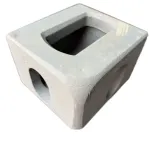
Every shipping container in the world — all 40 million of them — rests on eight critical components. Corner castings are the load-bearing blocks at each corner of an ISO shipping container, and they are the universal interface between the container and every crane, twistlock, spreader, and chassis on the planet. When you lift a container, stack it nine high on a ship, or lock it to a truck trailer, every ton of force flows through these fittings.