
New impetus for the transport industry
In recent days, there have been several significant developments in the container shipping industry that affect global markets and supply chains. The COVID-19 pandemic has fundamentally changed the way container shipping operates, and the industry continues to face a number of challenges in its aftermath.
Excess containers and capacity problems
After the pandemic, there was an increase in the number of unused containers, which led to storage problems. Many port warehouses are overcrowded and some companies have been forced to give containers away for free to make room for new goods. This situation has caused shipping companies to often choose to cancel sailings or skip certain ports to better manage demand and capacity.
Price increases and new carrier strategies
In response to these challenges, many shipping companies have decided to raise prices to compensate for rising operating costs. However, the sustainability of these higher prices is proving uncertain as many companies have not yet adjusted their capacities to match the new market conditions. This is forcing shipping companies to look for new strategies and to renew their services, especially in regions such as the Middle East and the Indian subcontinent.
Innovation and automation in transport
In Japan, an automated freight corridor between Tokyo and Osaka is planned to be launched, which could address the shortage of truck drivers while increasing transport efficiency. This initiative is part of a wider trend towards automation and digitalisation in the transport industry, which could help address current capacity and delivery time issues.
Impact on European ports
European ports, such as Port of Riga, are increasingly focusing on sustainability and green energy as part of their strategy for long-term growth. These initiatives include investments in zero-emission infrastructure to reduce the environmental impact of container transport and promote sustainable development.
New business lines and service expansion
Container lines are looking to expand their services by, for example, adding new routes between East Asia and upgraded terminals at ports such as Jaxport. These steps are key to staying competitive and adapting to changing market needs.
Outlook for the future
Although the current challenges in container transport are significant, the industry is constantly adapting and looking for innovative solutions. The introduction of new technologies and strategies could help overcome current obstacles and ensure stable growth in the future.
Other container news...
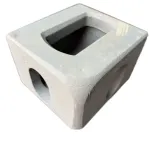
Corner casting steel vs aluminum
Every shipping container in the world — all 40 million of them — rests on eight critical components. Corner castings are the load-bearing blocks at each corner of an ISO shipping container, and they are the universal interface between the container and every crane, twistlock, spreader, and chassis on the planet. When you lift a container, stack it nine high on a ship, or lock it to a truck trailer, every ton of force flows through these fittings.

Construction cabin – selection, tips, dimensions and prices
Every construction project – whether a family house, a development project or a reconstruction – starts with the infrastructure. No construction manager, craftsman or investor who needs an on-site office, a changing room for workers or a safe storage for tools can do without a quality construction cell. But navigating the offer is not easy: residential containers, sanitary cells, storage modules, rental, purchase, refurbished pieces… This guide will give you answers to all the essential questions in one place.
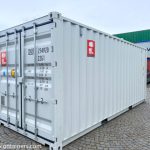
Storage container
A storage container is a lockable steel box designed for the safe and dry storage of materials, tools, goods or equipment. Originally created as a shipping container for maritime transport, its durability and versatility have found their way onto construction sites, corporate premises and private land.
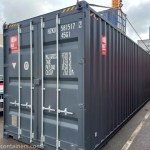
Shipping container 12m (40 ft)
A 12m shipping container is an investment that, if properly selected and cared for, will pay off in decades of trouble-free use. Whether you plan to use it as a warehouse, workshop, garage or the basis for a residential module — the key is careful selection of the condition, a thorough inspection before purchase and high-quality preparation of the base for placement. Take the time to compare offers, check the seller’s references and do not hesitate to personally inspect the container before buying. A properly selected 40-foot container will serve you reliably for many years.