
Load capacity of a shipping container
What is the load capacity of the shipping container?
Shipping containers play a key role in global trade and logistics. Their robust construction and standardised dimensions make them the ideal tool for transporting goods around the world. One of the most important parameters to consider when choosing a container is its load capacity. The load capacity determines how much weight the container can safely carry, which is crucial for efficient and safe handling of goods.
Basic types of shipping containers
There are several basic types of shipping containers on the market, differing in both size and load capacity. The most common are the 20ft and 40ft containers, each of which has its own specific application:
- 20 foot containers (20′ ISO): these containers measure approximately 6.1 metres in length, 2.44 metres in width and 2.59 metres in height. Their load capacity ranges from 21 800 kg to 28 000 kg. Their compact size and high load capacity make them ideal for transporting heavy materials and machinery.
- 40 foot containers (40′ ISO): these containers are 12.19 metres long, 2.44 metres wide and 2.59 metres high. The standard load capacity is 26,000 kg. The larger capacity makes them suitable for transporting bulkier goods such as appliances or automotive parts.
- 40ft High Capacity Containers (40’HC ISO): these containers have the same basic dimensions as the standard 40ft containers but are taller (2.89m high), increasing their internal volume. The load capacity remains at 26,000 kg. They are ideal for transporting lighter but bulkier loads.
Importance of container load capacity
Choosing the right container capacity is crucial for several reasons. First of all, it ensures that goods are transported safely and efficiently. Overloading a container can lead to damage to the goods, the container itself or even accidents during transport. The correct load capacity also optimises transport costs, as it allows the maximum use of the container’s capacity without the risk of overloading.
Factors affecting load capacity
The load capacity of a container is influenced by several factors, including the material from which the container is made, its construction and the conditions under which the transport takes place. Most standard containers are made of steel, which provides high strength and resistance to external influences. In addition, it is important to consider the method of loading and unloading, as improper handling can also affect the load capacity.
How to choose the right load capacity
When choosing a container, it is crucial to know the exact weight and volume of the goods to be transported. It is advisable to consult shipping experts or container suppliers who can advise on the optimal container selection for your specific needs. Using the right container with the appropriate load capacity not only protects the goods but also ensures that the entire logistics process runs smoothly.
How many pallets can I load into a shipping container?
Thinking about how many pallets you can fit in a shipping container? It is important to know the dimensions and capacity of the container so that you can plan logistics efficiently and optimise shipping costs. Shipping containers are used all over the world to transport a variety of goods and their capacity depends on the type and size of the container.
Standard dimensions and pallet types
Pallets are the basic handling unit in logistics. The most commonly used pallets are 1200 × 800 × 144 mm (EUR pallet) and 1200 × 1000 × 144/166 mm (US or UK pallet). These dimensions are not fully compatible with the internal width of standard shipping containers, which is 2350 mm. This means that two EUR or US pallets cannot be placed side by side in width without losing space.
Shipping containers and their capacity
There are several types of shipping containers that vary in length, height and capacity. The most common sizes are 20ft and 40ft containers.
20ft container
The 20ft container, often referred to as a ‘dry van’, has container internal dimensions of approximately 5,900mm length x 2,350mm width x 2,395mm height. This container can hold around 11 EUR pallets in a single tier. For efficient use of space, it is important to consider stacking pallets where the nature of the goods allows.
40ft container
The 40ft container has container internal dimensions of approximately 12 032mm length x 2 350mm width x 2 395mm height. This type of container is capable of holding up to 25 EUR pallets in a single layer. The larger volume makes it suitable for transporting larger quantities of goods or bulkier items.
Optimising pallet loading
When planning to load pallets into a container, it is important to consider several factors. In addition to the dimensions of the pallets and the container, the weight of the goods, the weight distribution and the stacking method must be taken into account. Efficient pallet arrangement can significantly reduce logistics costs and improve the safety of goods during transport.
Other container news...
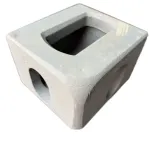
Corner casting steel vs aluminum
Every shipping container in the world — all 40 million of them — rests on eight critical components. Corner castings are the load-bearing blocks at each corner of an ISO shipping container, and they are the universal interface between the container and every crane, twistlock, spreader, and chassis on the planet. When you lift a container, stack it nine high on a ship, or lock it to a truck trailer, every ton of force flows through these fittings.

Construction cabin – selection, tips, dimensions and prices
Every construction project – whether a family house, a development project or a reconstruction – starts with the infrastructure. No construction manager, craftsman or investor who needs an on-site office, a changing room for workers or a safe storage for tools can do without a quality construction cell. But navigating the offer is not easy: residential containers, sanitary cells, storage modules, rental, purchase, refurbished pieces… This guide will give you answers to all the essential questions in one place.
Storage container
A storage container is a lockable steel box designed for the safe and dry storage of materials, tools, goods or equipment. Originally created as a shipping container for maritime transport, its durability and versatility have found their way onto construction sites, corporate premises and private land.
Shipping container 12m (40 ft)
A 12m shipping container is an investment that, if properly selected and cared for, will pay off in decades of trouble-free use. Whether you plan to use it as a warehouse, workshop, garage or the basis for a residential module — the key is careful selection of the condition, a thorough inspection before purchase and high-quality preparation of the base for placement. Take the time to compare offers, check the seller’s references and do not hesitate to personally inspect the container before buying. A properly selected 40-foot container will serve you reliably for many years.