
Fire in a Shipping Container in Enderby
“Fire in a shipping container in Enderby 2011” refers to the catastrophic fire and subsequent explosion that occurred at a log‑home manufacturing plant in Enderby, British Columbia, Canada, on 29 December 2011. The incident claimed the tragic death of volunteer firefighter Captain Daniel Joseph Botkin and injured another firefighter. The explosion, caused by the ignition of flammable materials inside a repurposed shipping container, became a key case study in fire safety, regulations, and risks associated with the use of shipping containers as storage units or temporary structures.
Summary of the Incident

Timeline of Events
- Initial fire: At 03:51 a.m. the fire brigade in Enderby responded to a fire that started in a modular trailer and spread to the manufacturing building where materials for log‑home construction were stored.
- Firefighter response: Fifteen firefighters, including Captain Daniel Botkin, arrived on scene to extinguish the fire. By 05:10 a.m. the main part of the fire was under control and extinguishing work began.
- Role of the shipping container: The shipping container located approximately 3–5 m from the fire contained chainsaws, a high‑pressure cleaner and a small amount of methyl‑hydrate (alcohol). This container became the centre of the subsequent explosion.
- Explosion: During the extinguishing operations a violent explosion of the container occurred, blowing its steel doors—each weighing about 113 kg—off. One of these doors struck Captain Botkin, killing him on site. Another firefighter suffered minor injuries. The force of the blast propelled the door an additional 43 m, where it collided with a crane.
Cause of the Explosion
Post‑fire investigation found that the explosion was caused by the evaporation and ignition of flammable substances—methyl‑hydrate and residual fuel in the chainsaws. Intense heat from the nearby fire increased the pressure inside the sealed container, leading to a slow detonation.
Why Is This Incident Significant?
Impact on Fire Safety
The Enderby incident shattered the notion that shipping containers are inherently safe and structurally robust. It highlighted the potential risk these containers pose when used for storage, especially of flammable or volatile materials.
Legacy of Captain Daniel Botkin
Captain Botkin, who had served as a firefighter since 2005 and as a training officer for the Enderby fire department, left a lasting legacy. His untimely death prompted major changes in fire‑safety protocols, training, and regulation of repurposed shipping containers.
Key Terms and Concepts
1. Shipping Container
A shipping container is a standardized steel structure designed for international cargo transport. While valued for durability and security, these containers present specific hazards when converted into storage units or temporary buildings without appropriate safety measures.
2. Explosion Dynamics
The Enderby blast was classified as a “slow detonation,” involving a gradual pressure build‑up inside a sealed container. The combination of heat, flammable vapours and inadequate ventilation created conditions for a catastrophic energy release.
3. Flammable Liquids
Substances such as methyl‑hydrate and gasoline are volatile and can evaporate at low temperatures. When confined in an enclosed space like a shipping container, their vapours can form explosive mixtures when heated.
4. Ventilation
Proper ventilation is essential to mitigate pressure build‑up in enclosed spaces. Standard shipping containers, which have only minimal ventilation openings, often lack sufficient airflow to prevent hazardous situations during fires.
Implications for Regulation and Safety
Recommendations from the British Columbia Fire Chiefs Association (FCABC)
- Regulation: Treat repurposed shipping containers as buildings and apply building and fire codes to them.
- Improved ventilation: Install pressure‑relief panels or larger ventilation openings to vent pressure.
- Storage restrictions: Limit the storage of flammable or hazardous materials in containers.
- Firefighter training: Incorporate shipping‑container safety into training programmes.
National Code Changes
The tragedy sparked discussions about updating Canadian national building and fire codes to recognise repurposed shipping containers as regulated structures with specific fire‑safety requirements.
Lessons Learned
1. Risk Awareness
Firefighters on site were unaware of the danger posed by the container. Training focused on identifying signs of container instability—such as leaking smoke or peeling paint—could prevent similar incidents.
2. Regulatory Gaps
The lack of specific regulations for storage and modification of shipping containers contributed to the risk. Comprehensive policies are needed to protect the public and emergency responders.
3. Technical Solutions
Modifications such as installing pressure‑relief panels and lightweight doors can significantly reduce risks associated with repurposed shipping containers.
Wider Context
Shipping Containers in Modern Use
Shipping containers are increasingly repurposed for:
- Storage: Tools, equipment and building materials.
- Temporary structures: Offices, first‑aid stations or accommodation.
- Residential and commercial spaces: Conversions into homes, cafés and retail units.
Although versatile, these containers present fire‑safety challenges that require proactive measures.
Other container news...

New shipping containers
If you are currently considering purchasing a new shipping container, you are not alone. While just twenty years ago containers were used almost exclusively for maritime transport, today they have found their way into construction, storage, business, and even housing. This growing popularity brings with it a host of questions: Which type should you choose? How much does it cost? How do you recognize quality? How can you avoid falling victim to scammers?
New sea shipping containers
If you are currently considering purchasing a new shipping container, you are not alone. While just twenty years ago containers were used almost exclusively for maritime transport, today they have found their way into construction, storage, business, and even housing. This growing popularity brings with it a host of questions: Which type should you choose? How much does it cost? How do you recognize quality? How can you avoid falling victim to scammers?

6m shipping container
Are you thinking about buying a 6-meter shipping container but aren’t sure what to look for? You are not alone—this 20-foot container is the best-selling size on the Czech market, and the differences between various types, conditions, and prices can be significant. In this guide, you will find everything you need to know: from exact dimensions and a comparison of categories (such as “one-way,” refurbished, and “Cargo Worthy”) to current prices and shipping advice.
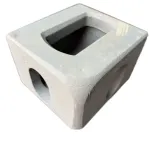
Corner casting steel vs aluminum
Every shipping container in the world — all 40 million of them — rests on eight critical components. Corner castings are the load-bearing blocks at each corner of an ISO shipping container, and they are the universal interface between the container and every crane, twistlock, spreader, and chassis on the planet. When you lift a container, stack it nine high on a ship, or lock it to a truck trailer, every ton of force flows through these fittings.