
Burying a Container Underground?
What is Burying a Container Underground?
“Burying a container underground”, that is, burying a steel shipping container, refers to the practice of placing a steel container underground for use as a storage facility, shelter, or other innovative application. While shipping containers are known for their robust construction and ability to be stacked for transport, burying them presents unique challenges that must be addressed to ensure structural integrity, safety, and functionality.
This practice is becoming increasingly popular in creating underground bunkers, root cellars, storm shelters, and even alternative living spaces. However, it requires careful planning, design, and modifications to manage the forces and environmental conditions that an underground structure must withstand.
Key Concepts and Terms in Burying a Container Underground
1. Structural Integrity
Shipping containers are designed for vertical stacking, with most of the load supported by their corner posts. When buried, lateral soil pressure can destabilize the structure and cause wall or roof collapse. Addressing structural integrity involves reinforcing the container with steel beams, gabion cages, or platforms that evenly distribute weight and prevent structural failure.
Factors such as the number of sea voyages a container has completed, excessive modifications, and improper stacking can affect its structural integrity. Used containers that have completed several voyages may exhibit dents or rust, which can compromise their safety. Additionally, modifications such as cutting walls or removing corner posts can significantly reduce the strength of the container.

2. Reinforcement of Shipping Containers
Reinforcement is the process of strengthening a container to withstand underground conditions. Methods include:
- Welding of steel supports: Adding steel beams (I-beams) to the roof and walls transfers soil weight to stronger corner posts.
- Gabion cages: Surrounding the container with steel cages filled with stones reduces direct contact with soil and pressure.
- Sandbags or drums filled with stones: Creating barriers around the container minimizes the risk of collapse caused by soil pressure.
- Concrete layers: Applying a reinforced concrete slab to the roof increases resistance and load-bearing capacity.
- Internal columns and beams: Using internal steel columns and cross-beams evenly distributes lateral forces.
3. Ventilation and Air Circulation
Buried containers need adequate ventilation to prevent moisture buildup, mold, and suffocation risk. Installing ventilation or filtration systems ensures fresh air circulation and prevents the buildup of harmful gases, such as carbon dioxide, or condensation inside the container. Ventilation systems are particularly important for containers used as residential or working spaces.
4. Rust and Corrosion Prevention
Shipping containers are typically made of Corten steel, which is corrosion-resistant but not immune. When buried, exposure to moisture and soil can accelerate rust formation. Applying protective coatings, such as protective layers on cargo vehicles, tar, or anti-corrosion paint, is essential for long-term durability. Additionally, it is important to install drainage systems around the container to prevent prolonged contact with water.
5. Proper Drainage
To prevent water accumulation around or inside a buried container, a drainage system is necessary. This system prevents water damage and reduces hydrostatic pressure that can compromise the walls and foundations of the container. Solutions include gravel-filled trenches, sump pumps, and drainage pipes that direct water away from the structure.
6. Burial Depth and Location
The depth to which a container is buried depends on its intended use. For example:
- With partial burial, the container remains partially visible, which facilitates access and ventilation.
- With complete burial, the container is entirely underground, requiring reinforcement and door modifications for access.
Uses of Buried Containers
Burying shipping containers serves various purposes, from practical storage to emergency preparedness. Main uses include:
1. Underground Storage
- Root cellars: Ideal for storing food, vegetables, and perishable products due to stable underground temperature.
- Valuables storage: Secure storage of tools, documents, and equipment protected from theft and environmental effects.
2. Storm Shelters
Buried containers can serve as protective shelters against extreme weather conditions, such as tornadoes, hurricanes, or heat waves.
3. Survival Bunkers
As emergency shelters, buried containers offer safe spaces during civil unrest, natural disasters, or nuclear threats. With modifications, such as installing Faraday cages, they can even protect occupants from electromagnetic pulses (EMP).
4. Alternative Living Spaces
With proper reinforcement and ventilation, containers can be converted into underground homes or eco-friendly living spaces.
Challenges of Burying a Container Underground

Although the concept of burying a shipping container seems simple, it presents several challenges:
1. Soil Pressure
Intense lateral soil pressure can cause deformation of container walls. Reinforcement techniques, such as welding steel beams or using gabion cages, are necessary to counteract this pressure.
2. Corrosion
The chemical composition of surrounding soil, particularly if it contains high salinity, can accelerate rust formation on the container. Using protective coatings and ensuring proper drainage helps mitigate this risk.
3. Ventilation and Air Quality
Poor ventilation can lead to the buildup of harmful gases, mold, and condensation. Installing filtration or ventilation systems is key to maintaining a safe and habitable environment.
4. Accessibility
The door opening mechanism of a container can be problematic if it is completely or partially buried. Solutions include leaving part of the container above ground, creating cutouts in the soil for doors, or installing customized access points, such as hatches.
5. Legal and Zoning Regulations
Before beginning burial, it is necessary to review local zoning laws and building codes. Some areas may require permits for underground construction, while others may have restrictions on burying containers.
How to Safely Bury a Shipping Container
- Planning and Site Selection
- Excavation
- Reinforcement
- Sealing and Insulation
- Ventilation and Drainage
- Access Modifications
Advantages and Disadvantages of Burying Containers
Advantages
- Cost-effectiveness
- Durability
- Adaptability
Disadvantages
- Reinforcement costs
- Ventilation challenges
- Legal restrictions
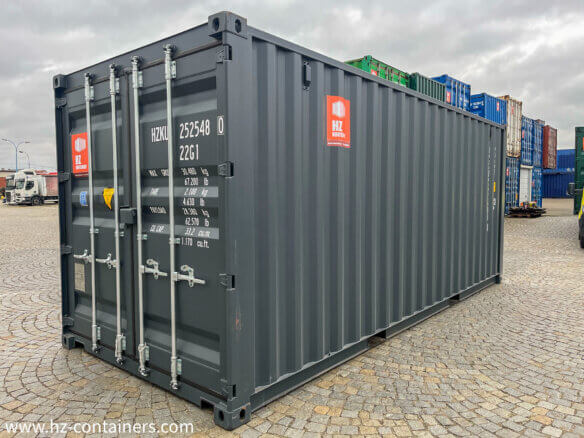
 Czech Republic, Třebíč
  FREE SHIPPING


Other container news...
Can You Modify a 40ft High Cube Container?
The short answer is yes — you absolutely can modify a 40ft high cube container, and it is one of the most popular container types for modification projects worldwide. But the real question is not whether you can modify one; it is how to do it correctly, safely, legally, and within budget. This guide answers every dimension of that question, drawing on engineering principles, real-world pricing data, and the collective experience of thousands of modified container projects.
Key Takeaway: A 40ft high cube container offers 320 square feet of floor space with an extra foot of ceiling height compared to a standard container — making it the ideal canvas for offices, workshops, homes, retail spaces, and industrial applications. The extra height is particularly valuable when you add insulation and still want comfortable headroom.

Cargo worthy container
If you have ever shopped for a used shipping container, you have almost certainly encountered the term cargo worthy — often abbreviated as CW or CWO (Cargo Worthy Only). It is one of the most important classifications in the container industry, yet it is also one of the most misunderstood. A cargo worthy container is not a container that looks new. It is not necessarily a container that has a valid CSC plate. And it is definitely not the same as a wind and watertight container. This guide explains what cargo worthy really means — from its technical definition and historical origins to the precise structural criteria, inspection process, cost implications, and common misconceptions that trip up even experienced buyers.

Shipping container home
A shipping container home is a residential dwelling constructed from one or more steel intermodal containers — the same standardized metal boxes that transport goods across oceans, railways, and highways. These containers, engineered from corrosion-resistant Corten steel and designed to withstand brutal maritime conditions, are repurposed into fully habitable living spaces through insulation, structural modifications, and the installation of all standard residential utilities. A shipping container home can range from a minimalist 160-square-foot studio built from a single 20-foot container to a sprawling multi-level compound combining dozens of 40-foot high-cube units.
Core Definition: A shipping container home is a code-compliant, habitable structure built from one or more steel intermodal shipping containers that have been insulated, structurally reinforced where modified, and fitted with windows, doors, plumbing, electrical systems, and interior finishes to function as a permanent or semi-permanent residence.
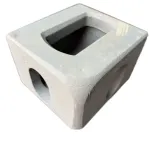
Corner casting steel vs aluminum
Every shipping container in the world — all 40 million of them — rests on eight critical components. Corner castings are the load-bearing blocks at each corner of an ISO shipping container, and they are the universal interface between the container and every crane, twistlock, spreader, and chassis on the planet. When you lift a container, stack it nine high on a ship, or lock it to a truck trailer, every ton of force flows through these fittings.