
Battery storage in a shipping container
What is a battery energy storage system in a shipping container?
The Container Energy Storage System, also known as Container Energy Storage System (CESS), refers to the innovative use of shipping containers to house large-scale energy storage solutions. These systems consist of high-capacity batteries that store electricity, whether generated from renewable sources (such as solar or wind power) or from traditional power grids, and release it as needed to meet energy demands.
Shipping containers serve as a robust, cost-effective and weatherproof solution. The modular and scalable nature of these systems makes them ideal for a variety of applications, including energy storage in remote areas, renewable energy integration, disaster relief and backup power for critical infrastructure.
By leveraging the structural robustness and portability of shipping containers, these systems provide safe and efficient energy storage while offering flexibility for deployment in a variety of environments.
Key elements of a battery energy storage system in a shipping container
1. Shipping container structure
The basis of the system is a standard ISO shipping container, usually 20 or 40 feet long. These containers are chosen for their durability, portability and ability to withstand harsh environmental conditions. Modifications are required to convert the container to a suitable environment for energy systems. Common modifications include:
- Insulation for internal temperature control.
- Ventilation systems to prevent overheating.
- Structural reinforcement to support heavy duty battery systems.
- Explosion-proof design to increase safety.
2. Battery technologies
The core of the system is battery technology. Different types of batteries are used, for example:
- Lithium-ion batteries: known for their high energy density, efficiency and long life.
- Lithium iron phosphate (LiFePO4): a safer and more thermally stable variant of lithium ion batteries.
- Flow batteries: suitable for high-capacity energy storage due to long discharge times.
- Lead-acid batteries: a traditional, cost-effective option, but less efficient.
- Solid state batteries: an emerging technology with higher energy density and improved safety.
3. Battery Management System (BMS)
The BMS acts as the brain of the system and ensures its optimal operation and safety. Its functions include:
- Battery status monitoring (temperature, voltage level and state of charge).
- Control of charge and discharge cycles.
- Prevention of safety hazards such as overcharging, deep discharge and overheating.
4. Power Conversion System (PCS)
PCS plays a key role in converting stored energy in the form of direct current (DC) to alternating current (AC), which is used in most electrical systems. It ensures that the output energy matches the voltage and frequency requirements of the grid or end use.
5. Refrigeration and HVAC systems
Thermal management is key to the safety and efficiency of battery systems. To maintain optimum temperatures inside the container, the systems are equipped with:
- Cooling mechanisms to prevent overheating.
- Heating, Ventilation and Air Conditioning (HVAC) units to maintain constant indoor temperatures.
6. Fire-fighting systems and safety features
Due to the risks associated with energy storage in batteries (e.g. thermal leakage), safety systems are designed to minimise fire risks. Key safety features include:
- Advanced firefighting mechanisms.
- Explosion-proof designs.
- Early warning security alarms.
7. Monitoring and control systems
Modern containerised energy systems often include remote monitoring and control features that allow operators to:
- Monitor energy flows and battery performance in real time.
- Perform predictive maintenance based on diagnostic data.
- Ensure efficient use of stored energy.
Application of battery energy storage in shipping containers
1. Integration of renewable energy sources
Containerised energy storage systems play a key role in renewable energy systems. For example:
- Excess energy generated by solar panels during the day can be stored and used at night.
- Fluctuations in wind energy can be compensated for by storing excess energy during wind seasons.
2. Off-grid energy storage
In remote areas or off-grid applications, these systems provide reliable electricity. Examples include:
- Rural electrification projects.
- Mining operations in isolated locations.
- Energy solutions for isolated communities.
3. Backup power for critical infrastructure
Hospitals, data centers and other critical facilities benefit from containerized energy storage systems by providing uninterruptible power during outages. These systems can also act as a rotating reserve, stabilizing the grid during crises.
4. Network support
Battery systems in containers contribute to grid stability by:
- Provision of services such as frequency regulation and peak balancing.
- Reducing dependence on fossil energy sources, which supports a cleaner energy grid.
5. Disaster relief and military operations
Thanks to their portability and rapid deployment, container systems are ideal for:
- Disaster affected areas in need of mobile energy solutions.
- Military operations requiring temporary but reliable power sources.
6. Charging stations for electric vehicles (EVs)
With the increasing adoption of electric vehicles, container systems serve as a scalable and portable solution for EV charging hubs, especially in areas without grid infrastructure.
The benefits of storing energy in batteries in shipping containers
- Modularity and scalability:
- Multiple containers can be connected to meet higher energy requirements.
- Portability:
- Containers can be transported and deployed quickly, making them ideal for temporary or remote use.
- Cost-effectiveness:
- Recycling and reusing shipping containers reduces construction costs.
- Resistance:
- The containers are designed to withstand extreme weather conditions and provide long-term protection.
- Quick Deployment:
- Pre-configured plug-and-play systems enable fast commissioning.
- Environmental sustainability:
- They promote renewable energy sources and reduce dependence on fossil fuels.
Challenges and considerations
- Thermal management:
- Extreme temperatures can affect battery performance. Proper cooling and insulation are essential.
- Security risks:
- Lithium-ion batteries pose a risk of fire and thermal leakage. Advanced safety systems are essential.
- Regulatory requirements:
- Different regions apply different safety and environmental standards.
- Cost:
- The initial investment in quality batteries and control systems can be high.
Innovations in containerised energy storage
- Fixed batteries:
- They offer higher energy density, faster charging and improved safety.
- Intelligent Energy Management Systems:
- Using AI and IoT for real-time predictive maintenance and optimization.
- Eco-friendly batteries:
- Development of sodium-ion and other sustainable battery technologies.
- Renewable Energy Integration:
- Advanced systems integrate seamlessly with solar, wind and other renewable energy sources.
Future trends
- Urban use:
- Container systems will support renewable energy initiatives in cities transitioning to carbon neutrality.
- Integration into microgrids:
- These systems will play a key role in decentralised energy storage for microgrids.
- Extended use in electromobility:
- Support for fast-charging networks for electric vehicles.
 Czech Republic
  WITHOUT SHIPPING







Other container news...
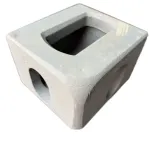
Corner casting steel vs aluminum
Every shipping container in the world — all 40 million of them — rests on eight critical components. Corner castings are the load-bearing blocks at each corner of an ISO shipping container, and they are the universal interface between the container and every crane, twistlock, spreader, and chassis on the planet. When you lift a container, stack it nine high on a ship, or lock it to a truck trailer, every ton of force flows through these fittings.

Construction cabin – selection, tips, dimensions and prices
Every construction project – whether a family house, a development project or a reconstruction – starts with the infrastructure. No construction manager, craftsman or investor who needs an on-site office, a changing room for workers or a safe storage for tools can do without a quality construction cell. But navigating the offer is not easy: residential containers, sanitary cells, storage modules, rental, purchase, refurbished pieces… This guide will give you answers to all the essential questions in one place.
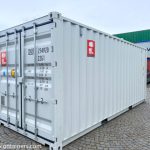
Storage container
A storage container is a lockable steel box designed for the safe and dry storage of materials, tools, goods or equipment. Originally created as a shipping container for maritime transport, its durability and versatility have found their way onto construction sites, corporate premises and private land.
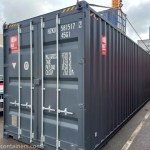
Shipping container 12m (40 ft)
A 12m shipping container is an investment that, if properly selected and cared for, will pay off in decades of trouble-free use. Whether you plan to use it as a warehouse, workshop, garage or the basis for a residential module — the key is careful selection of the condition, a thorough inspection before purchase and high-quality preparation of the base for placement. Take the time to compare offers, check the seller’s references and do not hesitate to personally inspect the container before buying. A properly selected 40-foot container will serve you reliably for many years.