
Artificial intelligence is revolutionizing container shipping
In recent days, there have been reports of significant innovations in maritime transport that combine advanced technologies aimed at reducing carbon footprints and streamlining global cargo transport. One of these breakthroughs is the new decarbonization containers, which can convert up to 78% of maritime emissions into limestone, significantly reducing the environmental impact associated with shipping.
This technology, part of a broader transition to more sustainable transportation methods, was recently introduced and is already being discussed for its potential impact on global logistics. Decarbonization containers are designed to integrate artificial intelligence to optimize their functions and are expected to contribute to achieving ambitious climate neutrality goals in the shipping industry.
In addition to the containers themselves, AI is increasingly used to optimize shipping routes. As a recent article on the oPojištění portal states, shipping already benefits from the automation and standardization of processes, which is crucial for efficient transportation. Placing containers on ships is a complex task that requires sophisticated computer programs to ensure that containers are correctly arranged according to destination and cargo type.
A significant factor in shipping is also slowing down ships, which brings fuel savings of between 10 and 25%. This step, introduced in response to economic crises, has proven to be an effective way to reduce costs and emissions.
In the last 48 hours, several significant developments have emerged in maritime transport concerning the use of artificial intelligence (AI) to optimize routes and improve safety. Artificial intelligence plays a key role in transforming the shipping industry, which is responsible for transporting more than 90% of global trade. AI is revolutionizing how ships operate, enabling cost reductions, minimizing human errors, and increasing efficiency and sustainability.
One of the main benefits of AI is its ability to predict crisis situations and optimize logistical operations. Companies are increasingly recognizing the value of machine learning and AI, leading to greater efficiency and cost reduction. This technology enables autonomous navigation of ships, which is particularly important for large shipping companies and navies considering deploying autonomous vessels.
The Dutch maritime research institute MARIN has launched the AI Sail project, which explores the potential use of machine learning in the maritime industry. The project simulates how AI can learn to sail like a human, demonstrating potential future applications in maritime transport.
Another development is the successful use of the AI navigator by the Israeli company Orca on the autonomous container ship Suzaka. This technology allowed the vessel to undertake a long journey without a human crew, opening up new possibilities for safety and efficiency in maritime transport.
Overall, AI is bringing revolutionary changes to the shipping industry, leading to more efficient, safer, and more sustainable maritime transport. This technology is becoming an indispensable part of the modern shipping industry, striving to keep pace with the growing demands of global trade.
Other container news...
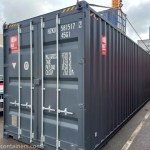
Shipping container 12m (40 ft)
A 12m shipping container is an investment that, if properly selected and cared for, will pay off in decades of trouble-free use. Whether you plan to use it as a warehouse, workshop, garage or the basis for a residential module — the key is careful selection of the condition, a thorough inspection before purchase and high-quality preparation of the base for placement. Take the time to compare offers, check the seller’s references and do not hesitate to personally inspect the container before buying. A properly selected 40-foot container will serve you reliably for many years.
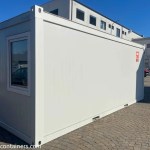
Construction container
A construction container is an investment in safety, order and comfort — whether it is protecting tools from thieves or providing a dignified environment for workers. There are three key decisions: type (storage, residential, sanitary, rubble), form of acquisition (rent vs. purchase) and legislative provision (occupation, building code).
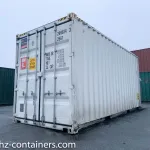
Used shipping container marketplace – prices, condition, transport and how to avoid scams
Buying a shipping container from a second-hand store doesn’t have to be risky if you know what to look for. Always check the seller, compare prices including VAT and shipping, and if possible, arrange a personal inspection. A suspiciously low price is the most common warning sign – a quality used shipping container at a fair price is worth much more than the cheapest option, which can cost you extra money and nerves.
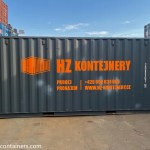
Rental of shipping containers
Do you need a quick and reliable solution for storing materials, tools or goods, but you don’t want to invest hundreds of thousands in buying your own container? Renting shipping containers is one of the most effective solutions for companies and individuals today – whether you are dealing with seasonal storage, arranging facilities on a construction site, or looking for temporary space when moving. This guide will give you a complete overview: from prices and types of containers to rental conditions and a comparison of verified providers. After reading it, you will know exactly which container to choose, how much you will pay for it and what to look out for when renting.