
Reefer Shipping Container
Refrigerated shipping containers, commonly known as reefer containers, are specially designed solutions for transporting temperature-sensitive goods worldwide. They are essential for the logistics industry because they maintain a consistent internal climate, which is crucial for protecting perishable goods such as food, pharmaceuticals, and chemicals. This detailed glossary clarifies the complex properties, operating principles, and various applications of reefer containers in the field of logistics.
Reefer containers have evolved significantly since their inception, with modern units capable of maintaining temperatures ranging from freezing -85°F (-65°C) to comfortable 104°F (40°C). This extensive range is key to keeping various types of goods – from fresh produce to pharmaceuticals – in optimal condition during transport.
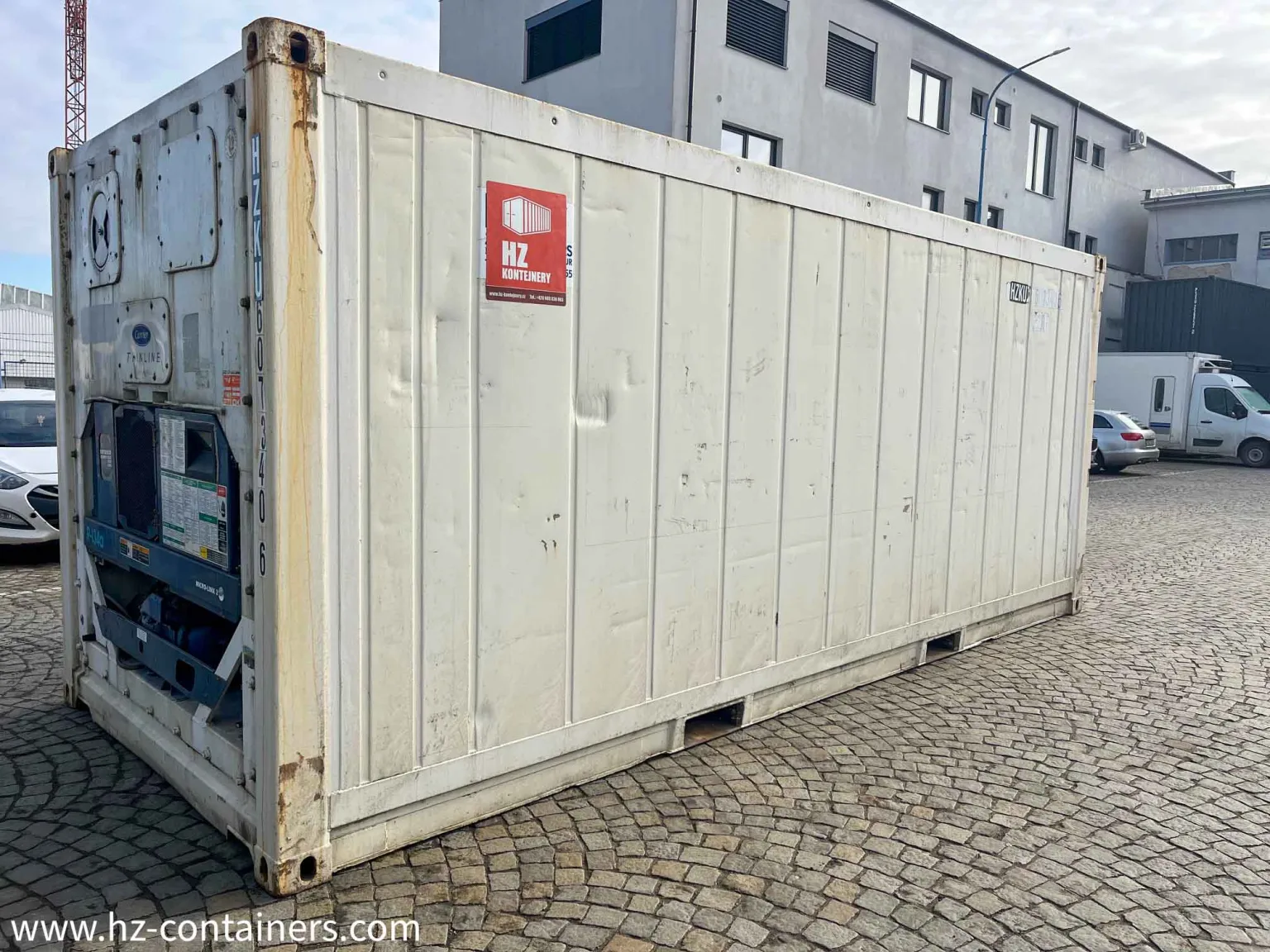
What is a Reefer Shipping Container?
A reefer container is essentially a highly insulated, large container integrated with refrigeration equipment. Its primary use lies in maintaining a regulated temperature environment for sensitive cargo, which is an essential part of today’s global supply chain. These containers are capable of maintaining temperatures in the range of -30°C to +30°C according to cargo requirements. They first appeared in 1925 for ice cream transport and have since become an integral part of logistics for temperature-sensitive products.
Key Features of Reefer Containers
- Refrigeration Unit: Essential for container operation, this unit pushes cold air into the enclosed space, powered by external sources such as ship power systems, generators, or port electrical grids.
- Temperature Control: Operators use control units to set and monitor desired temperatures, which stabilizes the internal climate of the container during the transport journey.
- Ventilation: Critical for goods such as fruit that release ethylene gases, the ventilation system controls air exchange to maintain suitable internal conditions.
- Humidity Control: Equipped with dehumidification systems, these containers regulate humidity levels – which is essential for transporting sensitive goods such as electronics.
- Insulation: High-quality insulation materials minimize heat exchange with the external environment, thereby effectively maintaining set internal temperatures.
- Data Recording: Modern reefer containers include data recording features, providing real-time temperature and humidity monitoring. This capability is crucial for compliance with strict safety and quality standards during transport.
How Does a Reefer Container Work?
The primary function of a reefer container is to maintain a stable internal environment through a well-coordinated cooling cycle:
- Air Circulation: The refrigeration unit removes warm air inside the container, cools it, and recirculates it to ensure uniform temperature throughout the cargo.
- Pre-cooling: It is common practice to pre-cool cargo to the desired temperature before loading, as reefer containers are designed more for maintaining temperature than for initial cooling.
- Power Supply: During transport, reefer containers rely on power sources such as ship electrical grids or generators for road transport to keep the refrigeration unit operating and maintain cargo integrity.
- Fresh Air Exchange: Essential for certain types of perishable goods, valves allow gas exchange, such as CO2, to prevent spoilage.
- Humidity and Temperature Monitoring: Continuous monitoring and recording systems ensure control over any deviation from preset parameters.
Components of a Reefer Container
Reefer containers are composed of several key components to ensure efficient temperature-controlled transport:
- Refrigeration Unit: Consisting of a compressor, condenser, evaporator, and fans for temperature regulation and air flow control.
- Control Unit: Controls temperature settings, humidity, and ventilation.
- Fresh Air Valve: Controls the supply and removal of fresh air to stabilize the internal atmosphere.
- Evaporator and Condenser: Essential for the cooling cycle, they oversee heat exchange.
- Voltage Transformers: Enable adaptation to various power sources for smooth reefer container operation.
Uses of Reefer Containers
Reefer containers serve a range of industries dependent on transporting perishable or temperature-sensitive goods, including:
- Food and Beverages: Ensure optimal transport of fresh produce, dairy products, meat, seafood, and temperature-adjusted beverages.
- Pharmaceuticals: Protect the transport of temperature-sensitive medicines and vaccines.
- Chemicals: Maintain temperature-sensitive chemicals, prevent dangerous reactions through strict climate control.
- Flowers and Botanical Products: Provide necessary environmental controls for sensitive flower and botanical shipments.
Advantages of Reefer Containers
Many advantages of reefer containers highlight their superiority for transporting sensitive cargo:
- Temperature Stability: Ensures a consistent environment crucial for preserving the quality of perishable goods.
- Versatility: Adaptable for maritime, rail, and road transport, which increases logistical flexibility.
- Cost Effectiveness: Reduces the need for specialized refrigerated trucks or ships, representing an economical alternative.
- Global Reach: Supports international trade by delivering products in optimal condition worldwide.
Challenges and Considerations
Despite the advantages, the use of reefer containers presents certain challenges:
- High Operating Costs: Continuous power supply and maintenance increase operating costs.
- Limited Availability: High demand can lead to availability issues, particularly during peak shipping periods.
- Complex Handling: Precise handling and continuous monitoring are necessary to prevent temperature deviations.
Reefer containers form a key backbone of modern logistics by enabling the safe global movement of temperature-sensitive products. Their sophisticated technology enables the precise environmental conditions needed for perishable and sensitive goods to arrive at their destination in optimal condition. As consumer demand for freshness and quality increases, the key role of reefer containers in logistics will continue to grow, leading to innovations and efficiency in supply chain management.

 Slovakia, Žilina
 WITHOUT DELIVERY


